Cast iron knife gate valve for pump isolation, grit and sludge
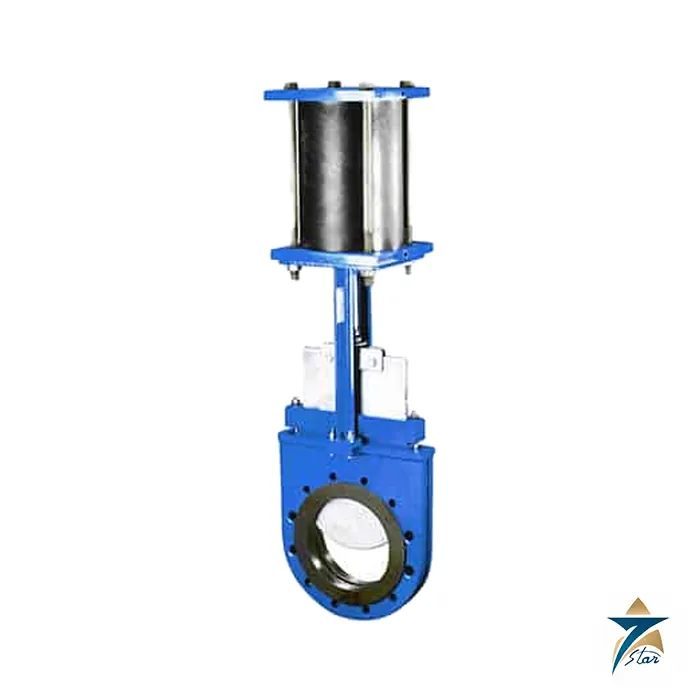
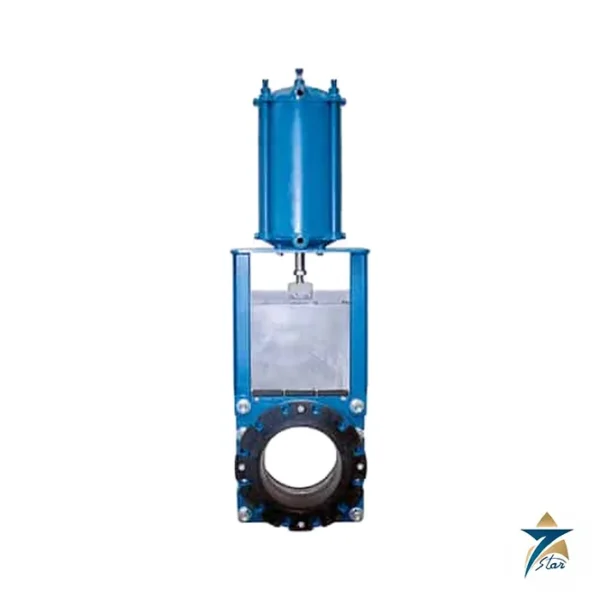
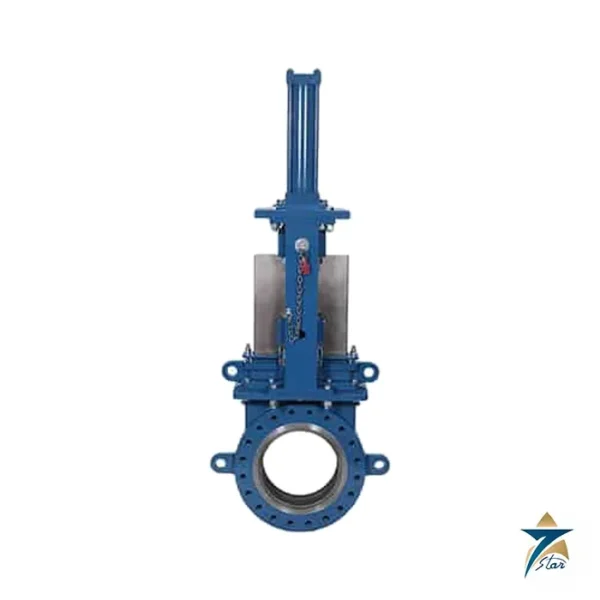
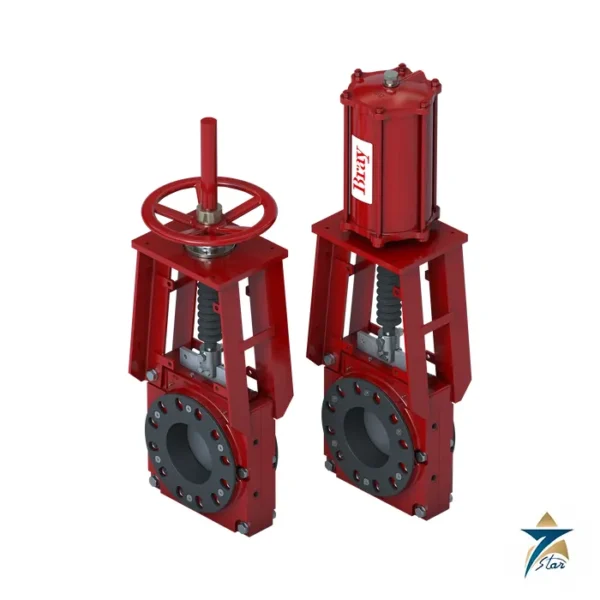
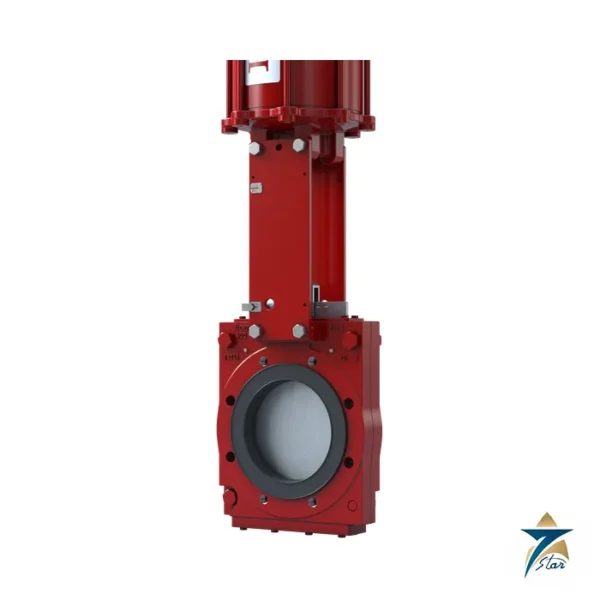
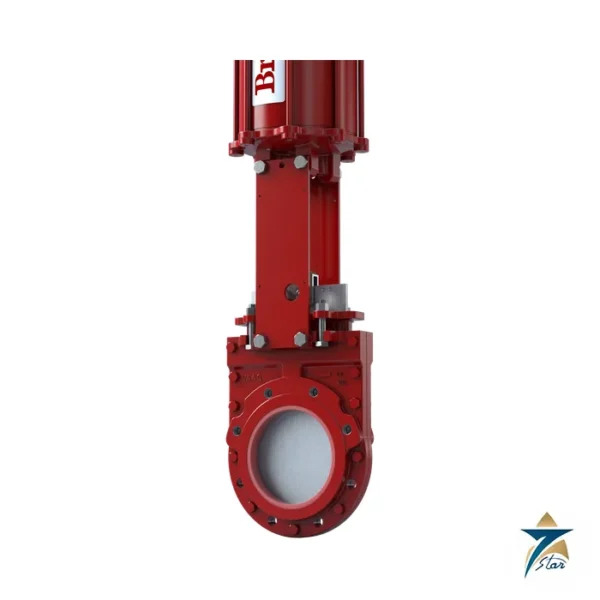
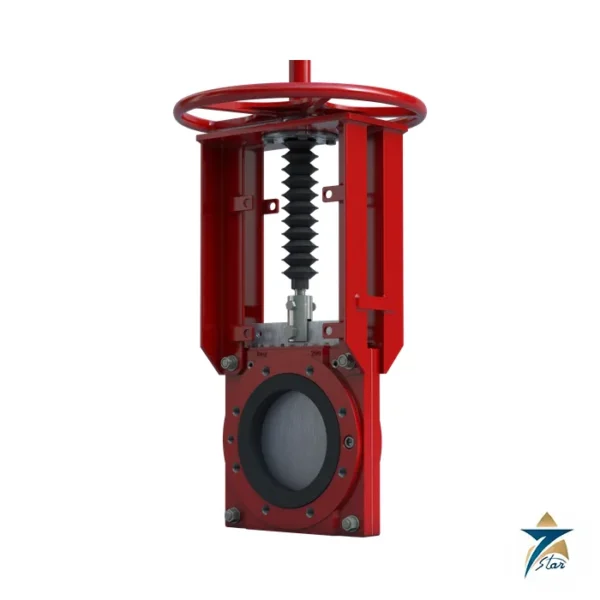
The DeZURIK KGI is an iron knife gate valve for on-off and isolation service in water and wastewater plants. A heavy-duty stainless steel gate passes through two cartridge-style, metal-reinforced elastomer seats that provide a compression interference fit and a drop-tight seal in both flow directions.
The bulletin names pump isolation, grit and sludge as typical duties. In the open position the full port leaves no obstruction, so abrasive wear stays low, and the gate cleans itself as the valve is cycled. A flush port at the base of the valve allows the cavity to be rinsed.
KGI technical specification
| Parameter |
Specification |
| Valve style code |
KGI, iron knife gate valve |
| Sizes |
3 to 24 in (80 to 600 mm), 100 percent full port |
| Working pressure, 3 to 10 in |
150 psi (1030 kPa) CWP |
| Working pressure, 12 to 24 in |
100 psi (690 kPa) CWP |
| Body and top works |
Cast iron with a two-part epoxy coating as standard |
| Gate |
316 stainless steel, code S2 |
| Seat materials |
EPDM, NBR, CR (chloroprene) or FKM, in removable metal-reinforced cartridges |
| Packing |
Square braided PTFE in an inverted packing box |
| End connection |
Flanged, ASME Class 150 (code F1) |
| Face-to-face |
3 in 57 mm; 6 in 60 mm; 10 in 80 mm (3.13 in); 24 in 121 mm (4.75 in) |
| Gate thickness |
6 mm on 3 and 4 in; 13 mm on 6 to 12 in; up to 25 mm on 24 in |
| Actuators |
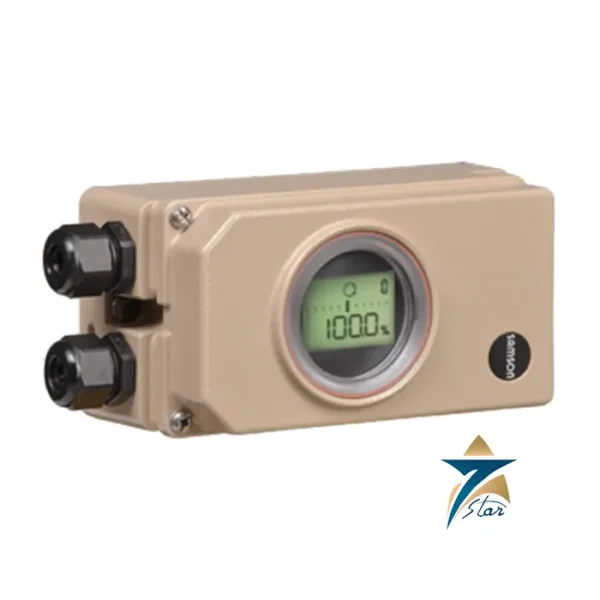
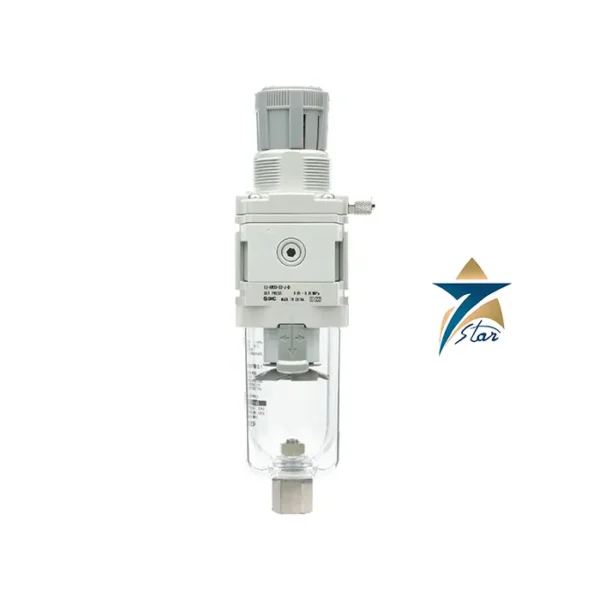
Handwheel, chainwheel, bevel gear, pneumatic, electric or hydraulic; limit switches, solenoids and air filter regulators as accessories |
Maintenance by design
Only two parts need replacing in normal service, the packing and the cartridge seats. The seats are replaced without dismantling the valve: unbolt it from the line, remove the old cartridges and insert the new ones. The packing sits in an inverted packing box that does not have to be removed from the body, and the top works, gate and packing box can be lifted out while the valve stays in the line.
A grease fitting lubricates the stem, and the heavy-duty top works is standard. The simple design is intended to avoid overhauls, unscheduled shutdowns and expensive replacement parts, and the elastomer choice is made for abrasion resistance and chemical compatibility.
The dimension tables give face-to-face length, handwheel actuator height closed and open, pneumatic actuator height, gate thickness and maximum working pressure for every size. For 18 in and smaller valves the installed length is 0.12 in less than the minimum face-to-face length, and for 20 in and larger it is 0.25 in less, which matters when the valve replaces a spool piece between flanges.
Ordering and the AIS option
The order code lists style, size, end connection, body material, packing, gate and seat, followed by the option and actuator. The printed example is KGI,6,F1,CI,T,S2-EPDM,AIS*actuator, meaning a 6 in KGI with Class 150 flanges, cast iron body, braided PTFE packing, 316 gate and EPDM seats.
The AIS option marks conformity with the American Iron and Steel provisions in US appropriations acts for water projects, and DeZURIK issues a certification letter for it. Outside projects that require that documentation, the option is usually not needed; state clearly whether it applies when ordering.
DeZURIK describes a network of US-based suppliers of compliant castings and components behind this option, and a letter that meets EPA documentation requirements accompanies the order. The standard KGI is otherwise the same valve: Class 150 flanges, iron body and full-port cartridge seats.
Selection checklist before ordering
This checklist is general engineering practice rather than text from the bulletin. First confirm the maximum shut-off pressure the valve will see, including pump head at no flow, against the 150 psi or 100 psi rating of the size you need. Second, identify the medium: grit and sludge are abrasive, so the full-port, self-cleaning gate suits them, but chemicals or hot fluids may call for FKM or another seat compound.
Third, decide how the valve will be operated. A handwheel suits infrequent isolation, whereas pneumatic, electric or hydraulic cylinders suit remote or frequent cycling, and each adds height above the pipe, which the dimension table lets you check against the available headroom. Finally, state the flange standard, because this valve is offered with ASME Class 150 drilling.
Applications, related products and documents
As general engineering context, iron knife gate valves suit sewage, effluent and raw water lines at low pressure. Always confirm that the working pressure of 100 or 150 psi covers the pump shut-off head. Check the elastomer against the fluid.
Further products are listed in the Knife Gate & Slurry Valves category. The attached bulletin 27.00-1 (11/2025) has dimension tables for handwheel and pneumatic versions; send size, seat and actuator type with your request to Seven Star LLC.
Using the KGI in Oman and the GCC
Iron knife gate valves are widely used in the region’s sewage treatment plants, sewage pumping stations and treated effluent networks, for pump isolation, grit removal, sludge lines and digester feed. The full port and self-cleaning gate suit wastewater with rags, grit and solids, which can block other valve types. The flush port is helpful where sludge settles in the valve body.
For sewage pumping stations, the valve and operator should be selected for the chamber conditions, including humidity and possible flooding, and the handwheel, chain wheel or actuator should be easy to reach. In plants where hydrogen sulphide is present, check the coating and the materials of exposed parts. Keep a set of seats and packing at site for critical isolation points, and plan maintenance so the cartridge seats can be changed during scheduled stops.
Information to send with an enquiry
- Size, pressure rating and flange drilling
- Medium: sewage, sludge, grit or water
- Seat material and operator type
- Installation location: chamber, plant room or outdoors
- Quantity and spare parts








Reviews
There are no reviews yet.