Brand:

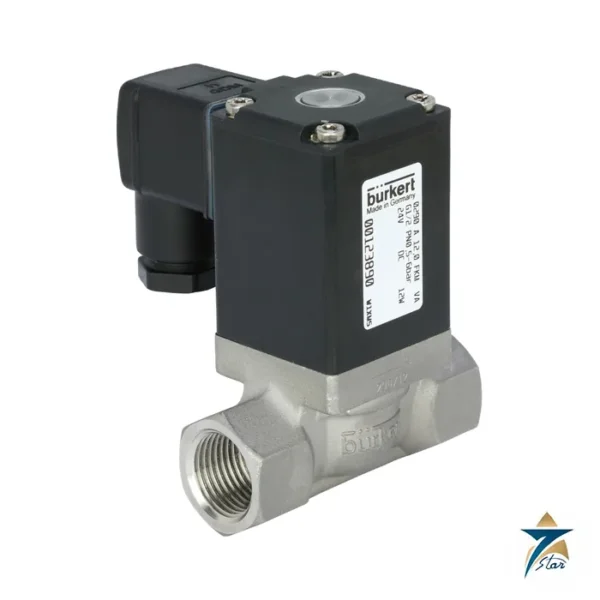
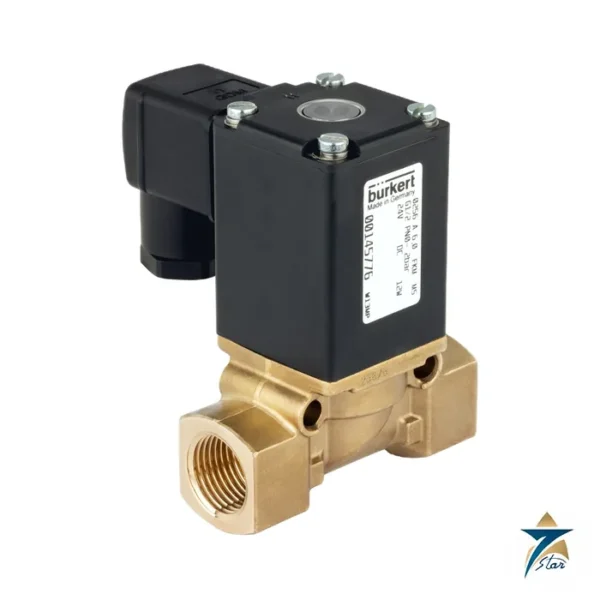
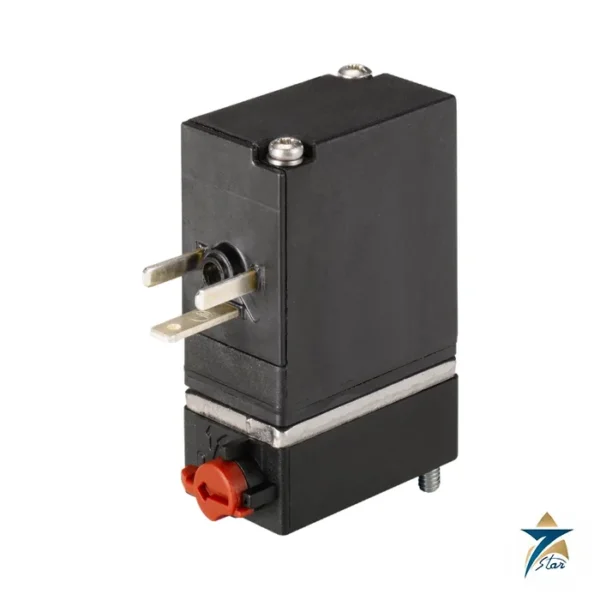
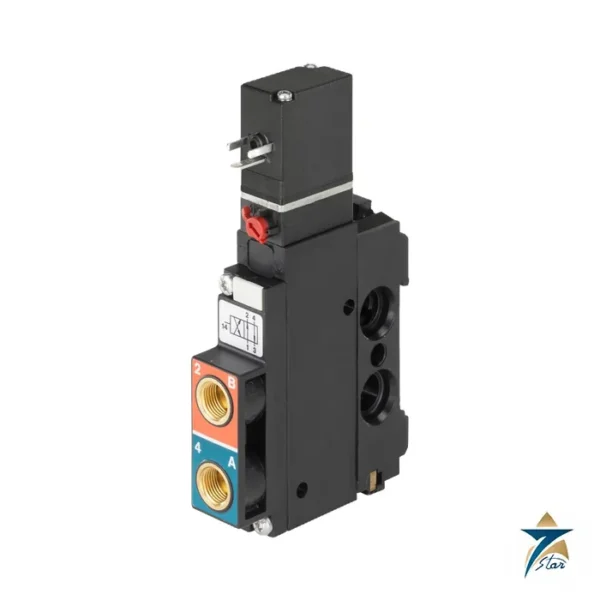
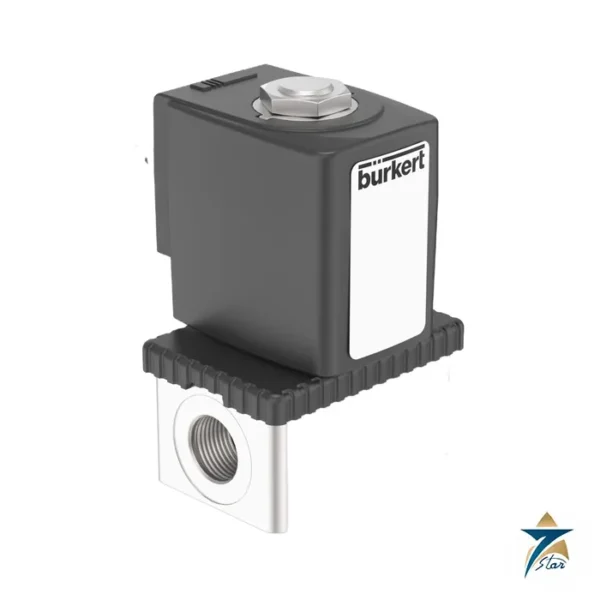
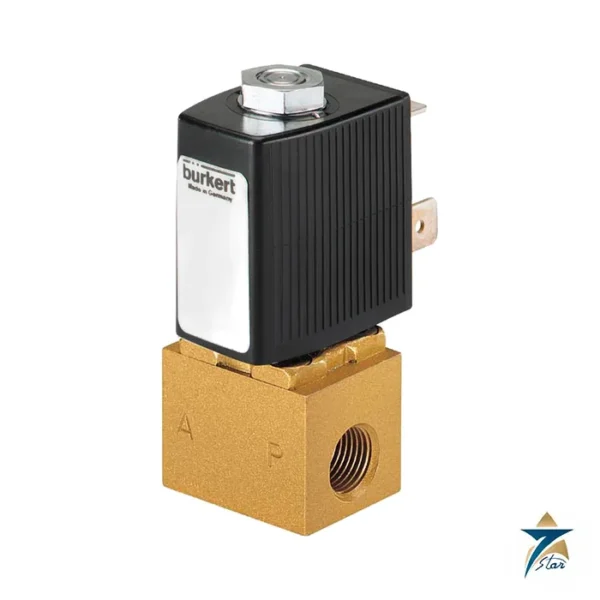
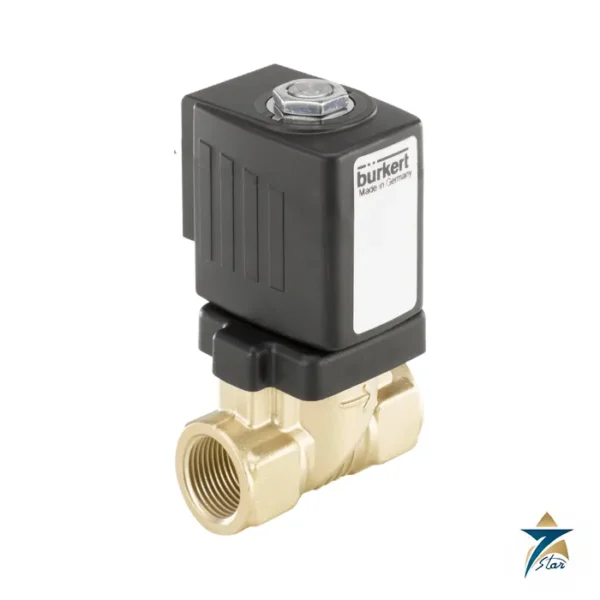
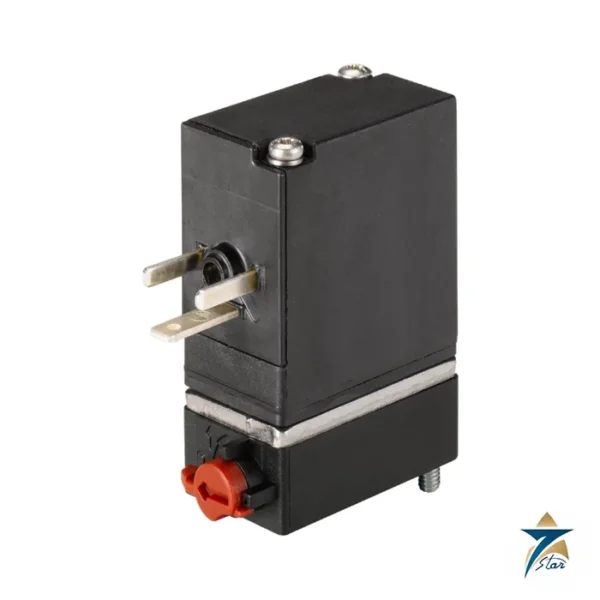
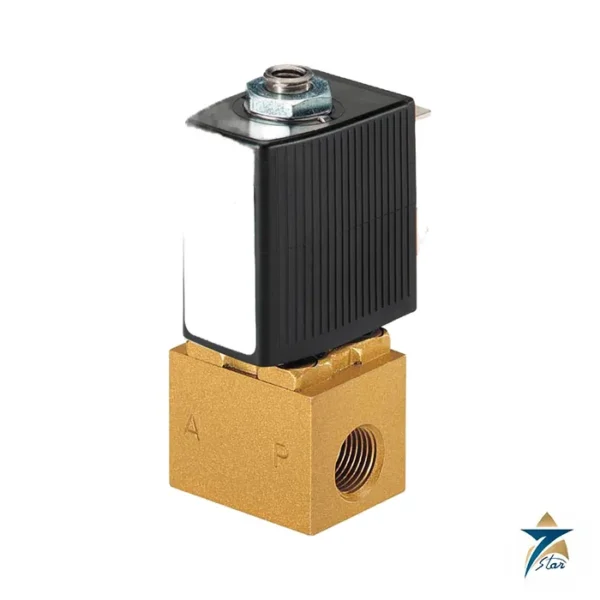
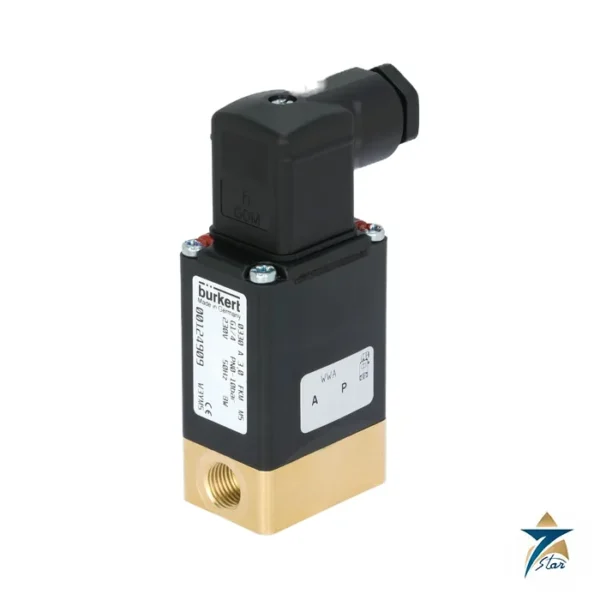
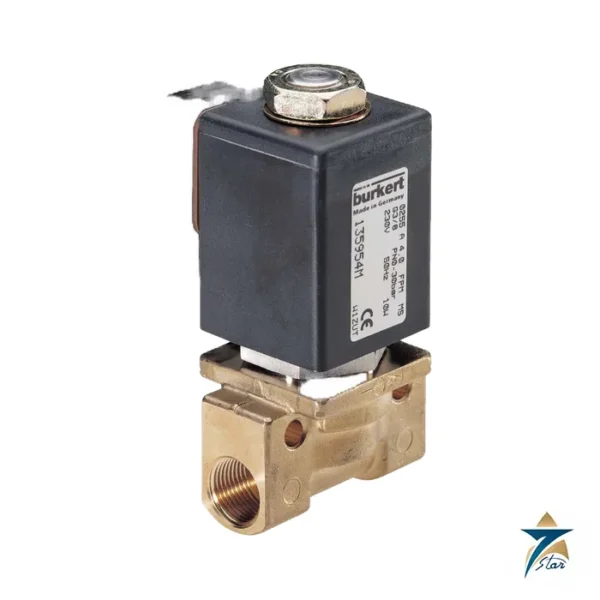
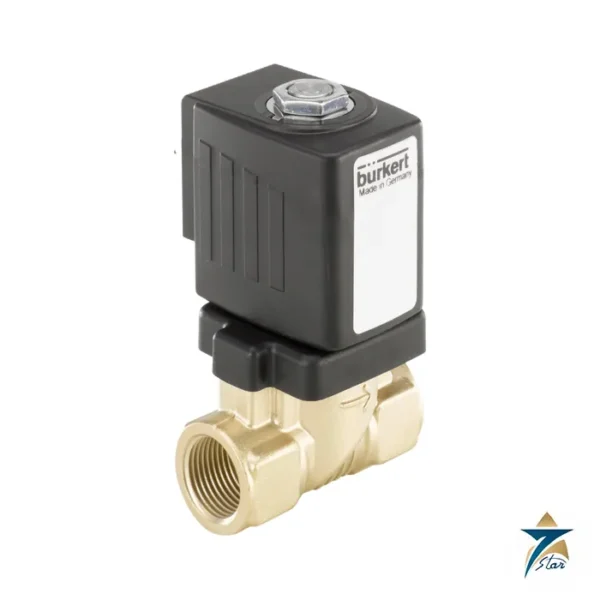
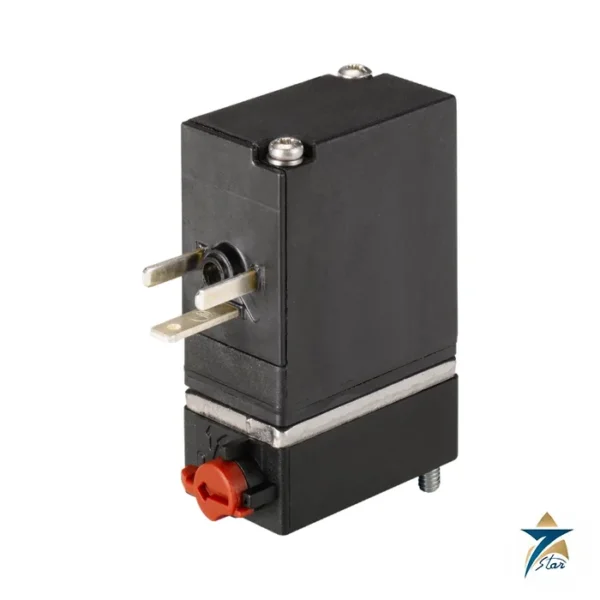
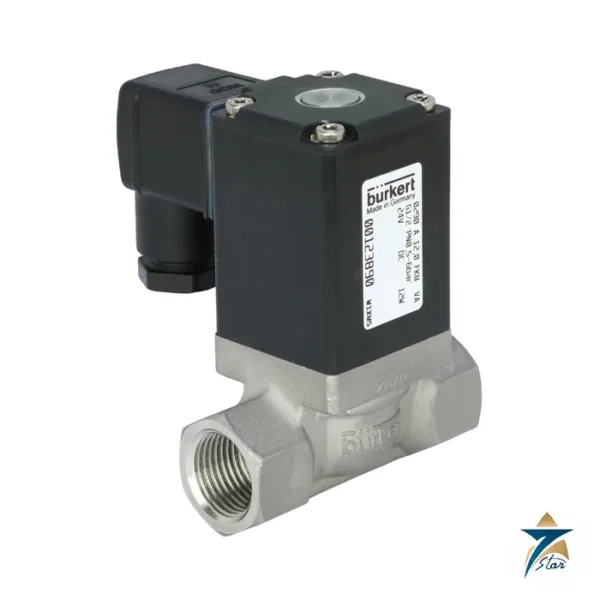
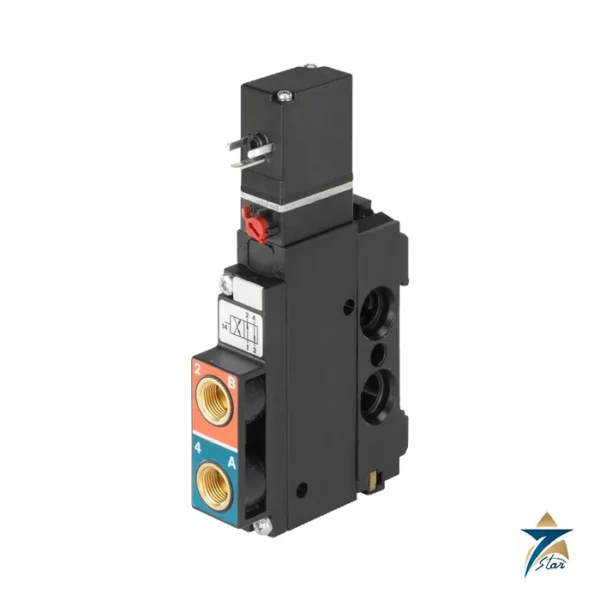
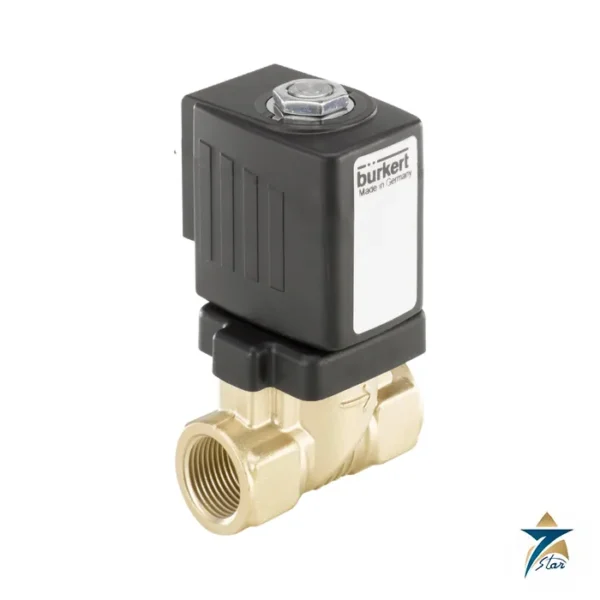
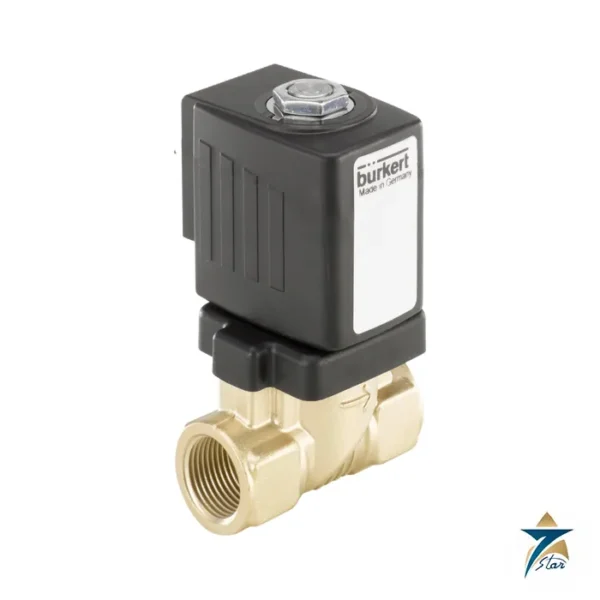
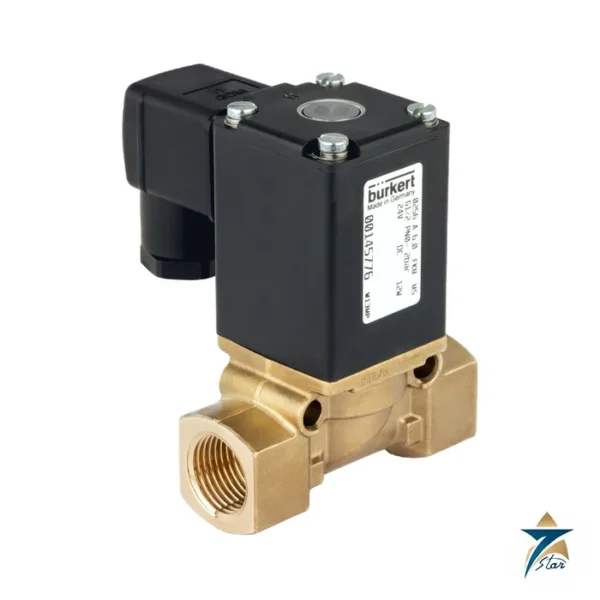
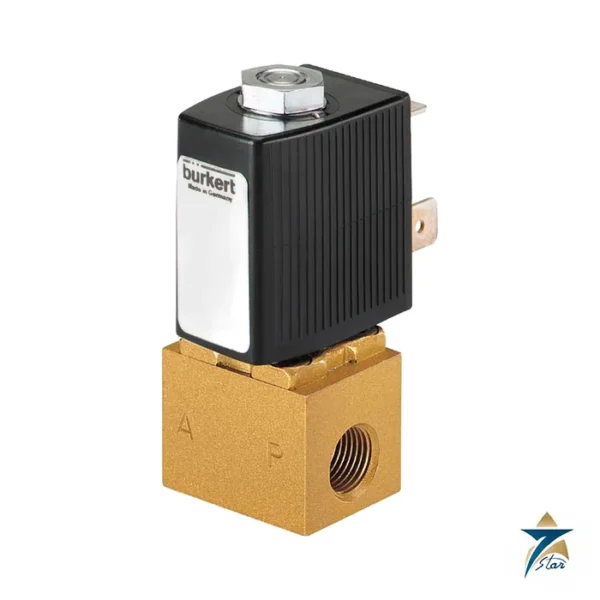
Bürkert 134175 Type 6012 3/2-Way Plunger Valve Sub-Base 24 V DC

Description

Overview

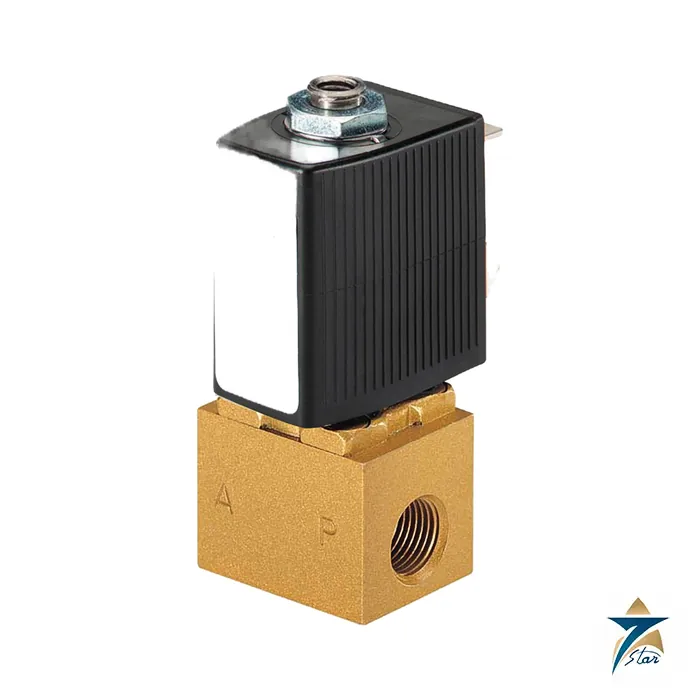
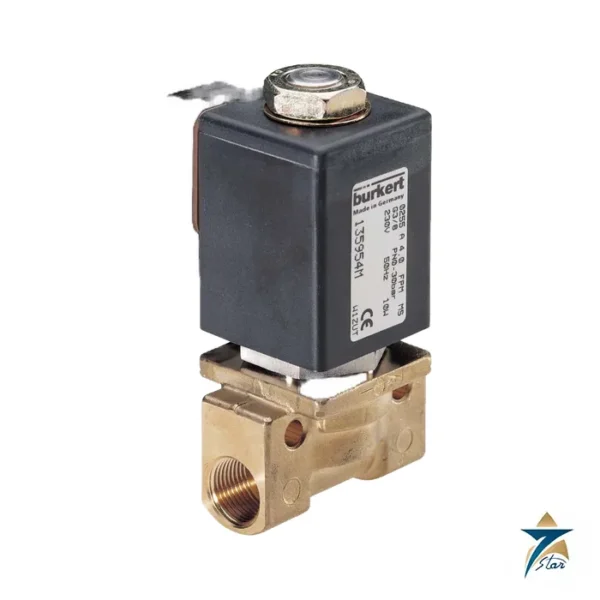
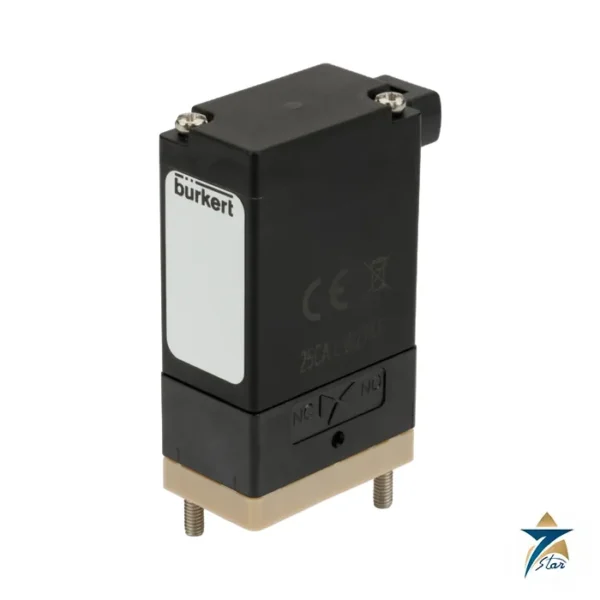
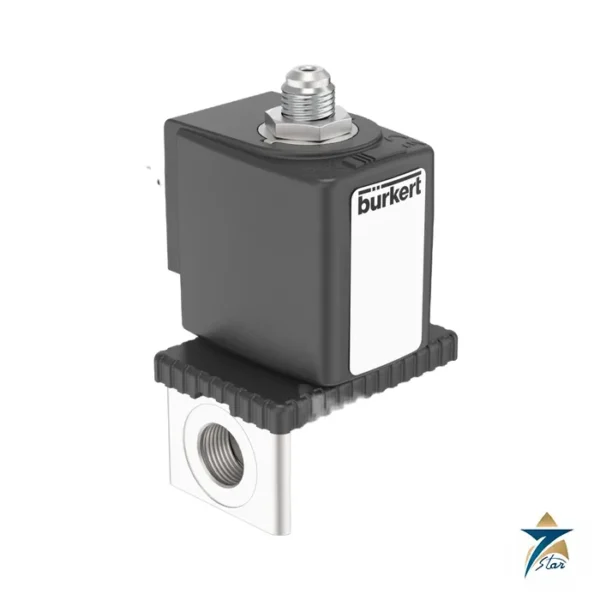
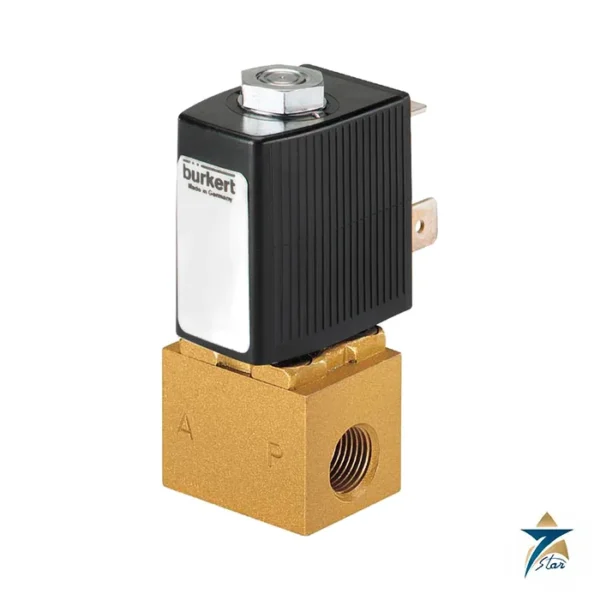
Manifold-mounted pneumatics need valves that bolt onto a flange rather than screw into a thread, and the Bürkert 134175 is exactly that: the sub-base version of the Bürkert Type 6012 plunger valve in brass, 24 V DC, with a 1.2 mm orifice and normally closed 3/2-way function. Its Bürkert-specific flange design lets several valves sit side by side on one aluminium manifold, saving the space and fittings of individually piped valves. Seven Star LLC is an independent supplier serving Oman and the GCC.

What sub-base mounting means

On a sub-base valve, the ports are on the underside and are sealed to the manifold with O-rings, so changing a valve means removing two screws and not breaking pipe joints. The chart for Type 6012 shows the sub-base rows after the M5 and G1/8 rows, and each has the same four voltages: Bürkert 134175 is 24 V DC, 134176 is 24 V 50 Hz, 134177 is 110 V 50 Hz and 134178 is 230 V 50 Hz. A polyamide-body variant with manual override of the same sub-base valve is 134191.

Specification of Bürkert 134175

Item Value
Article number 134175
Body material brass
Port connection Sub-base (flange)
Voltage 24 V DC
Circuit function C, 3/2-way, direct-acting, normally closed
Seal material FKM
Coil polyamide coil, 4 W DC (inrush 9 VA and hold 6 VA on AC), thermal class B
Duty cycle 100 percent for a single valve
Switching time DC, 1.2 mm opening 7 to 12 ms, closing 7 to 12 ms
Operating medium neutral gases and liquids such as compressed air, water, hydraulic oil, technical vacuum
Medium temperature minus 10 to plus 100 degrees C (standard variant)
Maximum viscosity 21 mm2/s
Ambient temperature up to 55 degrees C
Electrical connection plug contacts form C to DIN EN 175301-803, cable plug Type 2516, supplied separately
Degree of protection IP65 with cable plug
Orifice / Kv 1.2 mm / 0.045 m3/h water; pressure 0 to 10 bar

How Bürkert 134175 differs from other Type 6012 variants

The sub-base brass valve shares coil, orifice and seal data with the M5 and G1/8 valves, so the only change is the interface. The datasheet shows manifolds for valves with a 20 mm coil made of anodised aluminium; they can only be combined with the normally closed circuit function, which is what this valve provides. The 1.6 mm sub-base valve 134179 offers a Kv of 0.06 m3/h at only 6 bar, while this valve gives 0.045 m3/h at 10 bar. The stainless sub-base valve 134183 uses a different body material for more demanding media.

Where you find it

Multi-valve islands for machine automation, laboratory fluid handling and compact process analyzers all use this arrangement. Plants in Oman with imported packaging, bottling and assembly lines usually carry such manifolds, and valves with the same flange are interchangeable between stations. Because the valve is direct-acting, it does not need a minimum differential pressure, which makes it useful for vacuum stations as well.

Manifold fitting and wiring

Clean the manifold face and check that the O-rings are present and undamaged. Position the valve and tighten the two screws evenly to the torque given in the datasheet. Fit a Type 2516 cable plug on each valve and number the cables, because a row of identical valves is easy to mix up. Supply 24 V DC with tolerance of plus/minus 10 percent. On a multiple manifold, observe the datasheet note on duty cycle: when valves are mounted in blocks, the continuous rating is reduced relative to a single valve because of mutual heating.

Maintenance

Replacement of a single valve is quick on a manifold, which is a major advantage. Always depressurise the manifold first, renew the seals on the valve face and test each station after fitting.

Energy and heat considerations

Continuous-duty coils convert electrical power into heat, and in a closed cabinet in the Gulf summer that heat adds to an already high ambient temperature. A group of valves energised together can raise the local temperature by several degrees, so ventilation, spacing and shading are worth a thought. Many modern valves reduce holding power after the initial pull-in to save energy, but not all do; check the datasheet for the nominal power and for the maximum ambient temperature. If cabinet temperatures approach the limit, consider mounting the valves outside the hot zone or using a lower-power variant where one exists for the same function.

Cleanliness during assembly

New piping systems hold more contamination than any operating system will ever see: cutting swarf, weld spatter, thread tape fragments, paint and dust. A small valve with a narrow orifice is the first component to be blocked by it. Blow through or flush all pipes before connecting the valve, fit a temporary strainer during start-up and remove it only after the system has run for several hours. Take care not to push sealant tape into the port when wrapping threads, and wrap the tape in the direction opposite to the tightening. A clean assembly is the cheapest way to extend the life of every valve in the system.

Training and handover

When a new valve type is introduced to a plant, a short briefing for the maintenance team prevents mistakes later. Cover the article number system, how to read the nameplate, where the datasheet is stored, how to isolate and depressurise safely and what the typical failure signs look like. Provide a laminated sheet at the panel with the valve number, supply voltage and the expected behaviour on power loss. A plant that keeps this knowledge in the heads of a few engineers is vulnerable to staff changes, whereas written records and a small amount of training keep service quality constant across shifts.

Related items you may also need: Bürkert Type 6026 Direct-Acting 2/2-Way Plunger Solenoid Valve | Bürkert Type 8681 Control Head for Hygienic Process Valves | SMC SY5120-5LOU-01 SY5000 5-Port Solenoid Valve, 24 VDC | All Bürkert products.

Documents and quotation

The Type 6012 datasheet is attached, with manifold dimensions and the complete ordering chart. Send your RFQ with Bürkert 134175, the quantity and the delivery location in Oman or the GCC.

Other Models in the 6012 Range

Seven Star LLC supplies models from the 6012 range in Oman and the GCC. Compare the related models below and request a quote for the one that matches your application.

ModelCategory
Bürkert 134143 Type 6012 3/2-Way Plunger Solenoid Valve M5 24 V DCSolenoid ValvesView details
Bürkert 134151 Type 6012 3/2-Way Plunger Solenoid Valve G1/8 24 V DCSolenoid ValvesView details
Bürkert 134167 Type 6012 Stainless 3/2-Way Plunger Solenoid Valve G1/8Solenoid ValvesView details
Bürkert 134175 Type 6012 3/2-Way Plunger Valve Sub-Base 24 V DCSolenoid ValvesYou are viewing this model
Datasheets & Documents
  • PDF Datasheet Bürkert 134175 Type 6012 3/2-Way Plunger Valve Sub-Base 24 V DC Datasheet Download
Reviews (0)

Reviews

There are no reviews yet.

How would you rate this product?

It takes about 10 seconds — just tap a star. Your email is never published.

About brand

Bürkert is a German family-owned maker of fluid control systems, headquartered in Ingelfingen, Baden-Württemberg. Christian Bürkert founded the company in 1946, and it is known for solenoid valves, process and control valves, flow and analytical sensors, and mass flow controllers. Its products serve water treatment, hygienic processing, gas handling and laboratory applications.

Seven Star LLC lists Bürkert valves and valve automation devices and supplies Bürkert solenoid valves and spare parts to plants in Oman as an independent supplier.

Bürkert company profile

Founded 1946, by Christian Bürkert
Headquarters Ingelfingen, Germany
Ownership Family-owned
Product families Solenoid valves, angle seat process valves, positioners, flow meters, mass flow controllers

Bürkert types listed on this page

Two types are listed. Type 6026 is a direct-acting 2/2-way plunger solenoid valve, with a stainless steel bellows that separates the medium from the coil, and as a direct-acting valve it switches without needing a pressure difference. Type 8681 is the Bürkert control head that mounts on top of hygienic process valves to pilot the actuator and report valve position to the control system. Control heads of this kind are common in food, beverage and pharmaceutical plants in the GCC.

Ordering Bürkert valves: what we need

The type number alone is not enough. Send the identification number from the label, or else the type with orifice, port connection, body and seal material, coil voltage and frequency, circuit function and pressure range. For a Type 8681 control head add the communication variant and the make and model of the process valve it sits on.

Facts checked against Bürkert's published company history, October 2026.

FAQ

Questions about the Bürkert 134175 Type 6012 3/2-Way Plunger Valve

Answers from our engineering team on installation, compatibility and integration.

01What mounting does the Bürkert 134175 have?
It is the sub-base (flange) version of the Type 6012 valve in a brass body, for mounting on a manifold.
02Which voltages exist for the same sub-base valve?
134175 is 24 V DC, 134176 is 24 V 50 Hz, 134177 is 110 V 50 Hz and 134178 is 230 V 50 Hz.
03Can the Bürkert 134175 go on a multiple manifold?
Yes, the datasheet lists anodised aluminium manifolds for valves with a 20 mm coil, usable with the normally closed variants like this one.
04What pressure range does the 134175 have?
The 1.2 mm orifice has a range of 0 to 10 bar and a water Kv of 0.045 m3/h.
05Is there a manual override version of the sub-base valve?
Yes, a polyamide-body sub-base valve with manual override at 24 V DC is listed as 134191.