A long cable electrode for tall silos and deep tanks
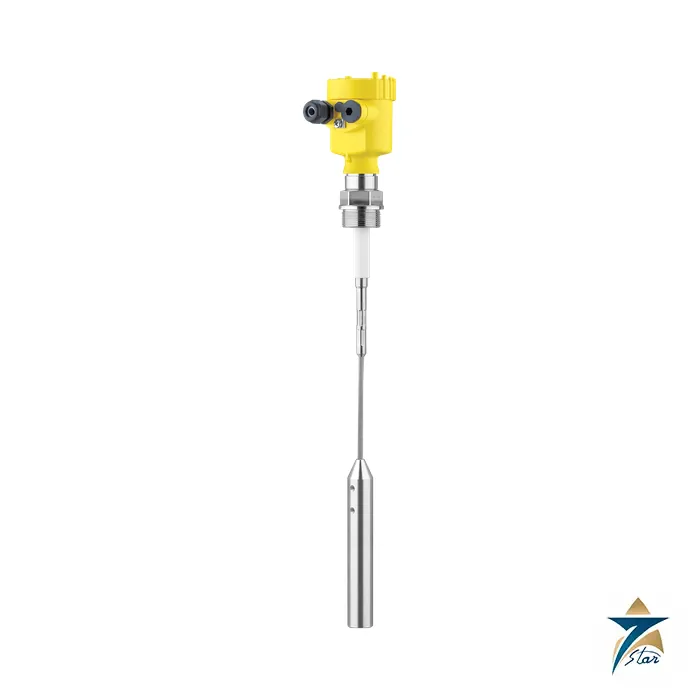
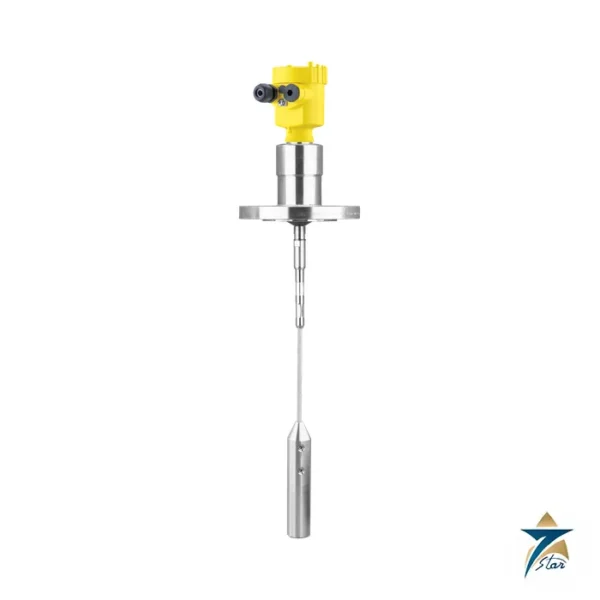
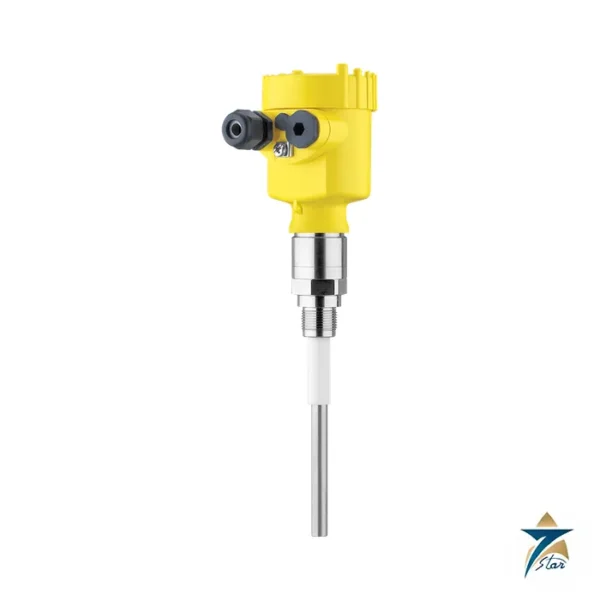
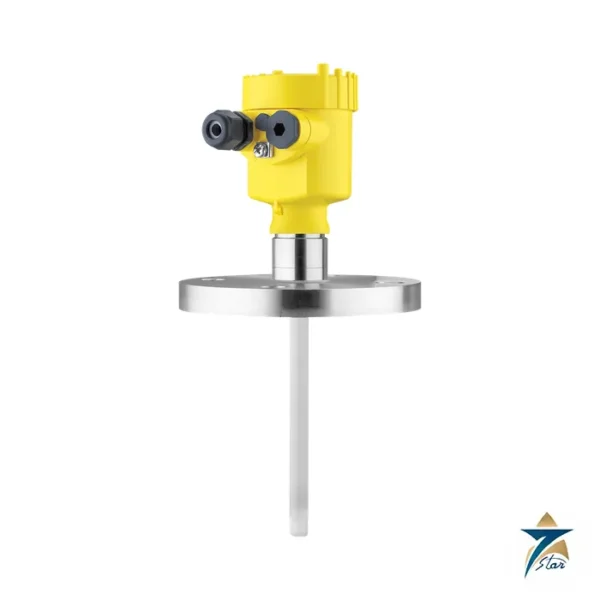
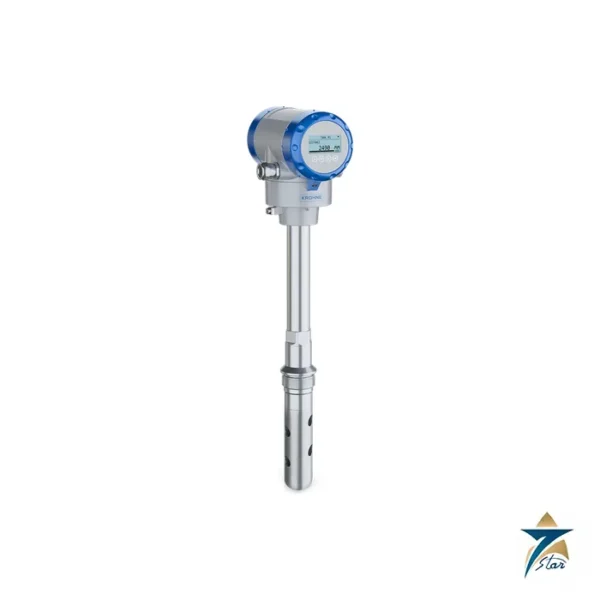
The VEGACAL 65 brings the capacitive principle to tall silos and deep tanks. It is a partly insulated cable electrode that VEGA describes as ideal for bulk solids and usable in non-conductive liquids such as oil, with a measuring range up to 32 m (105 ft). Because the probe is a flexible cable, it can be delivered coiled, lowered through a roof opening and cut to length during installation. Like all VEGACAL sensors it measures along the entire cable with no blocking distance, so the full height of the vessel is available.
Technical specifications
| Parameter |
Specification |
| Type |
VEGACAL 65, capacitive cable electrode, partly insulated |
| Measuring range |
Up to 32 m (105 ft); length 0.4 to 32 m |
| Process fitting |
Thread from G1, 1 NPT; flanges |
| Process pressure |
-1…+64 bar (-100…+6400 kPa) |
| Process temperature |
-50…+200 °C (-58…+392 °F) |
| Ambient, storage, transport |
-40…+80 °C (-40…+176 °F) |
| Operating voltage (Profibus PA sheet) |
9…32 V DC |
| Wetted parts |
Stainless steel; probe insulation per VEGA documents |
| Electronics |
4…20 mA/HART, Profibus PA, Foundation Fieldbus, or version for signal conditioning instrument |
| Housing |
Single- or double-chamber housing in plastic, stainless steel or aluminium, up to IP68 (1 bar) |
| Approvals |
ATEX and IEC hazardous-area; ship approvals GL, LRS, ABS (as printed) |
Tensile load and silo geometry
With a long cable in a tall bin the main design risk is mechanical. VEGA’s mounting instructions require the maximum tensile load of the suspension cable and the permissible roof load of the vessel to be checked, particularly for heavy solids and long measuring lengths; the permissible value is stated in the technical data of the operating instructions. Material cones also matter: the probe should sit where it sees an average of the cone, and in cylindrical silos at a distance of d/6 from the wall. Keep it clear of filling openings and agitators, and avoid asymmetrical tank forms where the distance to the wall changes with level and creates nonlinear readings.
Choosing between cable electrodes
The VEGACAL 66 is the fully PTFE-insulated cable for liquids and solids to 150 °C, while the 65 is partly insulated for solids and non-conductive liquids up to 200 °C and 64 bar. The VEGACAL 67 replaces both at up to 400 °C. Where the process is a conductive liquid in a plastic tank, use another principle or a reference electrode. Specify your sensor length, process fitting and output when you ask for a quote, and note the density of the product if the cable will carry a heavy load, so that the tensile load can be checked against the figure in the operating instructions.
Installing the VEGACAL 65 cable in a silo
Before lifting the probe to the silo roof, check the nozzle or flange on the vessel against the process fitting that was ordered, and confirm the seal and bolting material. Uncoil the cable carefully on a clean surface; kinks and sharp bends in the insulation can create weak points that later show up as unstable readings. Lower the cable through the roof opening by hand, keeping it clear of the edges of the nozzle, and let it hang freely before the fitting is tightened.
If the cable needs to be shortened, follow the procedure in the VEGA operating instructions for cutting and refitting the end weight, and make a note of the final length because it is needed for the setup. A good earth connection between the housing and the metal vessel is essential, since the vessel wall forms the counter-electrode for the capacitive measurement. Where the silo is lined or painted, check the earth path with the plant electrician rather than relying on the flange bolts alone.
Commissioning and adjustment
Commissioning a capacitive probe is mostly about recording two points. With the silo empty, or at a known low level, carry out the empty adjustment; then, when the product reaches a known higher level, carry out the full adjustment. Use the setup menu or adjustment software that matches the electronics fitted, and save the settings once the values have been checked against a manual dip or a known filling quantity. Because the reading depends on the dielectric properties of the product, repeat the adjustment if the material changes, for example when a different grade of cement or grain is stored in the same bin.
Conditions in Oman and GCC storage sites
Bulk storage sites in Oman and the Gulf often combine high roof temperatures with fine dust and, near the coast, humid air that condenses at night. Shade the electronics housing where the silo roof is exposed to direct sun all day, and check that the temperature at the housing stays within the ambient range given in the VEGA data. Close the housing lid firmly after every intervention, and use suitable cable glands so that dust and moisture cannot enter the terminal compartment. Condensation inside a silo can cause product to cake on the cable and on the wall, which shifts the reading; where this happens, look at ventilation of the head space and keep a record of the product moisture during deliveries.
Maintenance and selection checks
During shutdowns, inspect the visible part of the cable and the process fitting for wear, especially where abrasive solids flow past during filling. Check the suspension point and the roof structure for signs of strain, since heavy, settling product pulls on the cable over many cycles. Compare the displayed level with a manual measurement at intervals so that slow drift from build-up is caught early.
When selecting the probe for a new silo, gather the vessel height, the nozzle position, the product type and its behaviour (free-flowing, sticky or abrasive), the process temperature and pressure, the required output and any hazardous-area classification. Supplying these details with the enquiry makes it straightforward to check whether the VEGACAL 65 suits the application or whether one of the other cable electrodes named above is the better fit.
Documents and quotation
The official VEGA VEGACAL 65 (Profibus PA) specification sheet (34615-EN, version 160112) is attached to this page for download and covers the technical data, dimensions and wiring summarised above.
Share the application details with our sales desk in Muscat and we will match them to the right variant and prepare a quote. Seven Star LLC supplies these instruments as an independent company, not as the manufacturer’s agent; see our level instrumentation category for related products. Please confirm approvals, cable length and fitting against the manufacturer’s data before ordering.













Reviews
There are no reviews yet.