- Automation & ControlView all 3,130 products
- Automation Accessories
- AC Drives
- PLC & I/O Cards
- Industrial Communications
- Vibration Monitoring
- Controllers & Data Acquisition
- Isolator & Barrier
- Safety Switches & Guard Locking
- Encoders
- Motor Soft Starters
- CCTV & Security
- Pneumatic Cylinders
- HMI Displays
- Servo Drives
- Industrial Computers
- Machine Vision
- Automation Software
- Robotics
Brand: Magnetrol
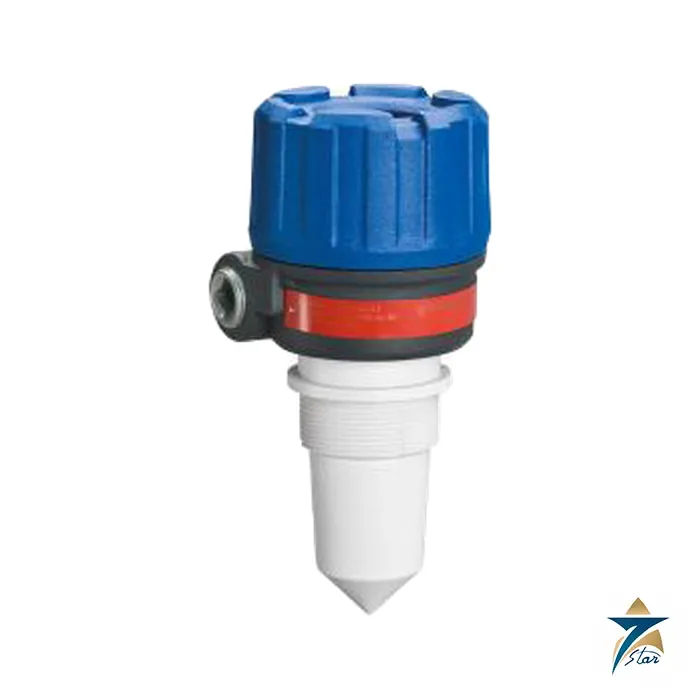
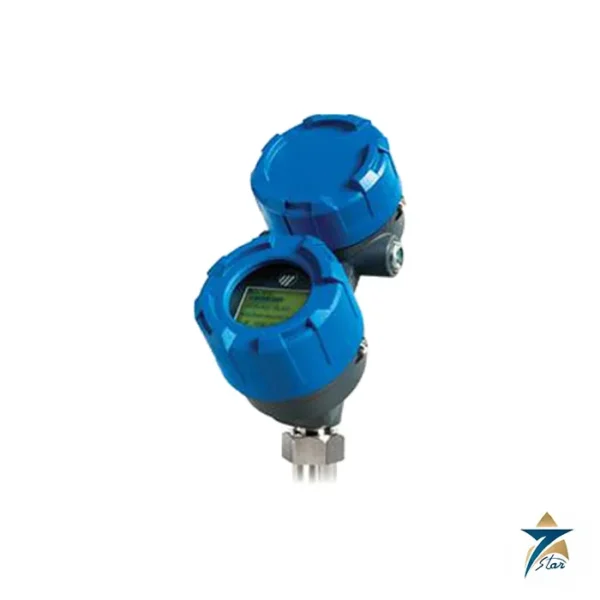
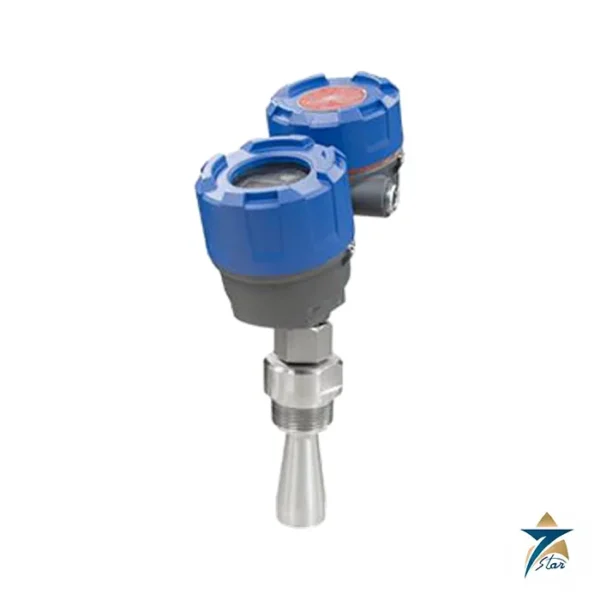
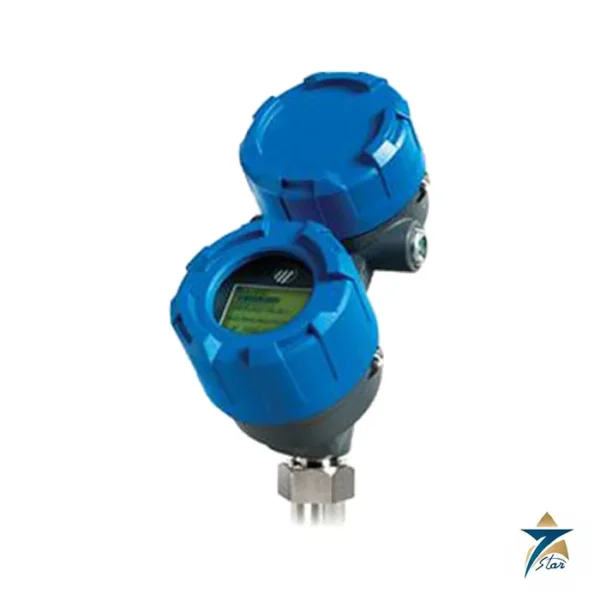
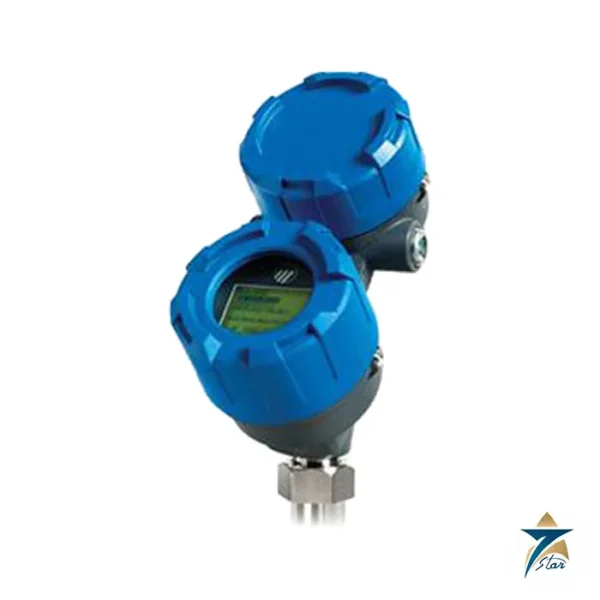
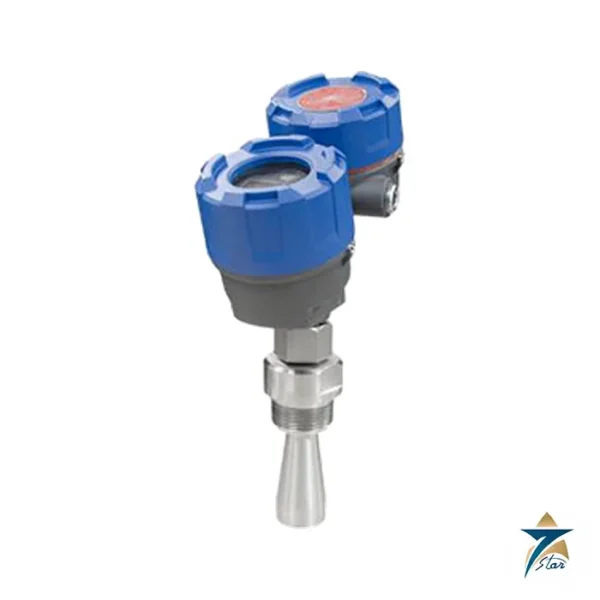
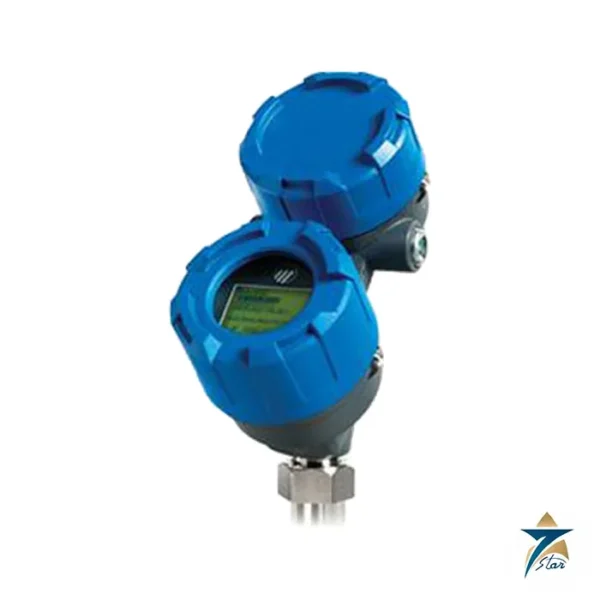
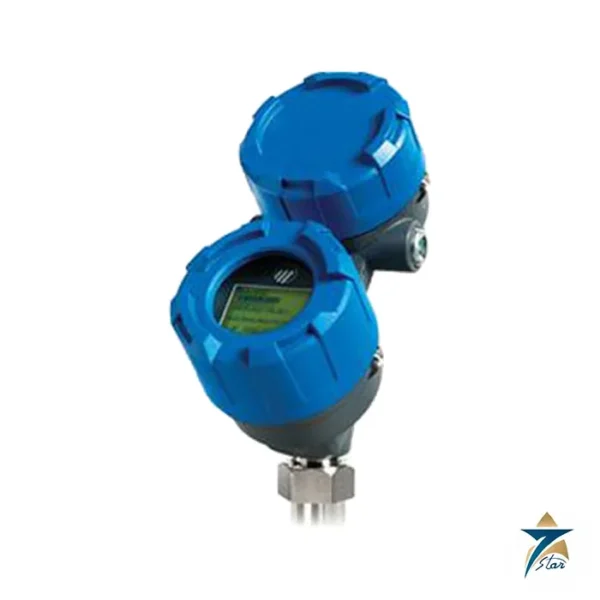
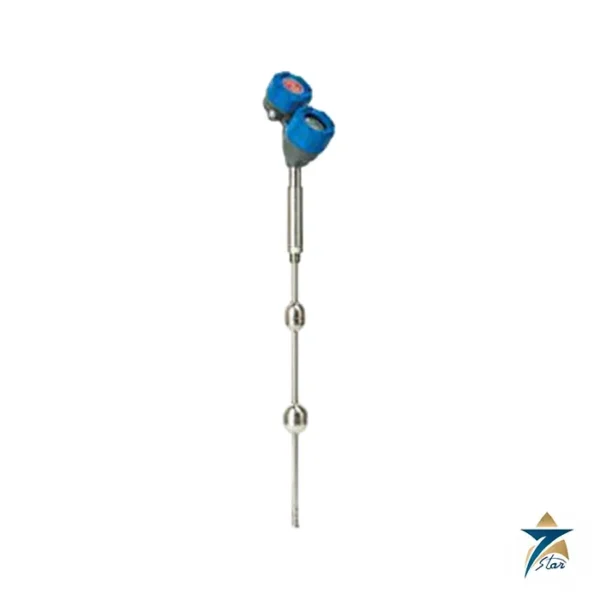
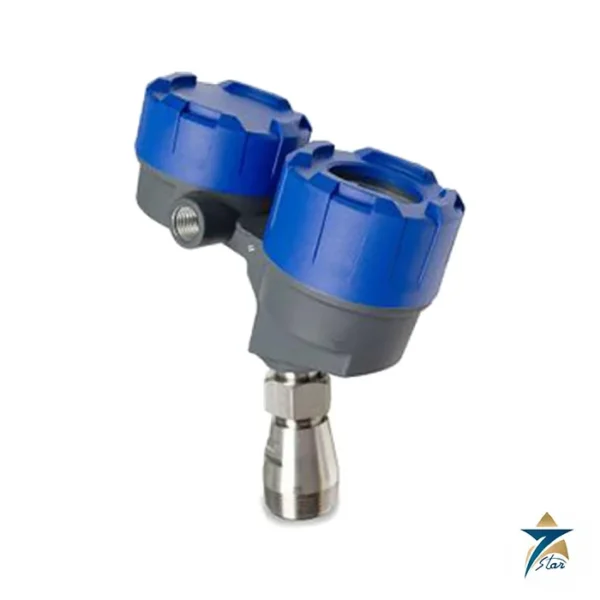
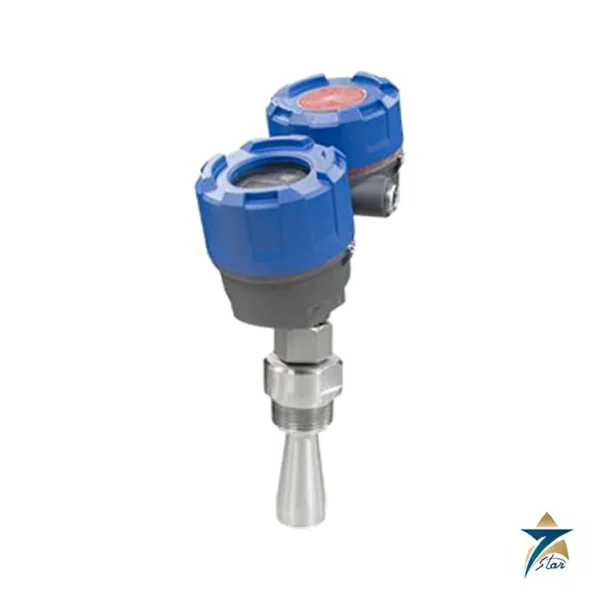
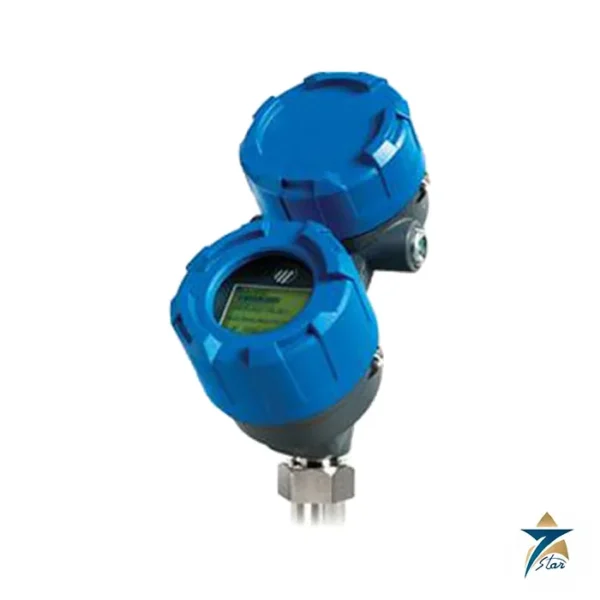
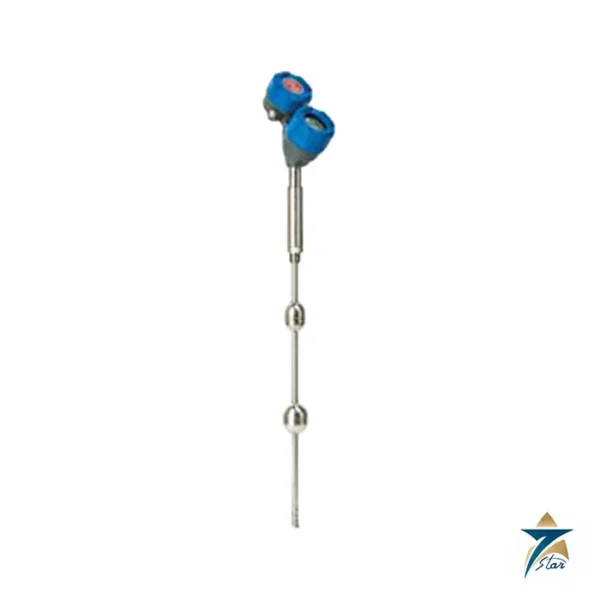
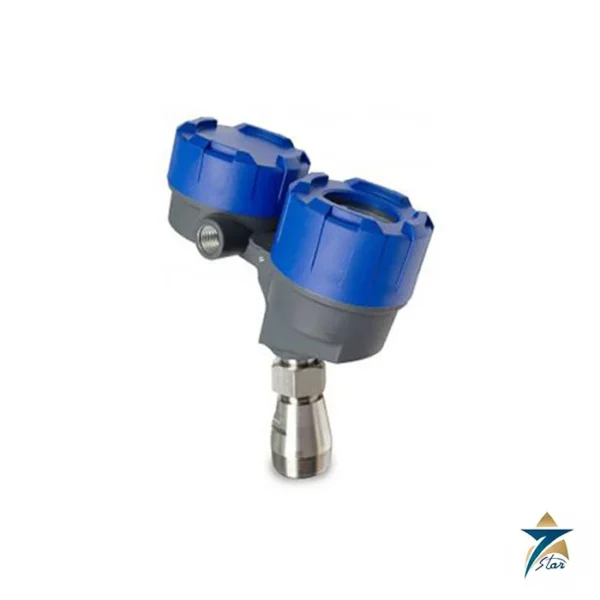
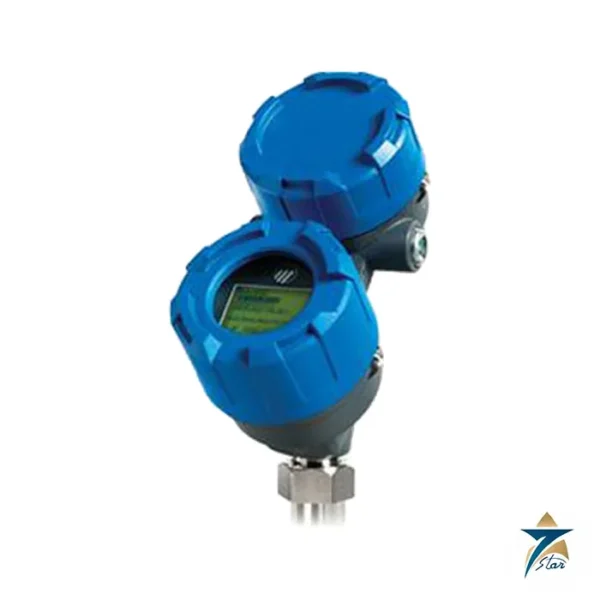
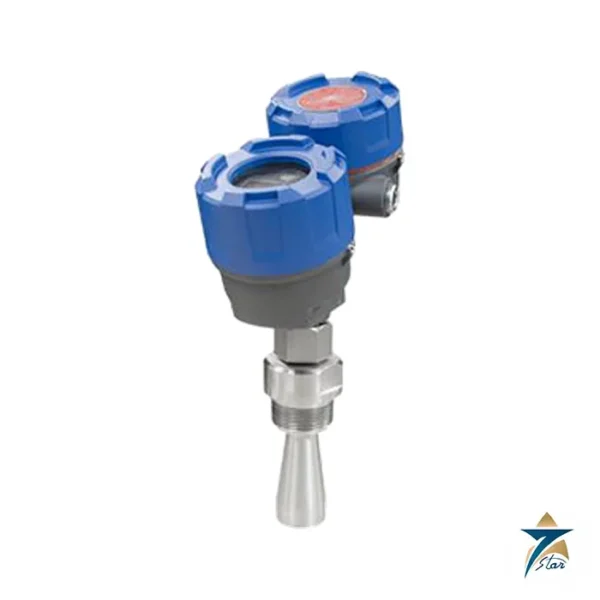
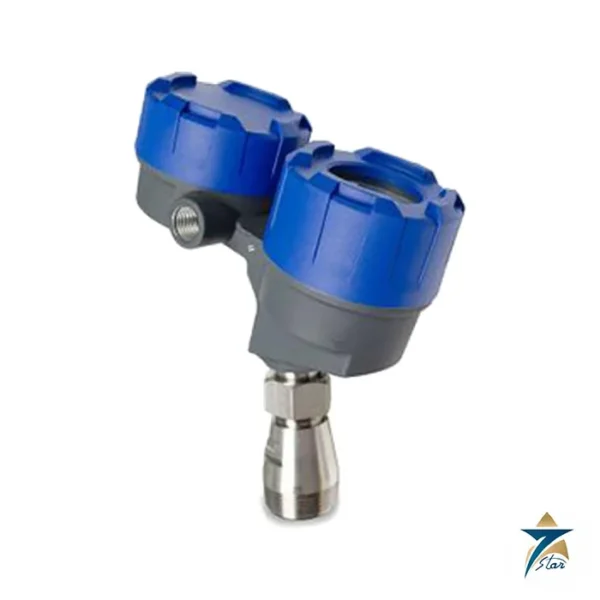
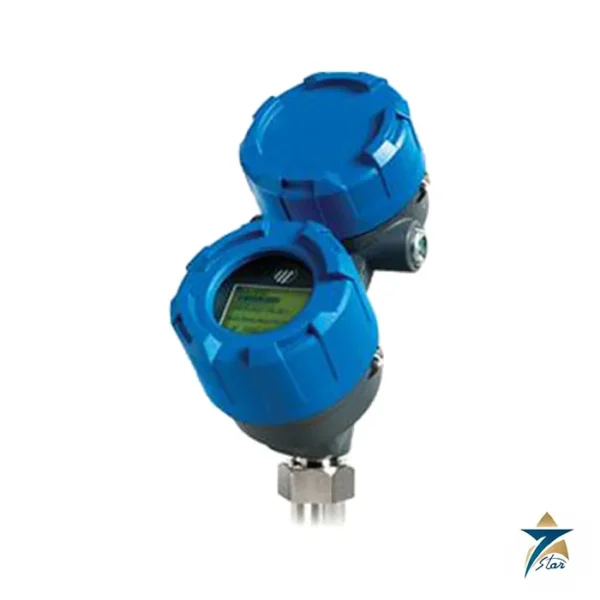
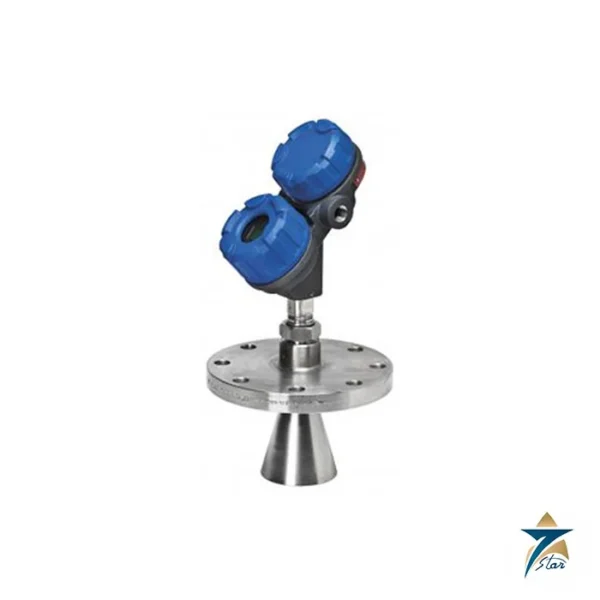
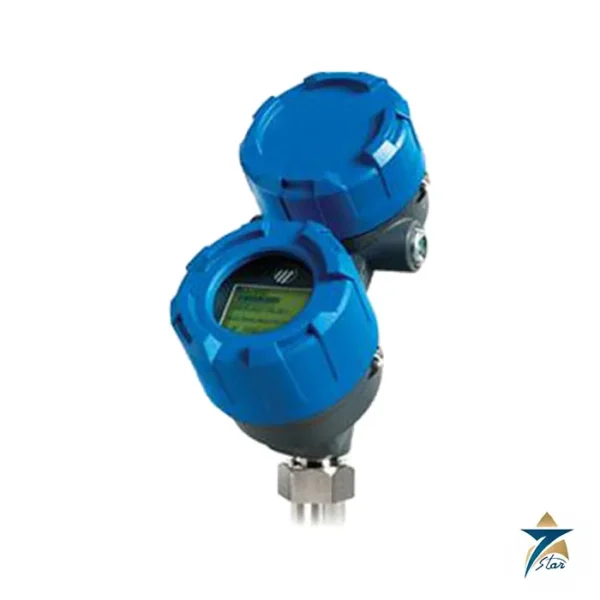
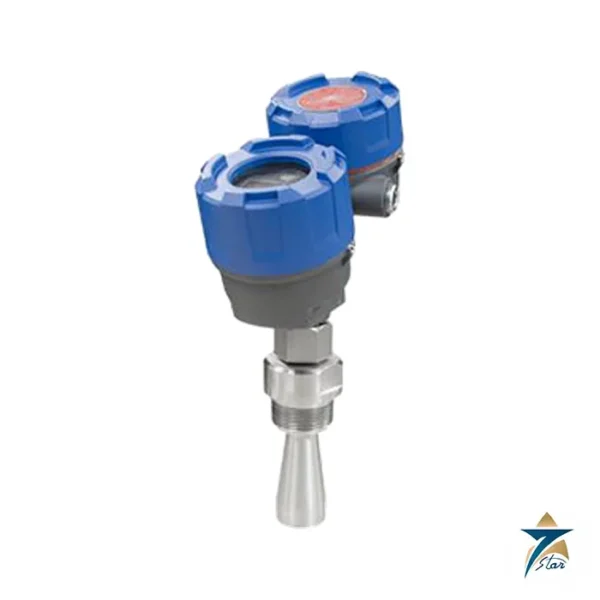
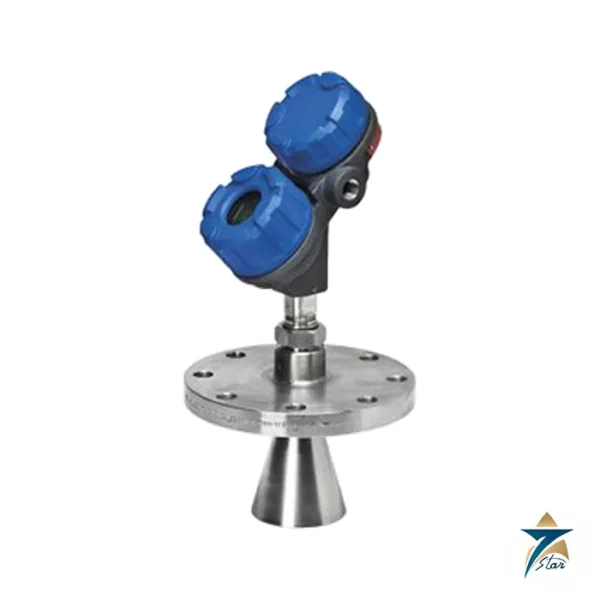
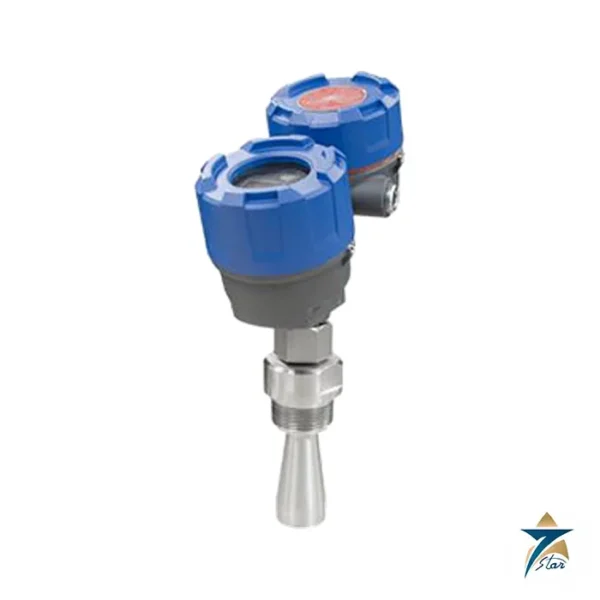
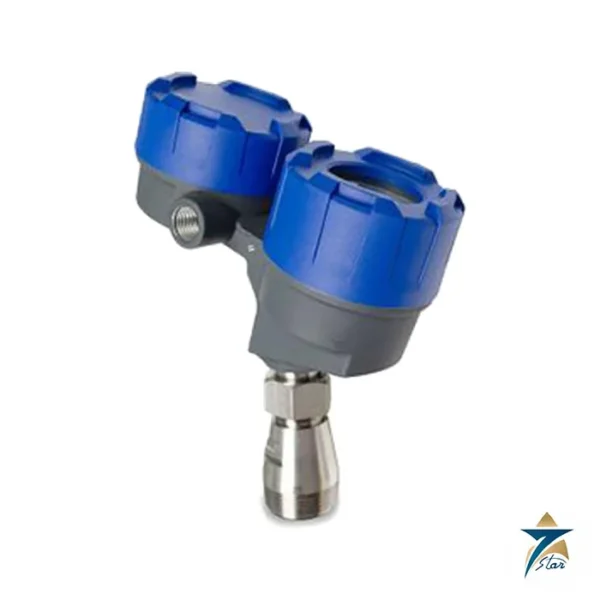
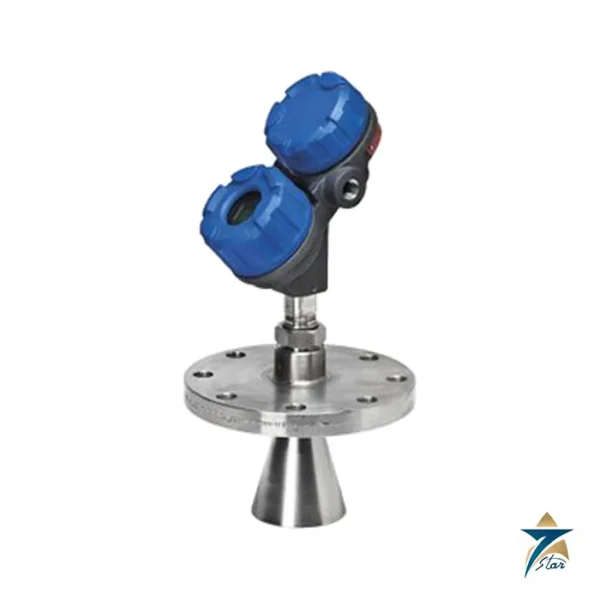
Magnetrol Pulsar R82 26 GHz Pulse Burst Radar Transmitter
Description
Overview
For years, plants chose ultrasonic transmitters for everyday tanks because radar was too costly. The Magnetrol Pulsar R82 was created to change that. It is an economical, loop-powered pulse burst radar level transmitter operating at 26 GHz, housed in a compact single compartment cast aluminum or Lexan case. Because it measures with microwaves, it copes with vapor-saturated atmospheres, temperature layers and foam-free turbulence that make sound-based devices unreliable. Seven Star LLC is an independent supplier serving Oman and the GCC.
Pulse burst technology inside Magnetrol Pulsar R82
The transmitter sends short bursts of 26 GHz energy toward the liquid surface and times the reflected pulse with high-speed circuitry. Distance equals the speed of light multiplied by the transit time divided by two, and level follows from the tank height and sensor offset entered in the set-up. Sophisticated signal processing removes false echoes from obstructions, multipath reflections from tank walls and disturbances created by agitators. The electronics are efficient enough that no duty cycling is required, so the R82 can follow level changes of up to 180 inches, or 450 centimetres, per minute.
Specification of Magnetrol Pulsar R82
| Parameter | Catalog value |
|---|---|
| Frequency and principle | Pulse burst radar at 26 GHz |
| Measuring span | 15 inches to 40 feet (0.4 to 12.2 m) from threads |
| Output | 4-20 mA with optional HART; 3.8 to 20.5 mA usable (NAMUR NE 43) |
| Power at terminals | 16 to 36 V DC, general purpose or intrinsically safe |
| Loop resistance | 400 ohms at 24 V and 20 mA |
| Accuracy and linearity | Plus or minus 0.2 inch (5 mm) or 0.05 percent of tank height, whichever is greater |
| Resolution | 0.1 inch (2.5 mm) |
| Response and warm-up | Less than 1 second; 30 seconds |
| Dielectric range | 1.7 to 100 |
| Process temperature | Minus 40 to plus 93 degrees C at atmosphere |
| Process pressure | Vacuum to 200 psig (13.8 bar) |
| Ambient temperature | Minus 40 to plus 80 degrees C |
| Antenna | Polypropylene or ETFE encapsulated horn; 2 or 8 inch extension |
| Process connection | 2 inch NPT or BSP (G2), Sch. 40 maximum |
| Housing protection | Lexan NEMA 6P (IP67/68); aluminum NEMA 4X (IP66) |
| Safety integrity | SIL 1, safe failure fraction 89.1 percent |
How Magnetrol Pulsar R82 differs from other Pulsar radar models
The Pulsar family spans the economical R82, the R86 at 26 GHz with a wider selection of antennas, the R96 at 6 GHz and the R80 at 80 GHz. The R82 stands out through its low cost, two-wire 24 V DC loop power, plastic encapsulated horn and a 2 inch connection, with a span of 15 inches to 40 feet. It does not offer the long range or very high temperature and pressure ratings of the larger members, so check the process limits of 200 psig and 93 degrees Celsius before selecting it.
Reading the Magnetrol Pulsar R82 model number
The model code is assembled from ten positions. R stands for radar level transmitter, 8 for 26 GHz and 2 for the economical transmitter model. The fourth position, 5, selects 24 V DC two-wire power with 4-20 mA and HART. The agency code then chooses between general purpose or non-incendive and intrinsically safe approvals under cFMus, or the equivalent ATEX and IECEx versions. Next come the housing and conduit codes, with cast aluminum or Lexan and either three quarter inch NPT or M20 entries, followed by the digital display and keypad accessory, the antenna type, and finally the process connection. The antenna code decides between polypropylene and ETFE material and between a 2 inch and an 8 inch extension, which lifts the horn through a tall nozzle. A thread-on flange in carbon steel, stainless steel, PVC, Kynar or fibreglass can be added for 2 inch NPT connections.
Why choose radar for a tank that used to be ultrasonic
Ultrasonic pulses are carried by air, so their speed and strength change with temperature, vapor and pressure. Radar pulses are electromagnetic and are essentially unaffected by these conditions, which is why the catalog describes the R82 as effective even where the space above the liquid is saturated with vapor. A transmitter that holds its reading through a hot afternoon on a chemical tank, or a steamy wash-down, saves operators from distrusting the signal. The resulting stability makes level readings usable for inventory control as well as for simple alarms.
Applications
The catalog lists storage and holding tanks, intermediate tanks, mixing and blending vessels, enclosed sumps and standpipes or chambers of 2 inch size. It also performs volume calculation from common tank shapes and open channel flow using 35 flume and weir curves, with two seven-digit totalizers. In Oman and the GCC these uses correspond to chemical dosing tanks, desalination sumps, wastewater and cooling water basins and day tanks.
Maximum distance and conditions
The usable distance depends on the dielectric of the liquid and on turbulence. In the table of the catalog, a medium with a dielectric of 1.7 to 3.0 and no turbulence may be measured to 26 feet, or 8 metres, and light turbulence below half an inch reduces this to 21 feet, or 6.4 metres. Water-based liquids with high dielectric reach farther. State the liquid and the tank dimensions when you request a recommendation.
Mounting and commissioning
Mount the transmitter on a 2 inch nozzle at least the recommended distance away from the tank wall, and keep the antenna clear of obstructions. For open channel flow mount it at least 30 inches above the primary flow element. Configure tank height, offset, range and damping with the four-button keypad, the display or PACTware over HART, and adjust the beam pattern without removing the transmitter from the vessel.
Maintenance
With no moving parts and no contact with the process other than the antenna horn, maintenance is limited to cleaning heavy deposits from the horn and checking the wiring and diagnostics. Spare electronic modules and wiring boards are separate items.
Ordering notes for Magnetrol Pulsar R82
The model code begins R82, then 5 for 24 V DC two-wire HART, an agency code, housing and conduit code, a display accessory code, antenna type and process connection. State the agency classification, housing, antenna material and extension length and confirm the full order code on the nameplate.
Related items you may also need: Magnetrol Z30-9166-002 Fieldbus Wiring Board for Eclipse 706 GWR | Magnetrol Z30-3612-001 Power Loop Board, HART, for Thermatel TA2 | Magnetrol 089-7905-001 TG1 DIN Rail Housing and Electronics | All Magnetrol products.
Documents and quotation
The product catalog covering the Magnetrol Pulsar R82 is attached to this page. Please send your RFQ with Magnetrol Pulsar R82, the full model code, quantity and your delivery location in Oman or the GCC.
Datasheets & Documents
- Datasheet Magnetrol Pulsar R82 26 GHz Pulse Burst Radar Transmitter Datasheet Download
Reviews (0)
How would you rate this product? Cancel reply
About brand
Magnetrol is the American level and flow measurement specialist known for the Eclipse guided wave radar, Pulsar radar transmitters and the float and displacer switches that guard boilers and vessels. It was founded in 1932, is based in Aurora, Illinois, and has been part of AMETEK since 2021.
Seven Star LLC is an independent supplier in Muscat. We list Magnetrol level transmitters and level and flow switches, and supply them to refineries, gas plants and utilities in Oman and the GCC by complete model number.
Magnetrol company profile
| Established | 1932, USA; headquarters in Aurora, Illinois |
|---|---|
| Ownership | Acquired by AMETEK in March 2021 and now part of its Electronic Instruments Group |
| Product families | Guided wave radar, non-contact radar, displacer and buoyancy transmitters, ultrasonic and thermal dispersion switches, float switches and magnetic level indicators (through its Orion Instruments brand) |
| Applications | Separators, storage tanks, boilers and feedwater heaters, interface measurement, pump protection and flow detection |
Milestones
- 1932: The first mechanical buoyancy level switch; the company grows into Magnetrol, based in Aurora, Illinois.
- 1998: Eclipse Model 705, a loop-powered guided wave radar transmitter for industrial liquid level, according to Magnetrol.
- 2021: AMETEK acquires Magnetrol on 29 March.
Magnetrol products we list
| Model | Principle | Typical use |
|---|---|---|
| Eclipse 706 | Guided wave radar | Level and interface in separators, chambers and boiler drums, unaffected by changing density |
| Pulsar R80 | 80 GHz FMCW radar | Narrow-beam non-contact level in tanks with internals and in solids |
| Pulsar R86 | 26 GHz radar | Non-contact level in process and storage vessels |
| Pulsar R96 | 6 GHz radar | Non-contact level where vapour, foam or condensation are present |
| E4 Modulevel | Displacer | Level and interface in high-pressure, high-temperature vessels, often replacing older torque tube units |
| Echotel 961/962 | Ultrasonic gap switch | High and low level alarms and pump protection |
| Thermatel TD1/TD2 | Thermal dispersion switch | Flow and no-flow detection and level switching for liquids and gases |
Guided wave radar sends pulses down a probe and times the reflection from the surface, so dust, vapour and changes in density don't affect the reading. That is why it often replaces displacers on separators and chambers. Non-contact radar suits tanks where nothing should touch the product, and a higher frequency gives a narrower beam that avoids tank internals.
Where Magnetrol instruments are used
In Oman and the GCC, Magnetrol transmitters and switches measure level in production separators, slug catchers, storage tanks, boiler drums and feedwater heaters, and protect pumps in oil and gas, refining, petrochemical, power and water plants.
Ordering Magnetrol instruments: what we need
Send the complete model number from the nameplate. On Magnetrol instruments every digit sets the electronics, the probe or antenna, the process connection and the approvals. For a new application, send the medium, the dielectric constant if known, the measuring range, the pressure and temperature, the process connection and the hazardous area classification.
Facts checked against Magnetrol and AMETEK company information, October 2026.
Browse Magnetrol products by category: Level Transmitter.
FAQ
Questions about the Magnetrol Pulsar R82 26 GHz Pulse Burst Radar
Answers from our engineering team on installation, compatibility and integration.
01What frequency does the Magnetrol Pulsar R82 use?
It is a pulse burst radar transmitter operating at 26 GHz, with a span of 15 inches to 40 feet (0.4 to 12.2 m).
02How is the Magnetrol Pulsar R82 powered?
It is loop powered with 16 to 36 V DC at the terminals and gives 4-20 mA with optional HART, using a 400 ohm loop at 24 V and 20 mA.
03What are the process limits of the Pulsar R82?
The polypropylene or ETFE horn handles minus 40 to plus 93 degrees C and vacuum to 200 psig (13.8 bar), with dielectric from 1.7 to 100.
04How accurate is the Magnetrol Pulsar R82?
Accuracy and linearity are plus or minus 0.2 inch (5 mm) or 0.05 percent of tank height, whichever is greater, with 0.1 inch resolution.
05Does the Pulsar R82 have a SIL rating?
The catalog gives a Safety Integrity Level value of 1 with a safe failure fraction of 89.1 percent.


Reviews
There are no reviews yet.