A ceramic-insulated capacitive probe for hot bulk solids
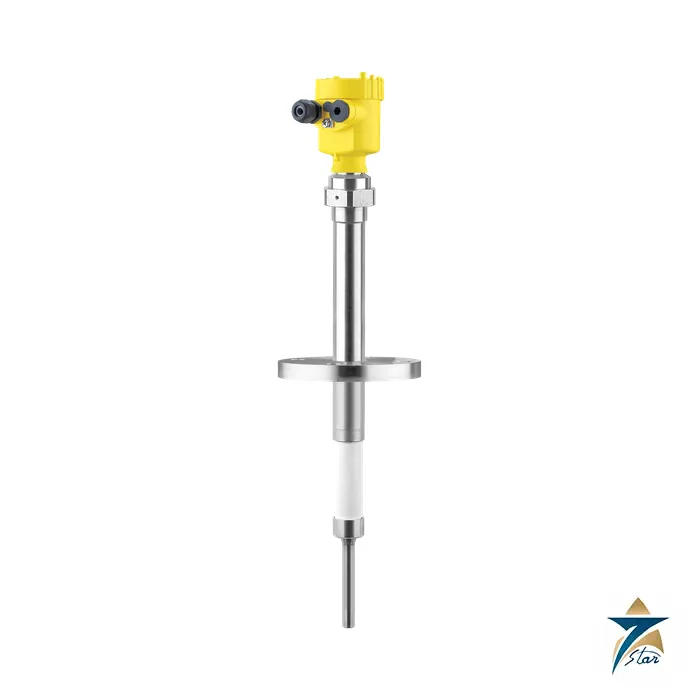
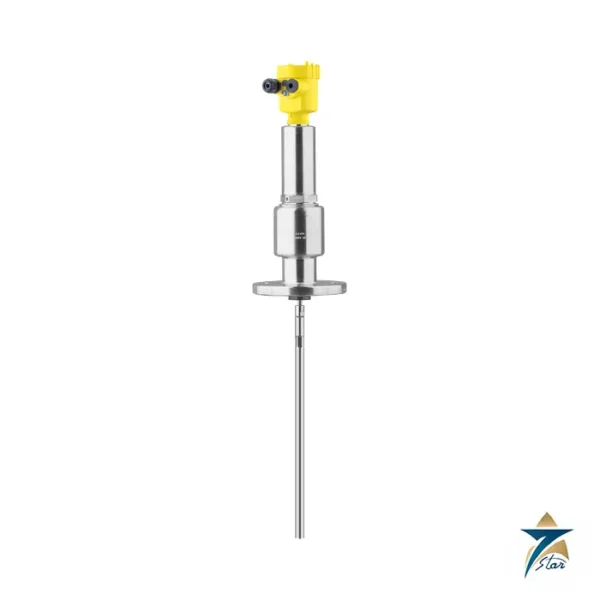
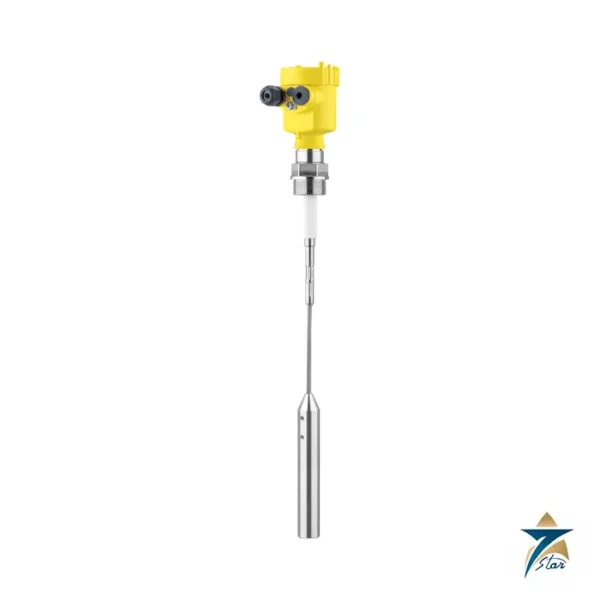
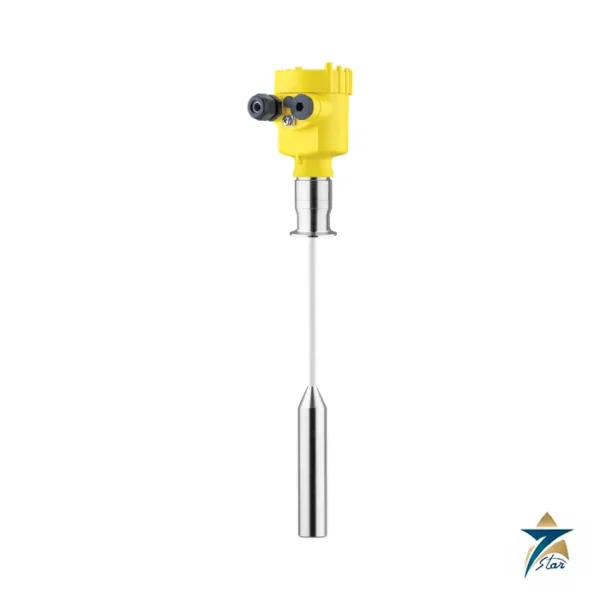
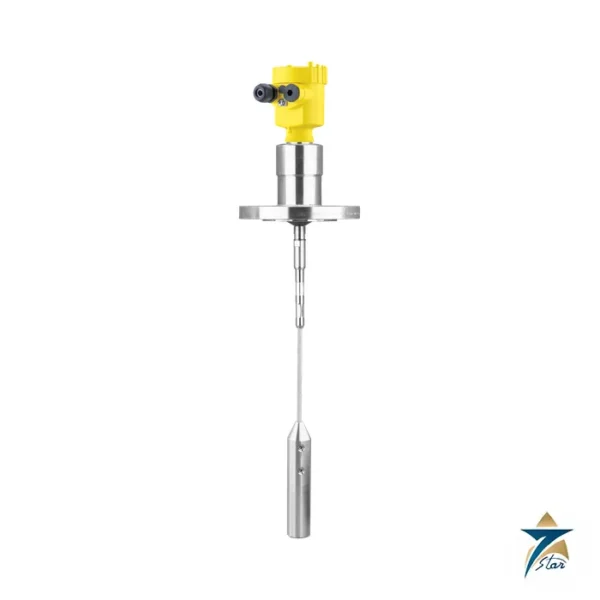
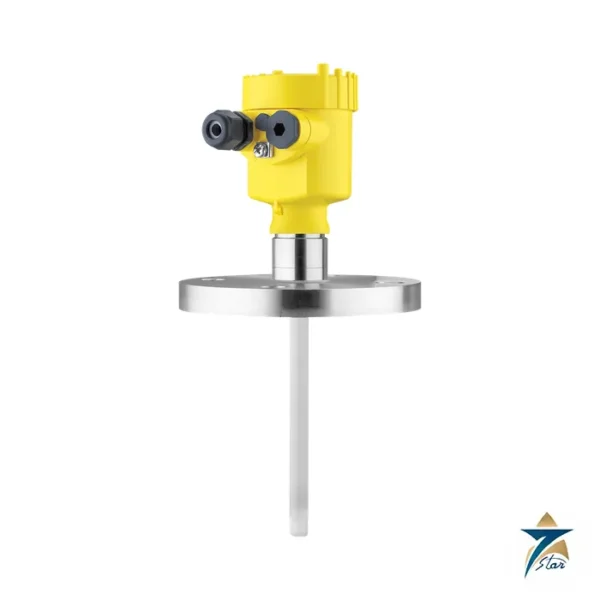
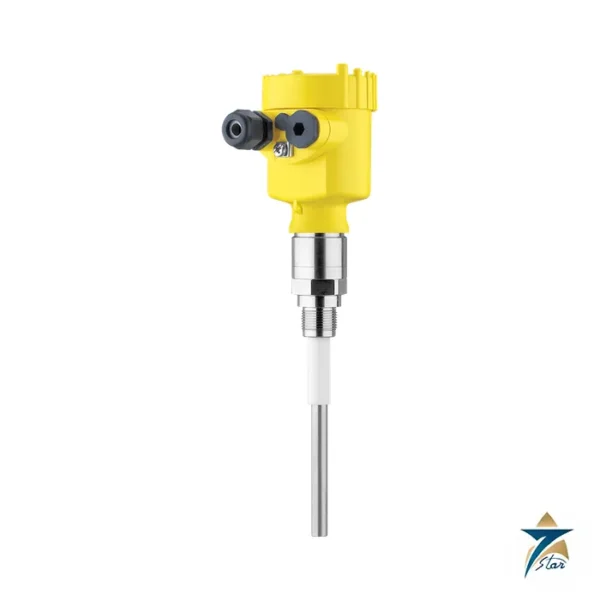
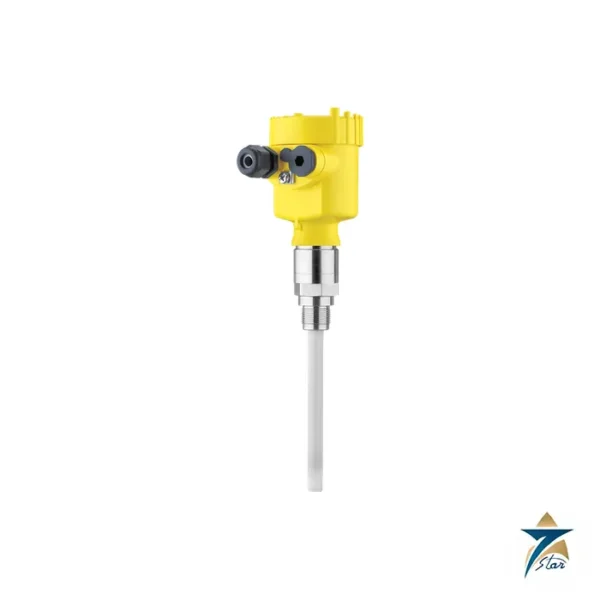
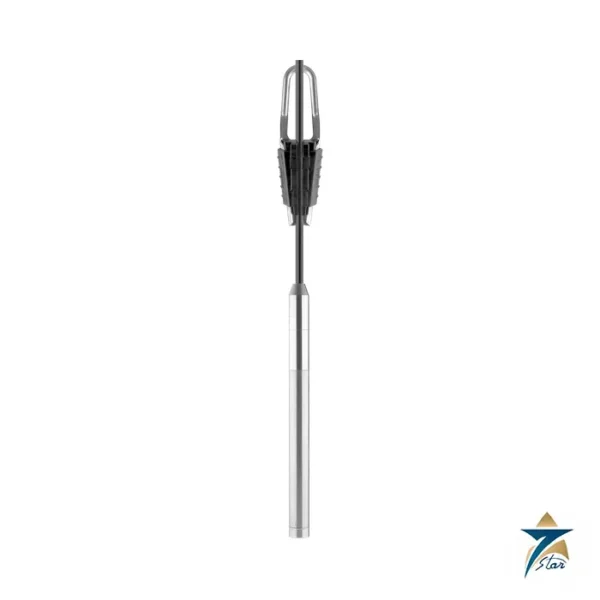
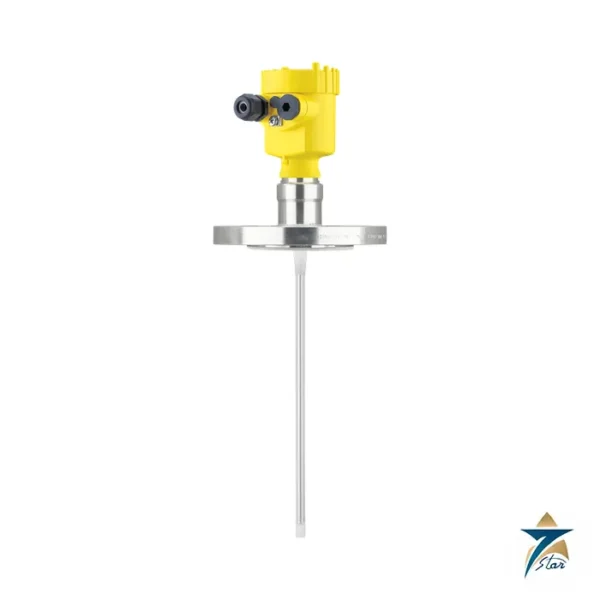
The VEGACAL 67 is VEGA’s capacitive probe for continuous level measurement of bulk solids at high process temperatures. Its ceramic probe insulation and stainless-steel wetted parts allow process temperatures from -50 to +400 °C (752 °F), at pressures from -1 to +16 bar, and it comes both as a rod up to 6 m and as a cable up to 40 m. VEGA describes it as giving precise measuring results in virtually all bulk solids and high-temperature ranges. As general engineering context, hot powders and granulates in kilns, coolers and filter hoppers are where such probes are considered, but the exact medium must be checked against the probe.
Technical specifications
| Parameter |
Specification |
| Type |
VEGACAL 67, capacitive high-temperature probe, rod and cable versions |
| Measuring range, rod |
Up to 6 m (19.69 ft); length 0.28 to 6 m |
| Measuring range, cable |
Up to 40 m (131.23 ft); length 0.5 to 40 m |
| Process fitting |
Thread from G1½, 1½ NPT; flanges |
| Process pressure |
-1…+16 bar (-100…+1600 kPa) |
| Process temperature |
-50…+400 °C (-58…+752 °F) |
| Ambient, storage, transport |
-40…+80 °C (-40…+176 °F) |
| Operating voltage (two-wire sheet) |
12…36 V DC |
| SIL qualification |
Optionally up to SIL2 |
| Wetted parts |
Stainless steel; ceramic probe insulation |
| Electronics |
4…20 mA/HART, Profibus PA, Foundation Fieldbus, or signal conditioning instrument version |
| Housing |
Single- or double-chamber housing in plastic, stainless steel or aluminium, up to IP68 (1 bar) |
Why ceramic insulation
PTFE and FEP coatings stop at 150 to 200 °C, so the ceramic-insulated VEGACAL 67 is the one to specify above that. The rating is lower in pressure (16 bar) than the 64 bar plastic-insulated probes, so it is a vessel-type choice rather than a pressure-type choice. With a 400 °C process the housing and electronics still sit at ambient temperature limits of -40 to +80 °C, so a temperature separation and the installation position in a hot silo roof should be considered; check the operating instructions of the VEGACAL 67 for how housing and electronics temperature relate to the process temperature.
Mounting a high-temperature probe
The general VEGACAL rules apply: ground the probe through a conductive seal and fitting, avoid the filling stream, allow for the material cone at a distance of d/6 from the wall, and check the roof load for the long cable. The sensor is shortenable on site, so one standard length can be stocked. Please send us the temperature, pressure, product and probe length to quote the correct fitting and housing. Because a hot-silo installation also exposes the cable and housing to heat radiated from the roof, mention the wall temperature and any insulation around the nozzle in your enquiry so the correct housing material and cable gland can be confirmed with the manufacturer.
Selection checks for capacitive measurement in hot solids
Capacitive level measurement depends on the electrical properties of the product, so the bulk solid itself is the first thing to examine. Its dielectric behaviour, moisture content and tendency to stick or build up on surfaces all influence how stable the reading will be. A product whose moisture changes from batch to batch, or whose temperature swings widely during the process, may need careful adjustment and periodic review of the calibration. Share a description of the material, its particle size and its typical temperature profile when asking for a quotation, so the suitability of the probe can be judged before purchase.
Also consider the vessel geometry. The rod suits shorter vessels and locations where a rigid probe is practical, while the cable is the logical choice for tall silos. Check the nozzle diameter and height, nearby internals, and whether the material flow during filling or discharge could pull hard on the probe.
Installation and commissioning on site
Before installing the probe, verify the process fitting against the vessel connection and inspect the ceramic insulation for any transport damage, as ceramic can be sensitive to impact. Lift and lower a cable version carefully to avoid kinks. Once mounted, make the electrical connections according to the operating instructions, keeping the signal cable away from heat sources and high-current cabling, and seal the cable entries properly.
Commissioning normally involves setting the empty and full adjustment points. Where the vessel cannot be emptied and filled easily, plan the adjustment with the process team in advance. After start-up, compare the level reading with an independent indication, such as a manual dip or a weighing system, to confirm that it follows the actual product level.
Operating in Oman’s heat, dust and coastal humidity
In GCC plants such as cement works, minerals processing or power stations, the silo roof can become very hot under direct sun, in addition to the heat coming from the process itself. Since the electronics are limited to the stated ambient range, protect the housing from direct sunlight where possible and allow for air movement around it. Fine dust on the roof and around the nozzle should not be allowed to bury the housing, and cable glands and covers should be closed correctly to keep dust and humid sea air out of the electronics compartment.
Maintenance considerations
During planned shutdowns, inspect the probe for heavy build-up, abrasion or mechanical damage and check the grounding path through the fitting. Review the level trend for drift or sudden steps, which can indicate build-up or changes in the product, and repeat the adjustment if the process material has changed significantly.
Documents and quotation
The official VEGA VEGACAL 67 (4…20 mA/HART two-wire) specification sheet (34622-EN, version 160112) is attached to this page for download and covers the technical data, dimensions and wiring summarised above.
To order, send the required version, process data and quantity and we will quote it. We supply from Muscat as an independent company; further level instrumentation is available on this site. Check approvals, materials and the full order code with the maker before committing to a purchase.











Reviews
There are no reviews yet.