A repairable bimetallic trap that stays in the line
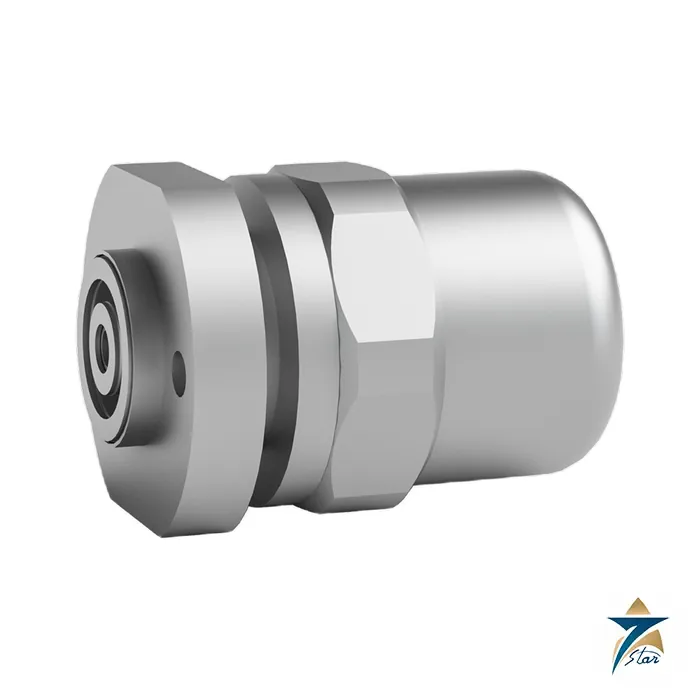
The Armstrong AB-3000 is a bimetallic steam trap in a sealed stainless steel body. It works from the effect of rising temperature on bimetallic elements: as pressure on the valve rises, the elements curve with the temperature rise and compensate, so the trap adjusts itself to changing conditions. Armstrong describes the body as lightweight, compact and highly resistant to corrosion, and unlike many sealed bimetallic traps it is repairable, because body and cap can be unscrewed.
It is piped through the Armstrong 360 degree Universal Connector or a Trap Valve Station (TVS). The trap can be removed while the connector stays in the line, which saves labour, and the same connector can later take other trap types (inverted bucket, thermostatic or thermodynamic). The specification wording in the data sheet is a bimetallic repairable steam trap, type AB-3000, in stainless steel, with integral strainer, and a maximum allowable back pressure of 99% of inlet.
Technical specification
| Parameter |
Specification |
| Type |
Bimetallic, repairable, with integral strainer |
| Maximum allowable pressure (vessel design) |
28 bar @ 343 C (may be derated by flange rating and type) |
| Maximum operating pressure |
22 bar |
| Maximum back pressure |
99% of inlet pressure |
| Capacity ceiling |
1,800 kg/h |
| Body |
ASTM A240 304L |
| Standard connector |
Stainless steel, 304 |
| Valve |
Chrome steel, 440F |
| Seat |
303 stainless steel |
| Elements |
Nickel plated |
| Strainer |
304 stainless steel |
| Connections |
Screwed BSPT and NPT; socketweld; flanged DIN or ANSI (welded) |
| Pipe sizes |
15, 20, 25 mm |
| Regulatory note in the sheet |
All sizes comply with Article 4.3 of the PED (2014/68/UE) |
Dimensions and weights (mm, kg)
| Item |
15 mm |
20 mm |
25 mm |
| C, face to face, screwed and socketweld |
60 |
60 |
N/A |
| CC, face to face, flanged PN40 |
150 |
150 |
160 |
| Weight, flanged PN40 |
4.3 |
4.5 |
4.7 |
The screwed and socketweld trap weighs 1.9 kg (single value printed). Standard flanges are carbon steel; stainless steel flanges are optional, and other flange sizes, ratings and face-to-face dimensions are available on request. The capacity chart distinguishes cold water (curve A) from hot condensate (curve B) across 0.5 to 20 bar.
Selection and ordering
Armstrong asks the buyer to specify the size and type of pipe connection, the maximum working pressure that will be encountered, and the maximum condensate load. Read the capacity curve at the actual differential pressure, and use the hot condensate curve for running load rather than the higher cold-water start-up curve.
- Pipe size: 15, 20 or 25 mm, and note that the sheet shows N/A for the 25 mm screwed and socketweld face-to-face, so confirm that combination before ordering.
- End connection: screwed BSPT or NPT, socketweld, or DIN or ANSI welded flanges (standard flanges carbon steel, stainless optional).
- Mounting: Armstrong 360 degree Universal Connector or Trap Valve Station, so the trap can be swapped without disturbing the pipe.
- Duty: maximum working pressure up to 22 bar and the maximum condensate load, as the sheet requires.
A bimetallic trap opens as it cools, so it normally holds back condensate until it has cooled somewhat below saturation temperature; that general behaviour makes it an option for tracer lines, drip legs and equipment where some subcooling can be tolerated, but not for equipment that must be drained at saturation temperature. The data sheet itself does not state this rule, so treat it as general engineering guidance and confirm with the process engineer.
Typical uses and site notes
Stainless steel construction and 22 bar operating pressure make the AB-3000 a candidate for steam main drips, tracing lines and non-critical drains on outdoor pipe racks at refineries, gas plants and power stations. Armstrong describes the stainless body as highly resistant to corrosion.
Armstrong states no hazardous-area, fire-safe or SIL certification for this trap in the data sheet, so none is claimed. The only compliance statement printed is the PED Article 4.3 remark for all sizes.
What the data sheet says about capacity and weights
The capacity chart in the sheet covers differential pressure from 0.5 to 20 bar, with curve A for cold water and curve B for hot condensate, and a printed ceiling of 1,800 kg/h. The sheet applies one back-pressure limit to the whole range, 99% of the inlet pressure, so the trap can discharge into a pressurised condensate return. The strainer is built in, in 304 stainless steel.
On weights, the sheet gives 1.9 kg for the screwed and socketweld bodies and 4.3, 4.5 and 4.7 kg for the flanged PN40 versions in 15, 20 and 25 mm, so flanging adds roughly 2.4 to 2.8 kg (derived). Flanged face-to-face length is 150 mm for 15 and 20 mm and 160 mm for 25 mm.
Selection and installation notes
Specify a steam trap from the steam pressure, the condensate load and the connection size, and check the body material and the pressure rating against the system. Fit a strainer upstream, a union or flange for easy removal and isolation valves either side, prime the trap with condensate before start-up where the type requires it, and protect it from freezing. Inspect traps on a regular schedule to find failures early, because a failed trap wastes steam or floods the line.
A bimetallic trap adjusts to changing conditions, but it should still be fitted with the flow direction marked on the body and checked after the first period of operation.
Information needed for a quotation
Send the full model code, the quantity, the delivery location in Oman or the GCC, the intended use and any accessories needed, so that the complete package can be quoted together.
Documents and supply information
The manufacturer data sheet is attached to this page and should be read together with the project specification and the site risk assessment before a purchase is confirmed. Ratings, standards and dimensions are quoted as printed on that sheet. Lead time, stock position and certificates available with the shipment are confirmed in the quotation, and we supply to Oman and the wider GCC region for industrial, utility and building services projects.
Documents and related products
The official data sheet (ST-190) is attached to this page. The carbon steel capsule trap for tracer lines is the Armstrong TC-300. Related steam fittings are in pipes and fittings. Seven Star LLC is an independent supplier in Muscat; send the connection size and type, pressure and condensate load and we will confirm the model against manufacturer data before we quote.





Reviews
There are no reviews yet.