Float and thermostatic traps for heat exchange equipment
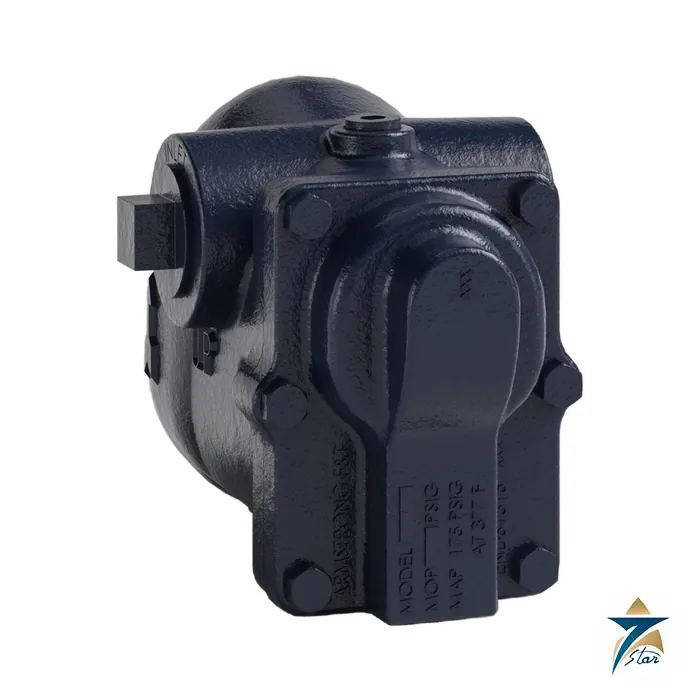
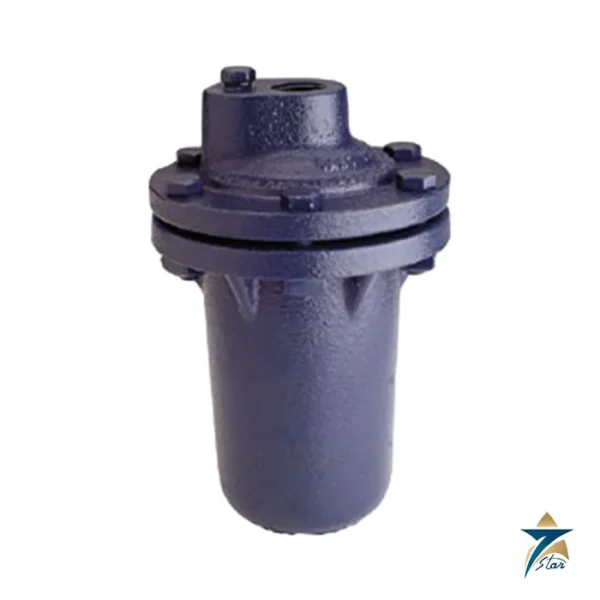
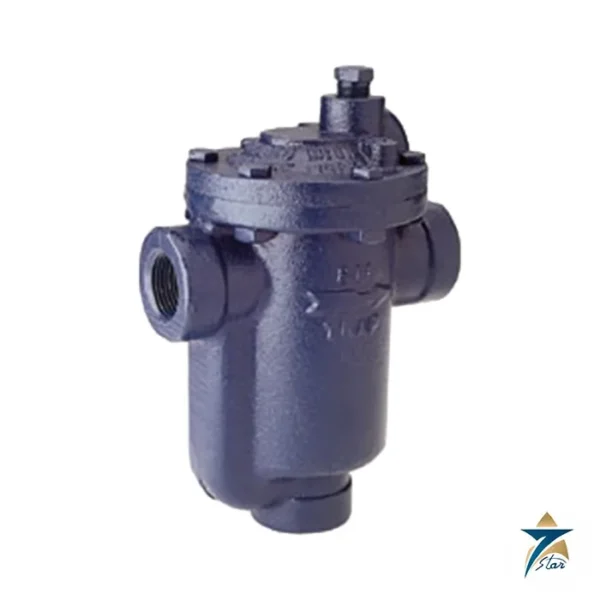
Equipment that heats with steam produces condensate continuously and traps air and non-condensable gases, which cut heat transfer if they are not vented quickly. The Armstrong A and AI Series float and thermostatic (F&T) traps are made for that service. They are industrial cast iron traps for horizontal installation, rated from 0 up to 175 psig (12 bar), with capacities to 8,600 lb/hr (3,900 kg/hr), and each has a balanced-pressure phosphor bronze bellows caged in stainless steel as the thermostatic air vent.
The A Series has the standard side connections; the AI Series carries the same internals with in-line connections for easier piping. Both are for service on heat exchange equipment where air and non-condensable gases need to be vented quickly, according to Armstrong.
Technical specification
| Parameter |
Specification |
| Models |
30-A, 75-A, 125-A, 175-A and the AI equivalents |
| Maximum allowable pressure (vessel design) |
175 psig @ 377 F (12 bar @ 191 C) |
| Maximum operating pressure |
30 psig (2 bar), 75 psig (5 bar), 125 psig (8.5 bar) or 175 psig (12 bar) saturated steam, by model |
| Capacity ceiling |
8,600 lb/hr (3,900 kg/hr) |
| Body and cap |
ASTM A48 Class 30 |
| Internals |
All stainless steel, 304 |
| Valve |
Stainless steel, 440 |
| Seat |
Stainless steel, 303 (ASTM A582); 440F in 1-1/2 in and 2 in |
| Thermostatic air vent |
Stainless steel and bronze, phosphor bronze bellows caged in stainless steel |
| Connections |
Screwed NPT and BSPT |
| Option |
Integral vacuum breaker, suffix VB (3/8 in or 1/2 in NPT, 150 psig or 10 bar maximum service pressure) |
| Certified drawing |
CD #1009 |
Dimensions and weights, in (mm)
| Item |
A, 3/4 |
A, 1 |
A, 1-1/4 |
A, 1-1/2 |
A, 2 |
AI, 1/2 to 1 |
| B, height |
5-1/8 (130) |
5-1/8 (130) |
5-13/16 (148) |
7-7/16 (189) |
9-3/4 (248) |
5-1/2 (140) |
| C, face to face |
4-7/8 (124) |
4-7/8 (124) |
4-5/8 (117) |
5-3/4 (146) |
7-5/8 (194) |
5 (127) |
| D, bottom to centreline |
1 (25.4) |
1 (25.4) |
1-7/32 (31.0) |
1-13/32 (35.7) |
1-11/16 (42.9) |
2-9/16 (65.1) |
| H, width |
6-7/16 (164) |
6-7/8 (164) |
8-1/8 (206) |
8-7/16 (214) |
11-5/8 (295) |
6-1/2 (165) |
| M, centreline to centreline |
3 (76.2) |
3 (76.2) |
3 (76.2) |
4-3/16 (106) |
6 (152) |
– |
| N, top to centreline |
3-3/8 (85.7) |
3-3/8 (85.7) |
3-3/4 (95.2) |
3-3/4 (95.2) |
5 (127) |
3-11/16 (93.7) |
| Weight, lb (kg) |
9-1/2 (4.3) |
8-1/4 (3.7) |
11 (5.0) |
18-3/4 (8.5) |
40 (18.1) |
9-3/4 (4.4) |
The data sheet prints 6-7/8 in with 164 mm for the 1 in A width, a rounding inconsistency; use the certified drawing for exact values. It also warns that cast iron traps should not be used where excessive hydraulic or thermal shock is present.
Selecting a pressure model and connection
Choose the model by maximum operating pressure: 30-A, 75-A, 125-A or 175-A. The code reads pressure, series, connection size and option, as in 75 AI 2 VB, a 75 psig in-line trap with a 1/2 in connection and vacuum breaker. Size codes are 2 for 1/2 in, 3 for 3/4 in, 4 for 1 in, 5 for 1-1/4 in, 6 for 1-1/2 in and 8 for 2 in, with the AI series limited to 1/2 in, 3/4 in and 1 in.
The vacuum breaker option is aimed at heating equipment on modulated control, where vacuum can hold condensate back and freezing or water hammer is a risk. Armstrong carries an explicit caution: do not use a conventional vacuum breaker open to the atmosphere in any system that has a mechanical return carrying less than atmospheric pressure, including vacuum, variable vacuum and subatmospheric returns, unless the breaker is the type loaded to open only well beyond the system design vacuum.
Where the A and AI traps fit
These are workhorse traps for HVAC and process heat exchangers, converters, unit heaters, air handler coils and similar equipment in hospitals, hotels, malls, food plants and industrial buildings fed by boiler steam up to 12 bar. Cast iron is the economical choice for this duty, subject to the shock warning above. For higher pressure or severe conditions consider a stainless trap such as the Armstrong FT-4000, which is rated to 32 bar.
The data sheet states no hazardous-area, fire-safe or other approval for the A and AI traps, so none is claimed here.
Using the size codes and dimensions
The A Series dimension table runs from the 3/4 in body, 130 mm high and 4.3 kg, to the 2 in body, 248 mm high and 18.1 kg, so the largest size weighs about four times the smallest (derived). Face-to-face length grows from 124 mm to 194 mm and the width from 164 mm to 295 mm across the same sizes. The AI in-line body is 140 mm high, 127 mm face to face and 4.4 kg for the 1/2 in to 1 in sizes, which makes it the compact choice where a straight pipe run is wanted.
The four pressure models map directly to the rating: 30-A for 2 bar, 75-A for 5 bar, 125-A for 8.5 bar and 175-A for 12 bar of saturated steam. The vessel design pressure is 12 bar at 191 C for every model, so the model is chosen by the maximum operating pressure that the sheet prints for it. The optional vacuum breaker adds a 3/8 in or 1/2 in NPT connection with a 10 bar maximum service pressure.
Selection and installation notes
Specify a steam trap from the steam pressure, the condensate load and the connection size, and check the body material and the pressure rating against the system. Fit a strainer upstream, a union or flange for easy removal and isolation valves either side, prime the trap with condensate before start-up where the type requires it, and protect it from freezing. Inspect traps on a regular schedule to find failures early, because a failed trap wastes steam or floods the line.
Float and thermostatic traps also vent air, so mount them level in the position shown in the instructions and drain any air or water trapped in the line during commissioning.
Information needed for a quotation
Send the full model code, the quantity, the delivery location in Oman or the GCC, the intended use and any accessories needed, so that the complete package can be quoted together.
Documents and supply information
The manufacturer data sheet is attached to this page and should be read together with the project specification and the site risk assessment before a purchase is confirmed. Ratings, standards and dimensions are quoted as printed on that sheet. Lead time, stock position and certificates available with the shipment are confirmed in the quotation, and we supply to Oman and the wider GCC region for industrial, utility and building services projects.
Documents and quotation
The official data sheet is attached. Related steam fittings are in pipes and fittings. Seven Star LLC is an independent supplier in Muscat; send the pressure model, connection size and option and we will confirm the trap against manufacturer data before we quote.





Reviews
There are no reviews yet.