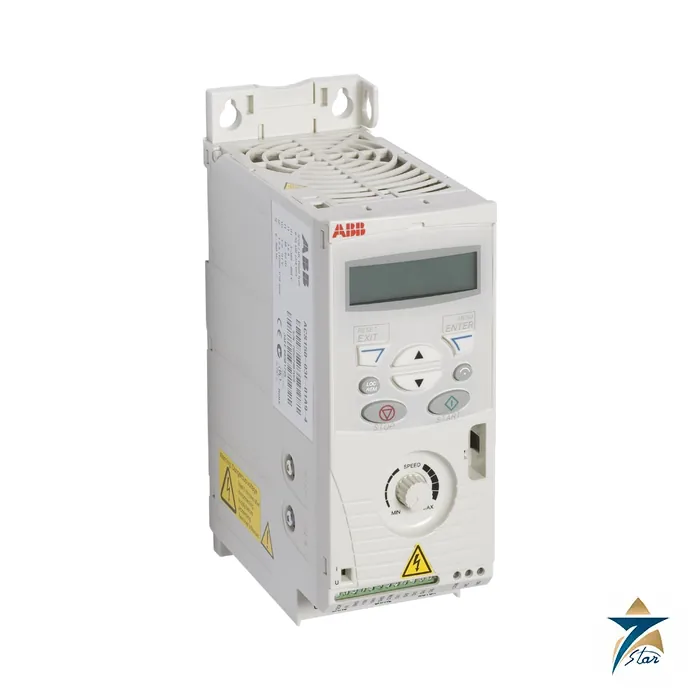
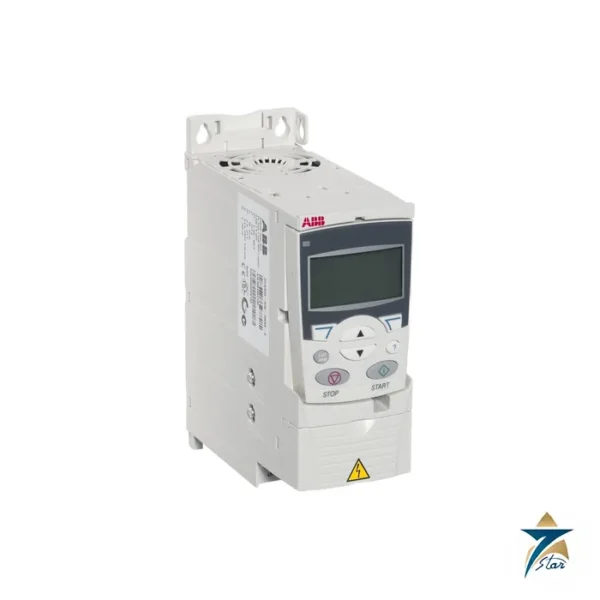
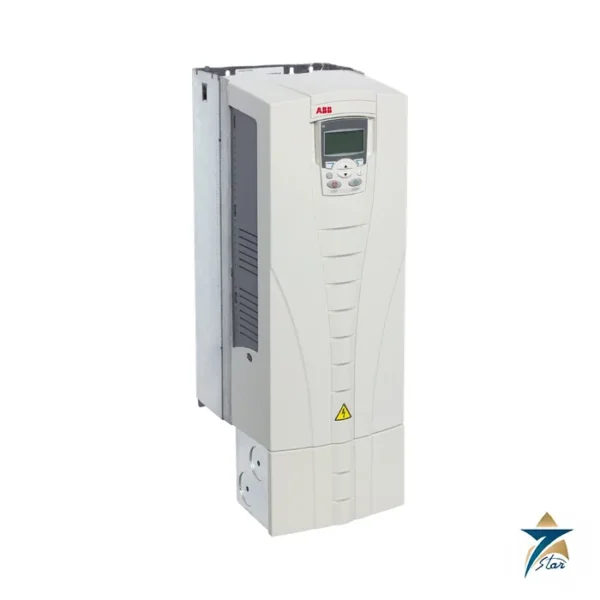
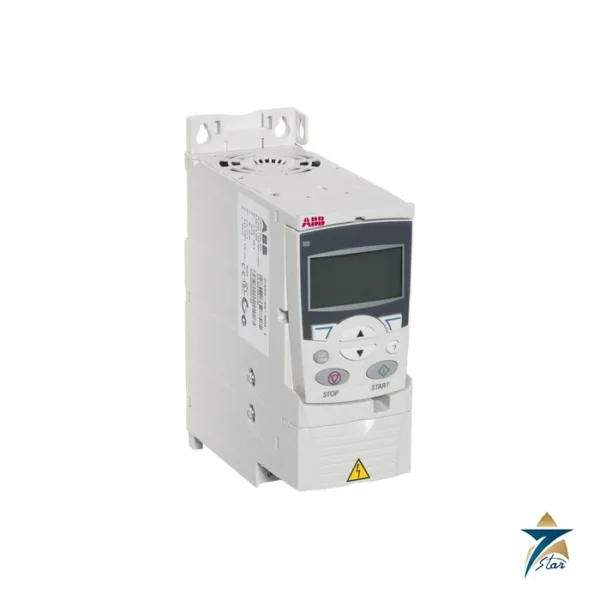
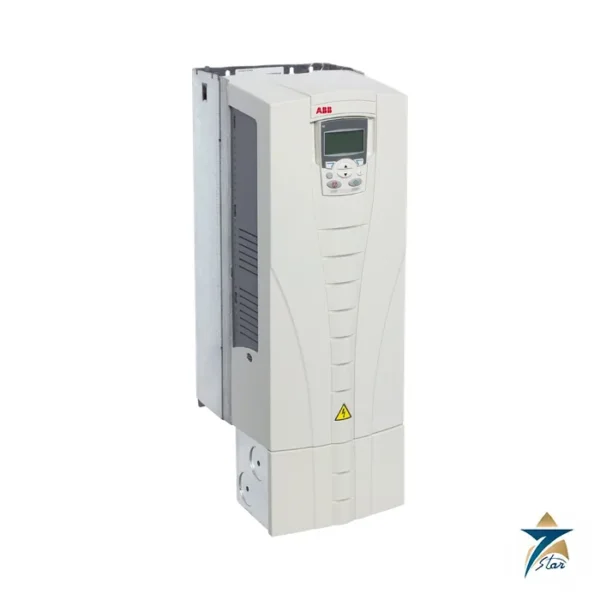
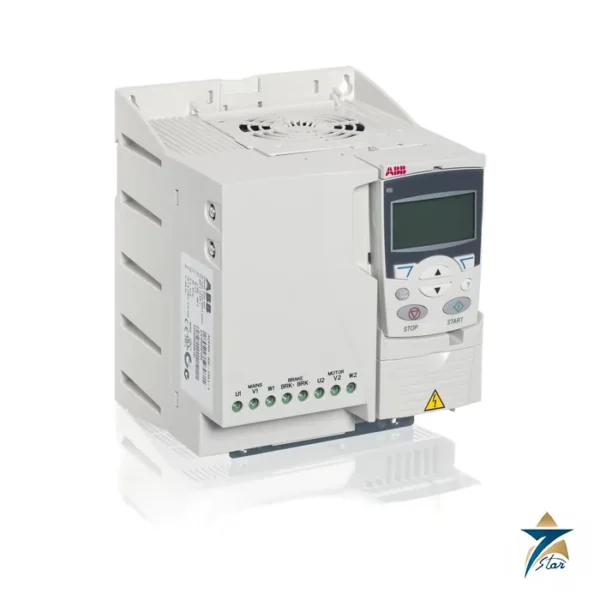
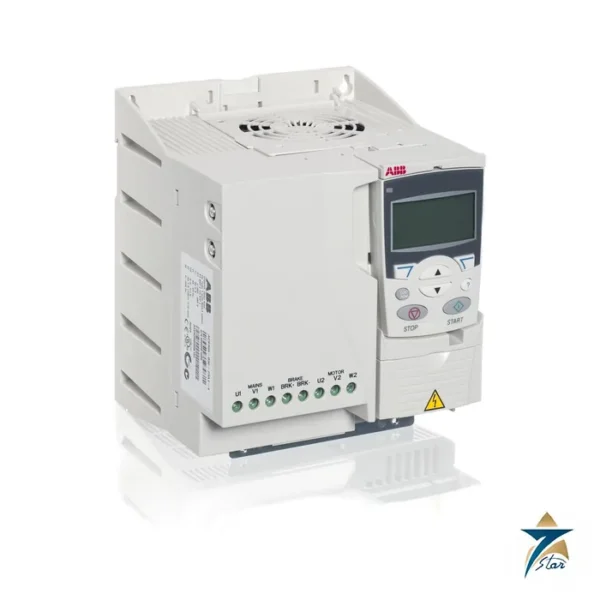
ACS150 micro drive, 2.2 kW on frame R1
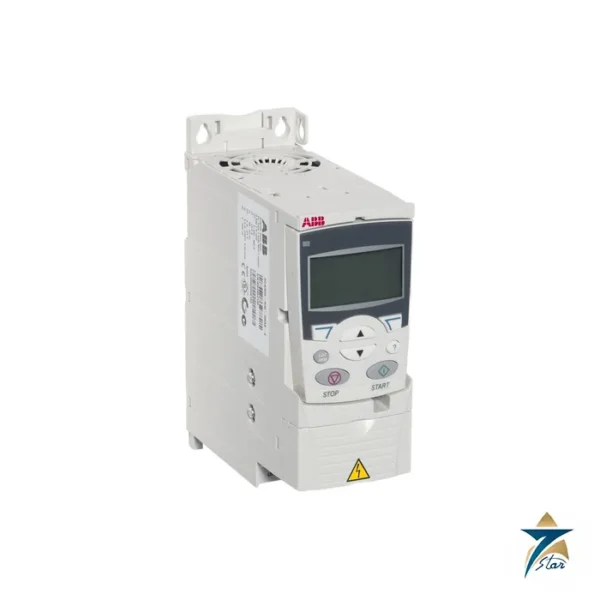
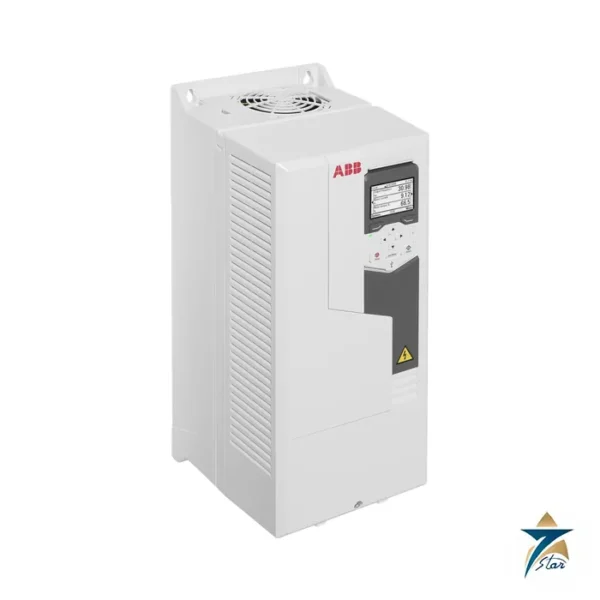
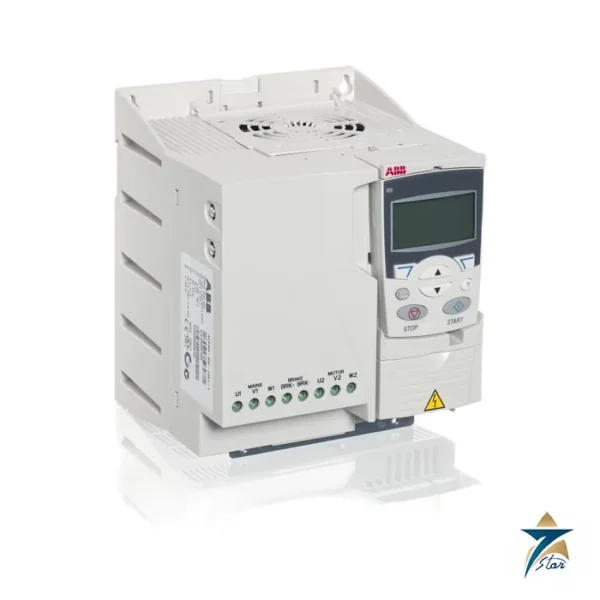
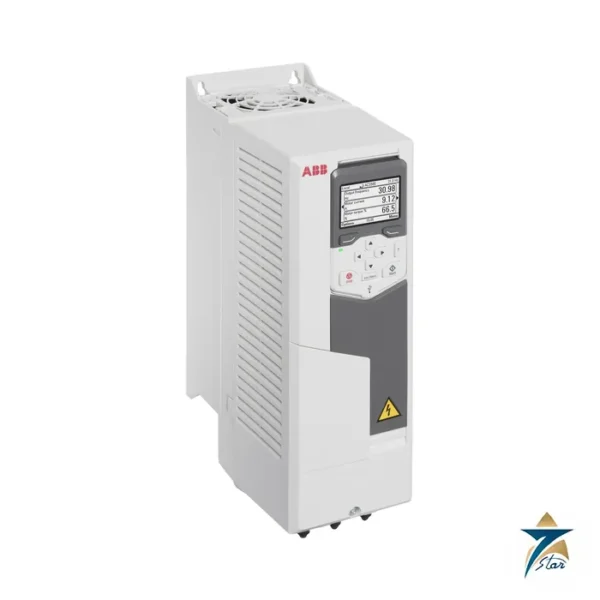
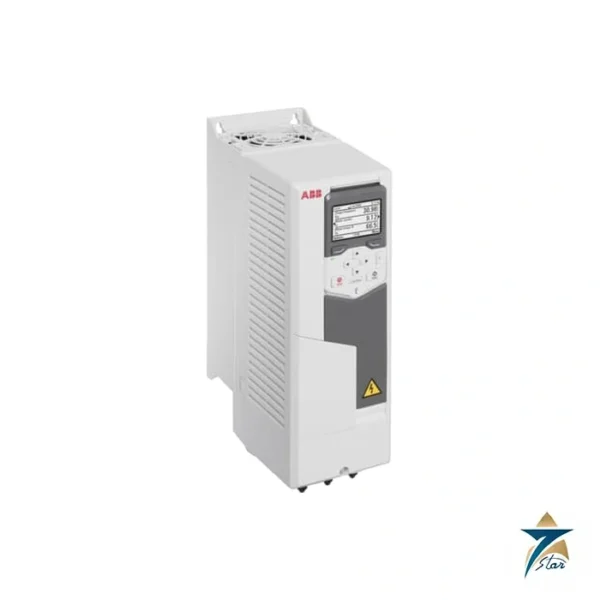
ACS150-03E-05A6-4 is an ABB ACS150 micro drive for three-phase 380 to 480 V supplies. The user manual lists 2.2 kW (3 hp) at 5.6 A output on frame R1, a housing 70 mm wide and 142 mm deep that weighs 1.2 kg in the standard IP20 form. It is the ABB ratings-table match when a small machine motor draws around 5 A.
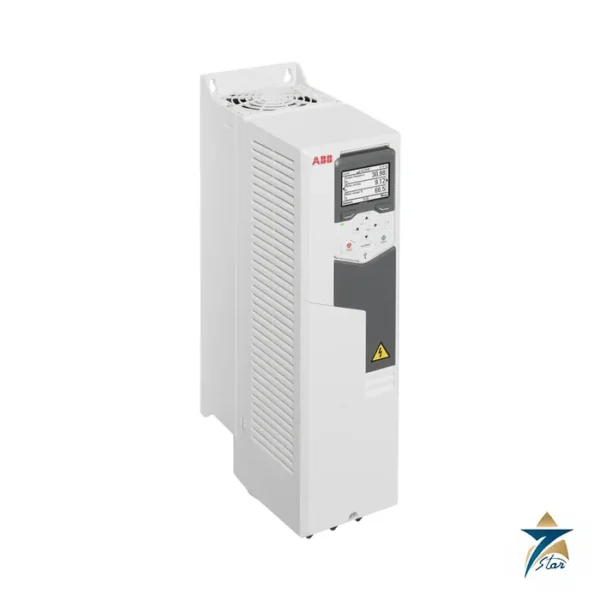
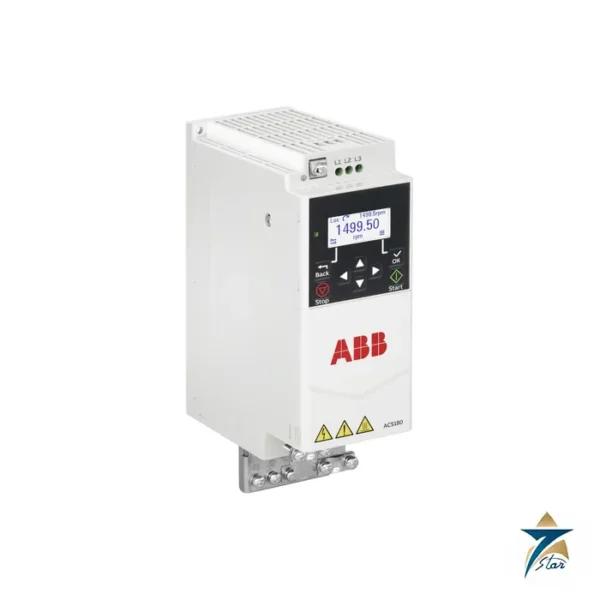
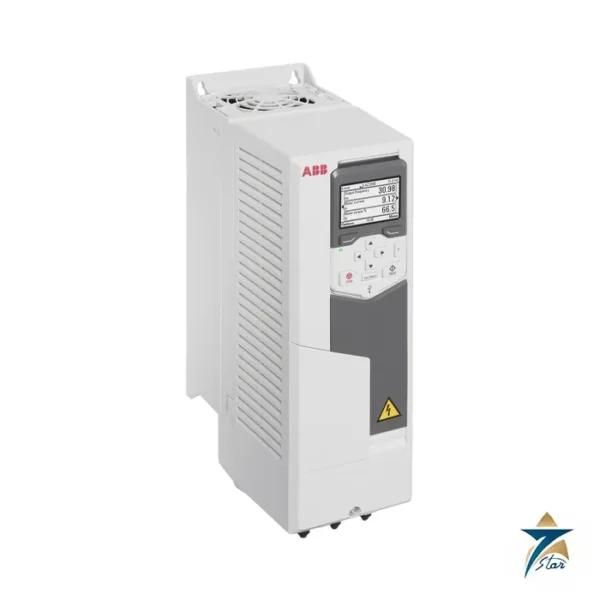
ABB’s product page presents the ACS150 as a drive that can be built into mixers, conveyors, fans and pumps, with an integrated user panel, a potentiometer and preset connection macros that simplify selection and set-up. An optional FlashDrop tool configures several units quickly. Other sizes are in the AC drives category, and ABB’s newer machinery drive is on the ABB ACS180 drive page.
Technical specifications
| Parameter |
Specification |
| Type designation |
ACS150-03E-05A6-4 |
| Series / input / configuration |
ACS150 / 03 = 3-phase / E = EMC filter connected, 50 Hz |
| Supply voltage |
3-phase, 380 to 480 V (code 4), 50/60 Hz +/-5% |
| Frame size |
R1 |
| Typical motor power |
2.2 kW / 3 hp |
| Output current I2N |
5.6 A continuous; 8.4 A for 1 min every 10 min; 9.8 A maximum |
| Input current I1N |
9.6 A without choke (8.0 A at 480 V); 4.8 A with 5% reactor (4.0 A at 480 V) |
| Fuses |
gG 16 A; UL Class T or CC 6 A minimum, 15 A maximum |
| Manual motor protector option |
MS132-10 with S1-M3-25, minimum enclosure volume 18.9 dm3 |
| Cable cross-section |
Supply 2.5 mm2, motor 1.5 mm2, PE 2.5 mm2, brake 2.5 mm2 |
| Heat dissipation / air flow |
61 W main circuit; 19 m3/h (11 ft3/min) |
| Braking resistor data |
Rmin 100 ohm, Rmax 200 ohm, 2.2 kW, braking time 17 s |
| Dimensions IP20 / UL open |
169 x 70 x 142 mm (239 mm with fastenings and clamping plate), 1.2 kg |
| Dimensions IP20 / NEMA 1 |
257 (280 with hood) x 70 x 142 mm, 1.6 kg |
| Noise level / cable length |
52 to 55 dBA / 50 m standard, 100 m with output choke |
| Control / frequency |
Scalar control, 0 to 500 Hz, switching 4, 8, 12 or 16 kHz |
Installation data from the user manual
The drive may be mounted on a wall or in a cabinet. The standard enclosure is IP20 / UL open, so it must sit in a cabinet to meet touch-protection requirements; NEMA 1 is reached with the MUL1-R1 kit, which adds a hood and a connection box. Horizontal mounting is permitted for frame sizes R1 and R2, and the unit contains a cooling fan that frame R0 does not have.
Operating air temperature is -10 to +50 degrees C without frost, with derating above 40 degrees C and above 1000 m, up to 2000 m altitude. Relative humidity is 0 to 95% without condensation. The maximum motor cable is 50 m for frame R1, extended to 100 m with external output chokes. With the internal EMC filter the manual lists 30 m for category C3 in the second environment.
Type code and ordering
Reading the code: ACS150 is the series; 03 means a three-phase input (01 would be single-phase); E means the EMC filter is connected and the frequency is 50 Hz (U means disconnected, 60 Hz); 05A6 is the output current rating in the format xxAy, here 5.6 A; and 4 is the 380 to 480 V range (2 is 200 to 240 V). Neighbouring three-phase 400 V types in the same manual are 04A1-4 (1.5 kW) and 07A3-4 (3 kW).
The shipping label carries the type designation, serial number and the ABB MRP code. Always quote the full designation on your RFQ, because E and U versions differ in filter configuration and frequency.
Cabinet planning for hot Omani sites
Because the manual’s ratings assume 40 °C and derating applies above that, the cabinet design matters as much as the drive choice when the ACS150-03E-05A6-4 is installed in Oman or elsewhere in the GCC. Electrical rooms without air conditioning, outdoor kiosks and rooftop panels can easily exceed the ambient the drive was rated for during summer afternoons. Work out the heat load of the cabinet using the 61 W main circuit loss from the table together with the other devices inside, and choose ventilation, filtered fans or cooling to suit the real site conditions rather than an office temperature.
Leave the free space above and below the drive that the manual specifies so the internal fan can move air through the heatsink, and avoid placing the unit directly above other heat sources such as transformers or power supplies. Where cabinets face the afternoon sun, a sunshade or light-coloured enclosure helps keep internal temperatures down.
Dust, sand and humidity
An IP20 drive relies on its cabinet for protection against airborne sand and dust. Use filtered air inlets, check gaskets on doors and cable entries, and keep cable glands correctly sized so fine dust cannot be drawn in. Near the coast, humidity can rise sharply at night; the manual permits up to 95% without condensation, so consider anti-condensation heating or keeping the drive powered in cabinets that cool quickly after sunset.
Commissioning steps
Before first power-up, confirm that the supply voltage matches the 380 to 480 V rating and that the E or U filter configuration suits the earthing system on site. Check that the fuses and cable sizes match the manual’s values, and that motor and supply cables are routed separately where possible. Measure motor insulation with the drive disconnected, never through the drive.
At power-up, enter the motor nameplate data, select the connection macro that best fits the application, and check the direction of rotation with the motor uncoupled or the machine in a safe state. Set acceleration and deceleration times to suit the load; if the machine has high inertia and decelerates quickly, review whether a braking resistor within the listed resistance range is needed. Record the final parameter set so a replacement drive can be configured the same way.
Maintenance in service
Plan regular inspections that include cleaning dust from the heatsink and fan path, checking cabinet filters, and tightening terminals according to the manual. Listen for changes in fan noise and look for signs of overheating such as discoloured cables or terminals. Keep a log of fault codes from the integrated panel, because repeated overcurrent or overtemperature trips usually point to a mechanical, cabling or ventilation issue that should be corrected rather than reset.
For pumps, fans and conveyors that run continuously in hot seasons, review cabinet temperatures during the peak summer months and adjust maintenance intervals if filters clog faster than expected.
Documents and quotation
The source is the ACS150 drives user’s manual (3AFE68576032 rev. D, 2016), linked from this page. Seven Star LLC supplies the ACS150-03E-05A6-4 on request from Muscat; send the motor nameplate and supply voltage with your RFQ, and availability and lead time are stated in the quotation.
Confirm before ordering: the E or U configuration, motor rated current at your voltage, enclosure need (IP20 or NEMA 1 kit) and the site temperature and altitude, as the manual’s ratings assume 40 degrees C.




Reviews
There are no reviews yet.