Overview
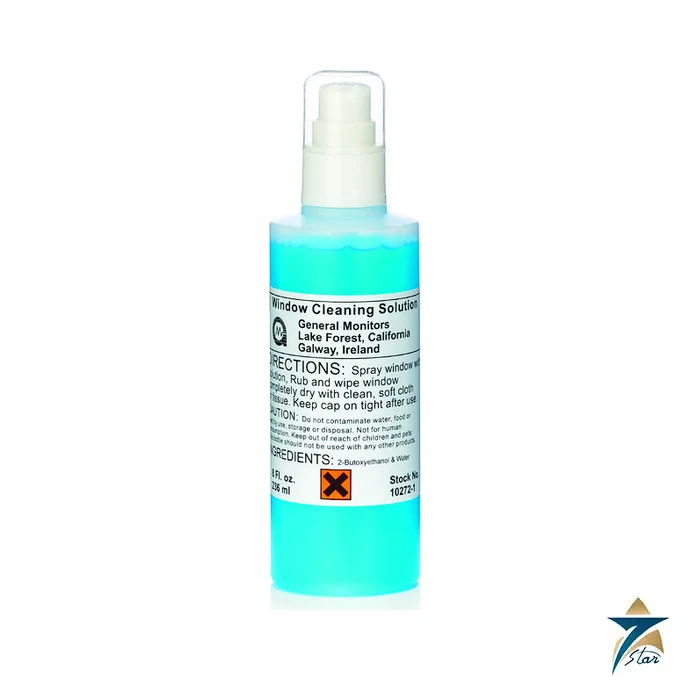
MSA part number 10272-1 is the cleaning solution specified for the optical window of MSA / General Monitors UV/IR flame detectors, including the FL500 UV/IR, FL500-H2 and FlameGard 5 series. MSA documentation identifies it as Industrial Strength Windex® with Ammonia D, which General Monitors lists under part number 10272-1. It is not a chemical formulation made by MSA. MSA assigns a part number to this specific commercial cleaner so that maintenance teams order the approved product.
The optical window of these detectors is made of sapphire, not glass. MSA warns that any other commercial glass cleaner will damage the optical window. Deposits or damage on the window reduce UV and IR transmission, which reduces the detection capability of the flame detector. For this reason, the approved cleaner is part of the documented maintenance procedure for the detector.
Key Features
- Cleaning solution approved by the manufacturer for sapphire optical windows on MSA / General Monitors UV/IR flame detectors
- Identified in MSA documentation as Industrial Strength Windex® with Ammonia D (P/N 10272-1)
- Used to clean both the optical window and the UV/IR reflectors
- Specified to avoid damage to the sapphire window that other glass cleaners can cause
- Ordered under the MSA part number for traceable maintenance records
Technical Specifications
| Parameter |
Value |
| Part number |
10272-1 |
| Product |
Industrial Strength Windex® with Ammonia D |
| Product type |
Optical window cleaning solution |
| Referenced detectors |
FL500 UV/IR, FL500-H2, FlameGard 5 UV/IR flame detectors |
| Window material cleaned |
Sapphire |
| Recommended cleaning interval |
At least every 30 days; more often in dirty environments (per FL500 manual) |
| Package size |
8 fluid ounce bottle |
| Applicability |
Sapphire window of any MSA flame detector, and the COPM reflector |
| Application tool |
Clean, soft, lint-free cloth, tissue or cotton swab wetted with the solution |
| Optical path self-check (COPM) interval on FL500 |
Every 2 minutes |
| COPM fault signalling on FL500 |
2.0 mA analog output, fault relay de-energised, Modbus signal |
| Warranty note |
Windows damaged by other commercial glass cleaners are not covered by the warranty |
Applications
The solution is used in routine maintenance of fixed UV/IR flame detection systems. The FL500 manual gives this procedure: apply the cleaner with a clean, soft, lint-free cloth, tissue or cotton swab, wipe the window dry with a clean cloth without touching the lens, and allow the window and reflectors to air-dry fully. Typical sites include:
- Oil & gas production facilities, gas plants and offshore installations
- Refineries, petrochemical plants and tank farms
- Power generation turbine enclosures and fuel handling areas
- Hydrogen and chemical process areas monitored by UV/IR flame detectors
MSA 10272-1 System Compatibility
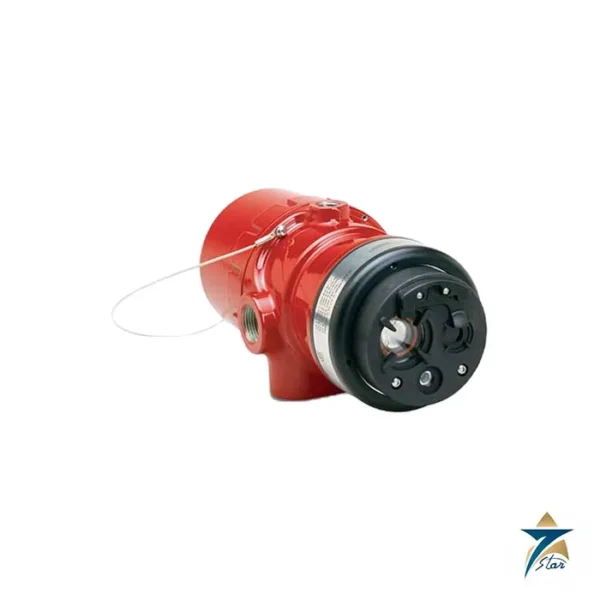
The MSA optical flame detection accessories bulletin describes part number 10272-1 as the factory window cleaning solution, supplied in an 8 fluid ounce bottle. The same bulletin states that it can be used on the sapphire window of any MSA flame detector and that it should also be used on the COPM reflector. The FL500 UV/IR and FL500-H2 operating manual names the same part number as the only cleaner permitted for the optical window.
The reason is tied to the self-test of the detector. On the FL500, Continuous Optical Path Monitoring checks the path from the internal UV and IR sensors through the window every two minutes. If the window is obstructed by dirt, ice or debris on two checks in a row, the detector reports a COPM fault: the analog output goes to 2.0 mA, the fault relay drops out and a Modbus fault is raised. Cleaning the window and reflectors is the first corrective action listed in the manual for that fault.
MSA 10272-1 Maintenance Notes
The FL500 manual gives a three-step procedure. First, wet a clean, soft, lint-free cloth, tissue or cotton swab with the solution and clean the optical window and the UV/IR reflectors. Second, rub the window with a clean dry cloth until it is clear, without touching the lens with fingers. Third, let the window and reflectors air-dry completely.
The manual sets a minimum interval of 30 days and asks for more frequent cleaning, inspection and sensitivity checks where the detector is installed in a dirty area. The detector housing itself is to be wiped only with a damp cloth because of electrostatic charging risk.
Why Seven Star LLC
Seven Star LLC supplies MSA safety detection spares and consumables, including the 10272-1 window cleaning solution, to maintenance and EPC programmes across Oman and the GCC. We check the part number against your detector model before we quote, so that you receive the cleaner the manufacturer specifies and not a generic substitute.
Request a Quote for MSA Safety Window Cleaning Solution 10272-1
Submit a formal inquiry through our RFQ page with the MSA part number 10272-1, the quantity required and the flame detector model(s) on your site. We will confirm availability and respond with a formal quotation.
Related Products
Good Practice When Using the MSA 10272-1 Optical Window Cleaner
The MSA 10272-1 optical window cleaner is only one part of a reliable flame detector maintenance routine. The following practices follow directly from the manufacturer procedure described above and help maintenance teams get consistent results:
- Apply the solution to the cloth, tissue or swab rather than flooding the detector face, so that liquid does not collect around the window seal or the reflectors.
- Use a fresh, lint-free cloth for each detector. A cloth that has picked up sand or grit can scratch coatings and leave deposits that reduce optical transmission.
- Do not touch the window or the lens with bare fingers after cleaning; skin oils leave a film that the detector self-test may interpret as contamination.
- Allow the window and reflectors to dry completely before returning the detector to normal service and confirming that no COPM fault is present.
- Record the date of cleaning against the detector tag number, so that the 30-day minimum interval can be demonstrated during audits.
- Inform the control room before maintenance, and inhibit outputs according to site procedures, so that work on the detector does not cause an unwanted alarm or trip.
In desert and coastal locations in Oman and the GCC, dust, salt spray and hydrocarbon mist build up quickly on detector windows. Many sites therefore clean more often than the minimum interval and combine cleaning with a functional test using the appropriate MSA test lamp. Keep the bottle closed when not in use and follow the label and safety data sheet of the commercial cleaner for storage and handling.











Reviews
There are no reviews yet.