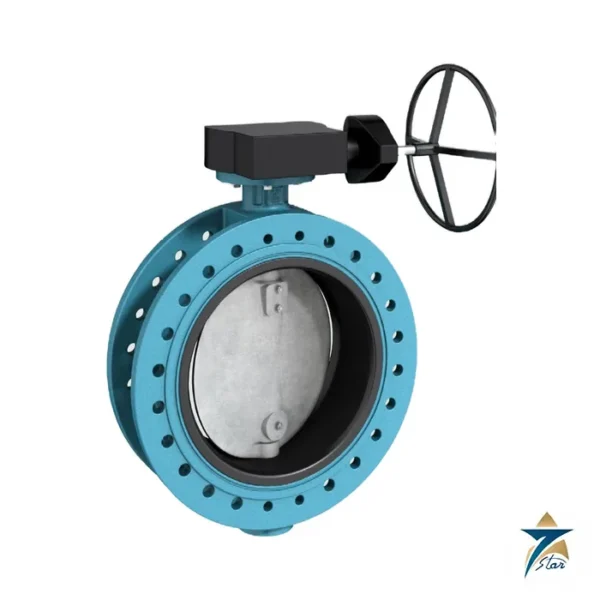
One double flanged valve that fits many world flange standards
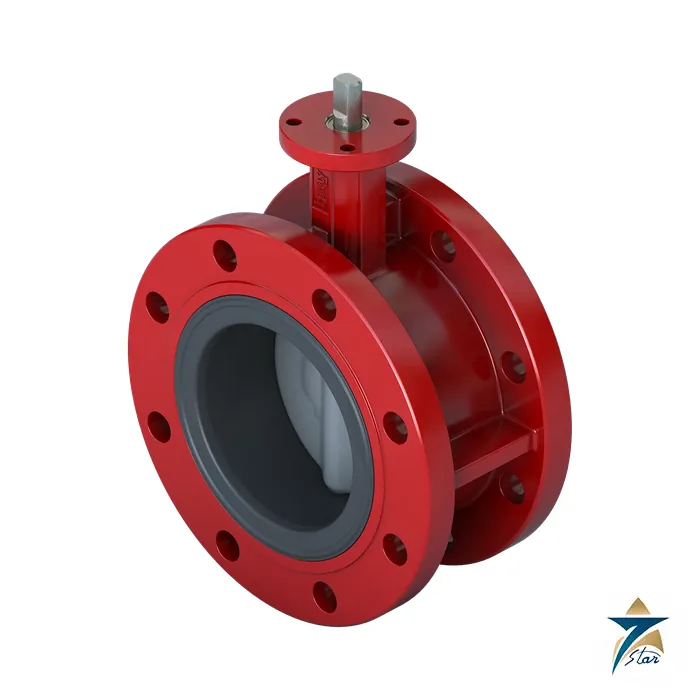
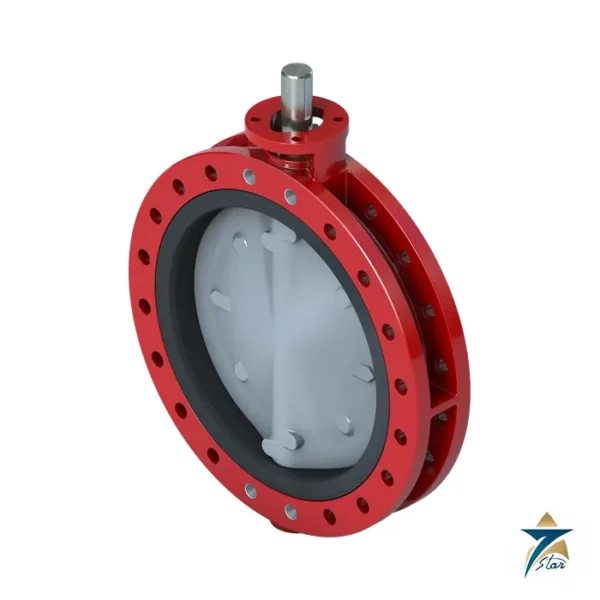
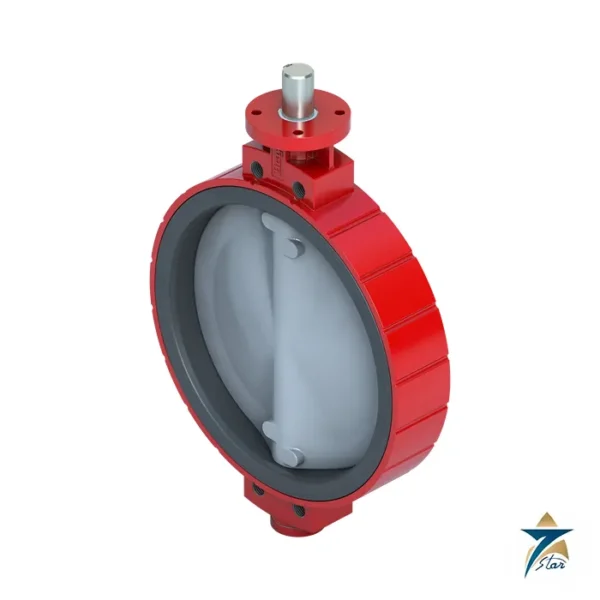
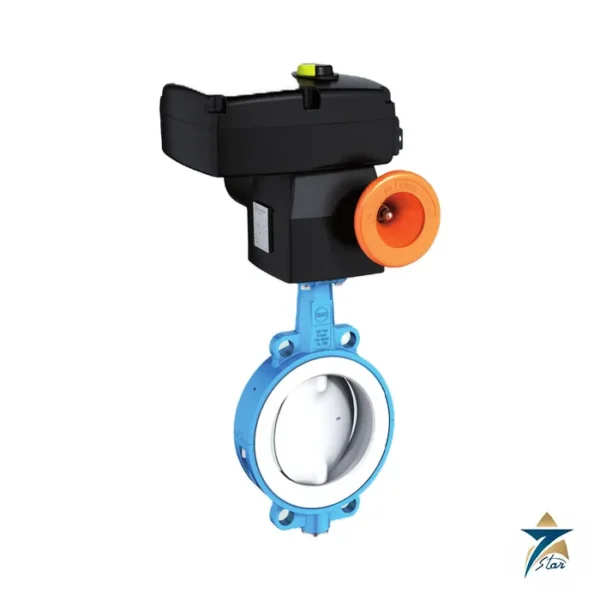
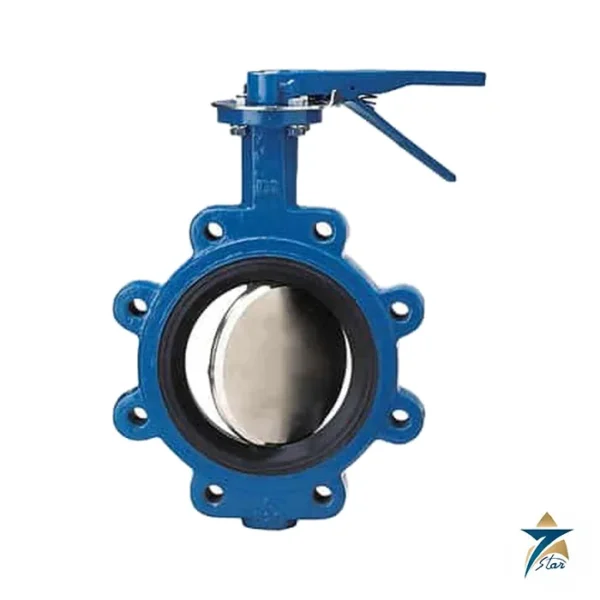
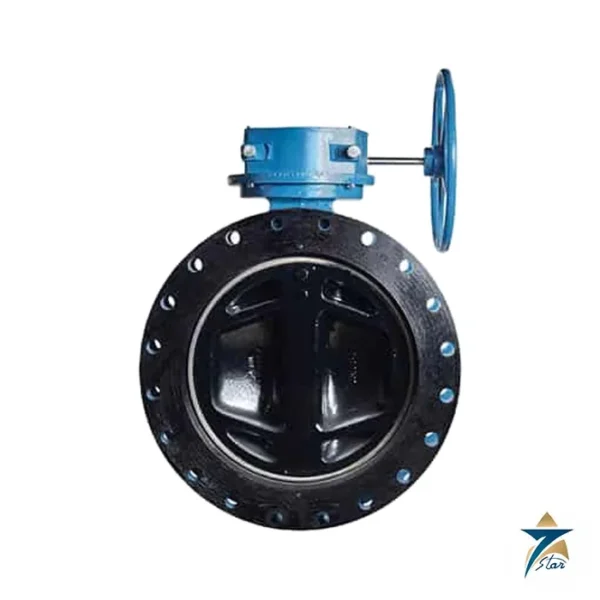
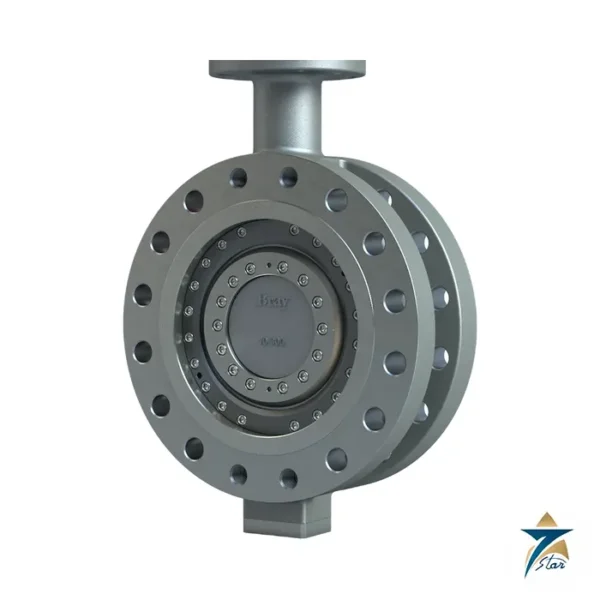
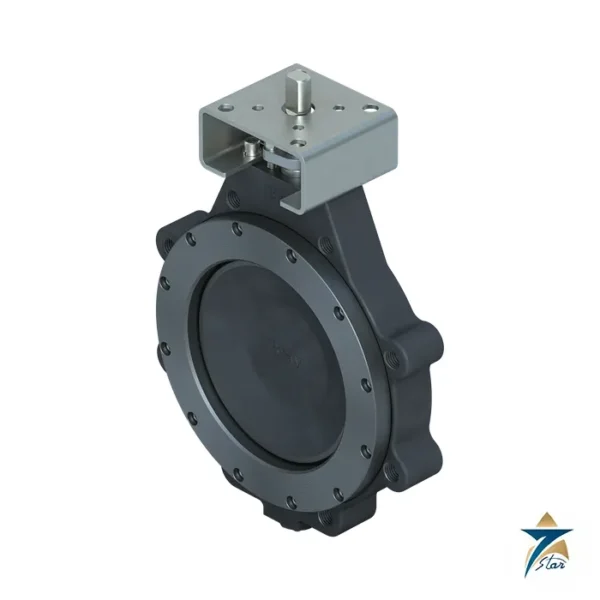
The Bray Series 3A/3AH is a one-piece, double flanged butterfly valve that Bray says can be used for dead-end service and as a replacement for a gate valve. Its main design advantage is international compatibility: the same valve is drilled and tapped for ASME Class 125/150 and PN 16 flanges, and Bray lists compatibility with BS 10 Tables D and E, BS 4504 NP 10/16, DIN ND 10/16, AS 2129 and JIS 10. Face-to-face follows ISO 5752 Table 1, Series 13 (EN 558 Table 2, Series 13), and actuator mounting flanges follow ISO 5211.
Series 3A covers NPS 2 to 20 (DN 50 to 500) at 175 psi (12 bar) up to 12 inch and 150 psi (10.3 bar) from 14 to 20 inch. The Series 3AH is the higher-rated version at 250 psi (17.2 bar) across NPS 2 to 20 and is designed for manual operation only. For low-pressure duty of 50 psi, Bray offers a reduced-diameter standard disc that lowers seating torque, extends seat life and reduces actuator cost.
Technical specifications
| Parameter |
Specification |
| Size range |
NPS 2 to 20 (DN 50 to 500) |
| Series 3A rating |
NPS 2-12: 175 psi (12 bar); NPS 14-20: 150 psi (10.3 bar) |
| Series 3AH rating |
NPS 2-20: 250 psi (17.2 bar); manual operation only |
| Body rating |
250 psi (17.2 bar) |
| Body style |
One-piece, double flanged, extended neck for 2 inch insulation |
| Flange drilling |
ASME Class 125/150, BS 10 D and E, BS 4504 NP 10/16, DIN ND 10/16, AS 2129, JIS 10 |
| Face to face |
ISO 5752 Table 1 Series 13 / EN 558 Table 2 Series 13; recommended specification also cites ISO 5752 Table 2 (short pattern) |
| Body material |
Cast iron or ductile iron (standard); carbon steel; Monel; Halar coated ductile iron |
| Disc |
Nylon 11 coated ductile iron or 316 stainless steel (standard); 304; nickel aluminum bronze; duplex; super duplex; Hastelloy |
| Stem |
416 stainless steel (standard); 304; 316 |
| Seat |
Bonded EPDM or BUNA-N (standard); bonded FKM |
| Stem seal |
Double U-cup, self-adjusting |
| Stem retention |
Stainless steel Spirolox retaining ring, thrust washer, two C-rings (brass; stainless on request) |
| Bushing |
Acetal |
| Velocity limits (on/off) |
Fluids 30 ft/s (9 m/s); gases 175 ft/s (54 m/s) |
| Approvals listed |
SIL, ABS, Bureau Veritas, China Classification Society, DNV |
| Actuator mounting |
ISO 5211 |
| Test |
110 percent of rated pressure |
Source: Bray brochure B-1050 and the Series 3A and 3AH recommended specification sheets. Weights and dimensions are on the separate 3A/3AH sheet.
Why a double flanged body helps
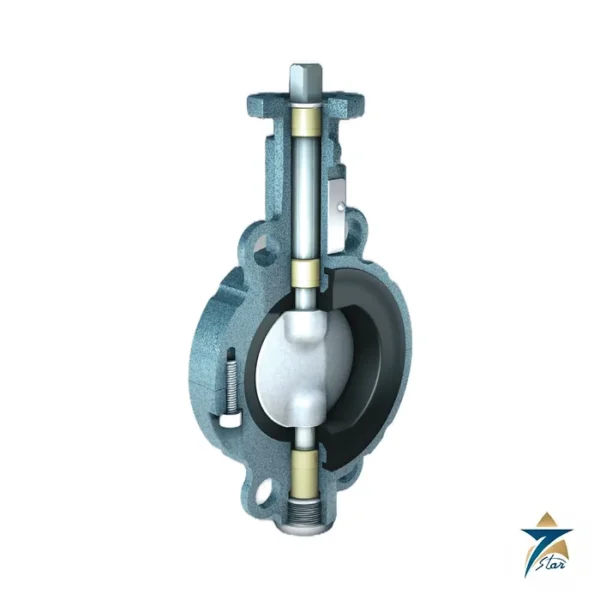
A double flanged body bolts to the pipeline at both faces, which is how the valve is made suitable for dead-end service and for replacing a gate valve in an existing flanged line. A molded seat O-ring removes the need for flange gaskets, and the bonded seat totally encases the body so that only the disc touches the medium.
The precision double-D connection between stem and disc drives the disc without screws or pins, and Bray points out that disassembly is simply a matter of pulling the stem out of the disc.
3A or 3AH and the other resilient seated series
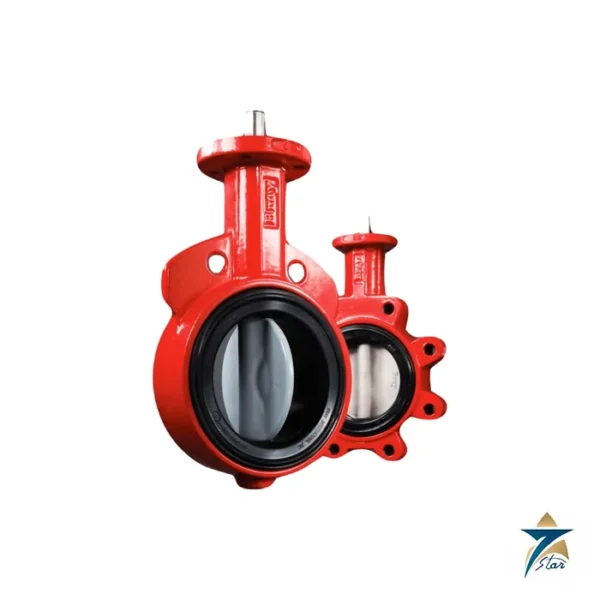
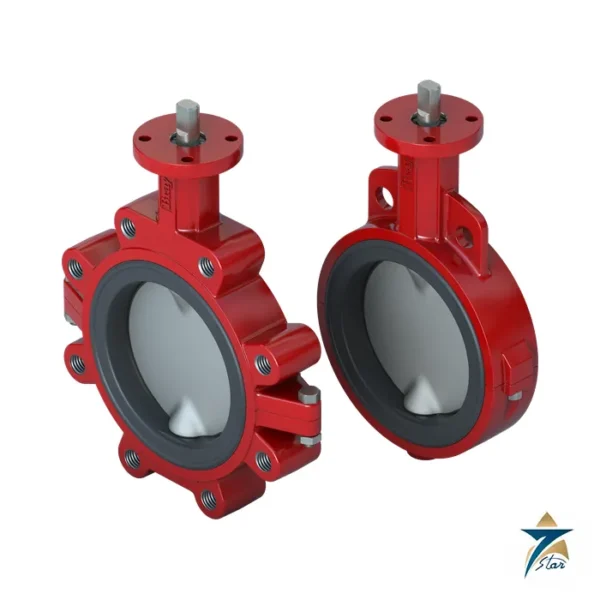
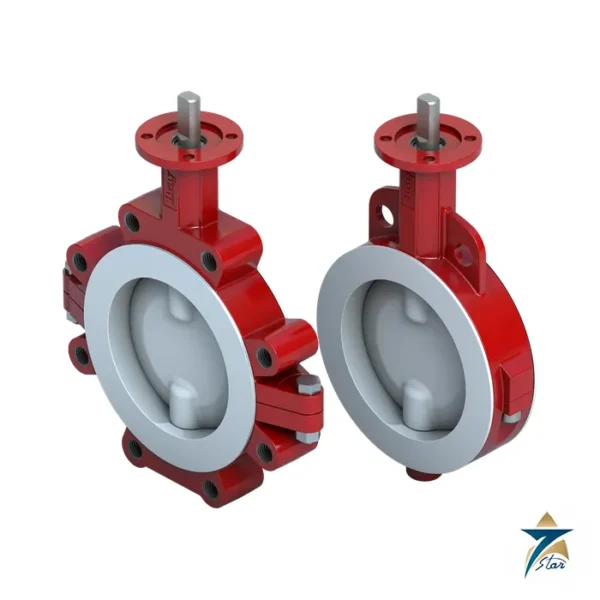
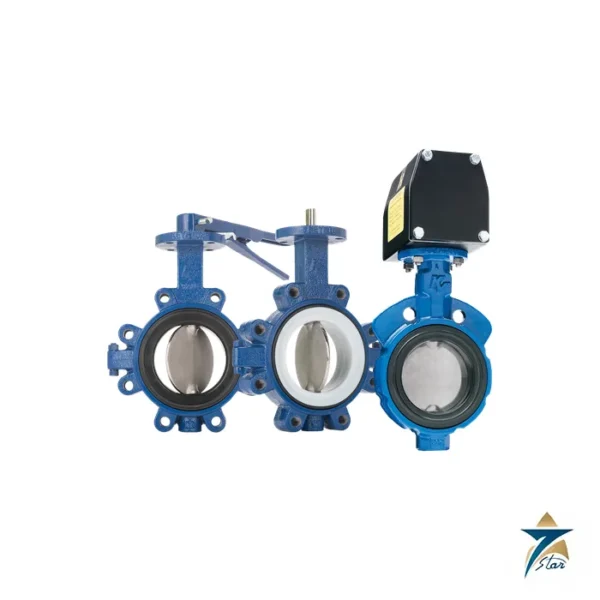
Pick the 3A when an actuator will be fitted and the pressure is within 175 psi; pick the 3AH when 250 psi manual operation is needed. For wafer and lug construction in the same sizes see the Series 20/21 and 30/31, and for fire-protection duty at 285 psi in sizes to 12 inch see the Series 31U. Please confirm flange standard, face-to-face standard, seat material, disc material, medium and operator before ordering.
| Series |
Body |
Size and rating |
| 3A/3AH (this page) |
Double flanged |
NPS 2-20; 175/150 psi (3AH 250 psi) |
| 30/31 |
Wafer / lug |
NPS 2-20; 175/150 psi |
| 31H |
Lug, manual only |
NPS 2-20; 250 psi |
| 31U |
Lug, fire protection |
NPS 2-12; 285 psi |
Selection checks before ordering a 3A or 3AH
Begin with the line itself. Note the flange standard actually installed on site, because the 3A/3AH body is drilled and tapped for several standards and the bolting pattern must still be confirmed against the mating flanges. Record the maximum working pressure, including any surge from pump starts, and compare it with the Series 3A and 3AH ratings in the table above rather than with the body rating alone. Then list the medium, its temperature range and any solids or chemicals, since these decide the seat and disc choice. Where the valve will be automated, confirm the actuator mounting to ISO 5211 and whether the reduced-diameter disc for low-pressure duty is relevant to the application.
It also helps to state whether the valve will sit at the end of a line, because dead-end service is one of the uses Bray describes for this double flanged body, and the downstream arrangement affects how the line is isolated for later work.
Installation in a flanged pipeline
Check that both mating flanges are parallel, aligned and clean before the valve is lifted into place. Because the molded seat O-ring replaces separate flange gaskets, any damage to the seat face during handling can affect sealing, so protect it until the bolts are inserted. Position the disc so it can swing freely without striking adjacent pipe, fittings or lined spool pieces, and tighten the flange bolts evenly in a cross pattern following the manufacturer’s instructions. Support heavy pipework independently so that line loads are not carried through the valve body, and keep the extended neck clear so insulation can be finished neatly around it.
Commissioning and routine maintenance
After installation, cycle the valve slowly through its full travel before the line is pressurised and confirm that the valve opens and closes fully as expected. During the first fill, watch the flange joints and stem area for weeping. In service, a simple routine of periodic operation, visual checks of the stem seal area and confirmation of operator torque helps reveal seat wear or build-up early. Valves left in one position for long periods benefit from being exercised at planned intervals where the process allows. When a seat or disc needs attention, refer to the Bray technical manual listed under the documents for the correct dismantling sequence.
Operating conditions in Oman and the GCC
Plant rooms, pump stations and outdoor pipe racks across the region see high ambient heat, airborne dust and, near the coast, humid salt-laden air. These conditions mainly affect the external parts of the valve and its operator. Keep handwheels, gearboxes and actuator housings shaded where practical, clean dust from exposed stems and indicators during routine rounds, and inspect external paint and fasteners for corrosion on coastal sites. Selecting body, disc and seat materials from the options listed above to suit the medium, and recording the choice clearly on the order, helps the valve perform reliably in these climates.
Documents and quotation
The Bray brochure B-1050 is attached as the datasheet; the page also lists weights and dimensions, a recommended specification and the technical manual for the 3A/3AH.
See the wider range of control and isolation valves on our catalogue, or send the model name and order number for a quotation.

Reviews
There are no reviews yet.