A 1 000 bar hand pump for hydraulic nuts and oil injection
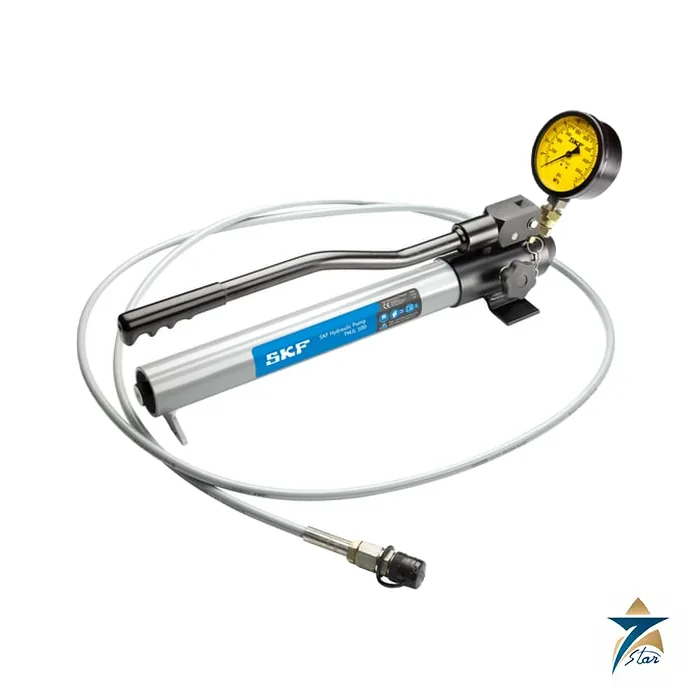
The SKF TMJL 100 is a hand-operated hydraulic pump with a maximum pressure of 100 MPa (14 500 psi) and a large oil container. SKF intends it mainly for hydraulic nuts up to size HMV 92E, for oil injection when mounting or removing rolling bearings, and for bolt tensioners and the hydraulically assisted TMHP series pullers, but it also suits other jobs needing up to 100 MPa. It has an over-pressure valve and a pressure gauge, and the release valve is part of the pump head.
The pump arrives filled with SKF mounting fluid LHMF 300 and comes with an additional 1 litre can of the same fluid, a 3 metre high pressure hose with a quick connection coupling and the mating G 1/4 quick connection nipple, all packed in a sturdy case.
Technical specifications
| Parameter |
Specification |
| Maximum pressure |
100 MPa (1 000 bar, 14 500 psi) |
| Volume per stroke |
1 cm3 (0.06 in3), as printed in the instructions |
| Oil container capacity |
800 cm3 (49 in3) |
| Handle force at 100 MPa |
320 N (70 lbf) |
| Pressure hose |
3 m (10 ft) with quick connection coupling |
| Connection nipple |
G 1/4, external or internal thread |
| Oil viscosity of supplied fluid |
300 mm2/s (1 400 SUS) at 20 C |
| Pressure gauge |
Yes, analogue |
| Weight, filled with oil |
13 kg (29 lb) |
| Dimensions (W x L x H) |
140 x 635 x 195 mm |
| Case dimensions |
715 x 280 x 355 mm |
| Operating temperature range |
10 to 35 C |
| Suitable for HMV hydraulic nuts |
HMV 9 to 92 |
Operating and safety points from the instructions
SKF recommends oil of about 300 mm2/s for mounting bearings with the oil injection method or with a hydraulic nut, and about 900 mm2/s for dismounting. Use clean recommended hydraulic oils such as LHMF 300 or LHDF 900, never glycerin or water-based fluids. Remove all air from the system before pressurising, do not extend the handle to reduce the force needed, do not adjust safety valves above the maximum working pressure, and do not use accessories rated below the pump pressure. Hoses must not be kinked or damaged. Only competent personnel should operate the equipment.
Where it fits and what to confirm
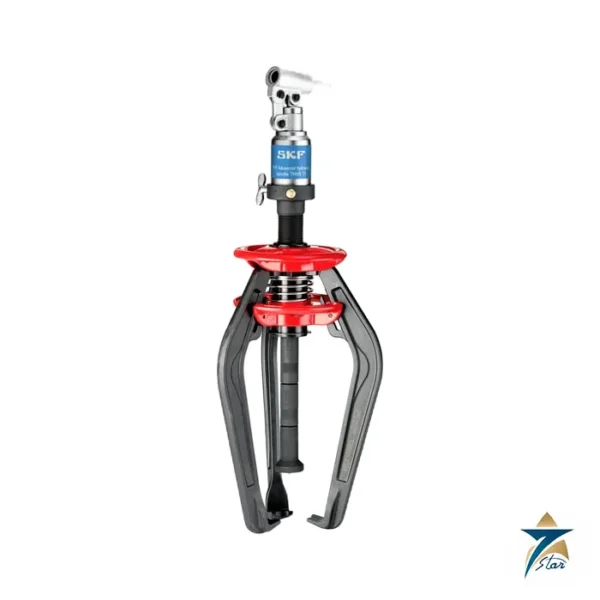
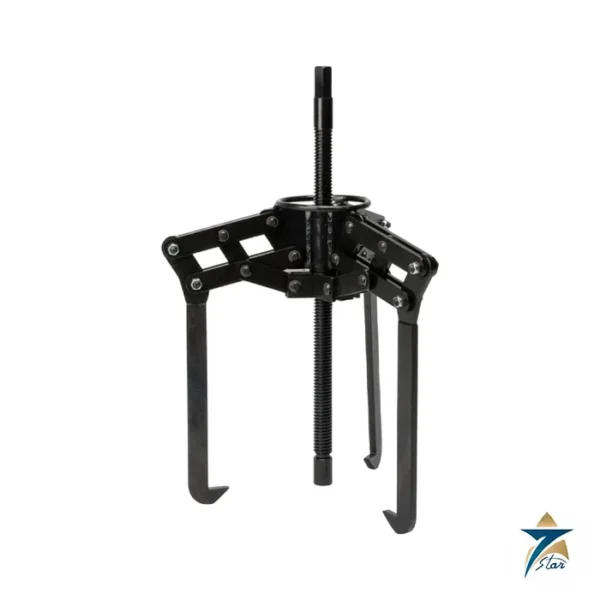
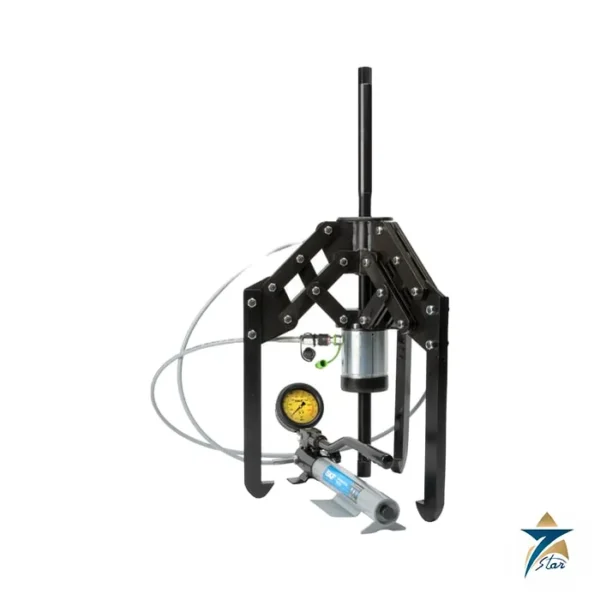
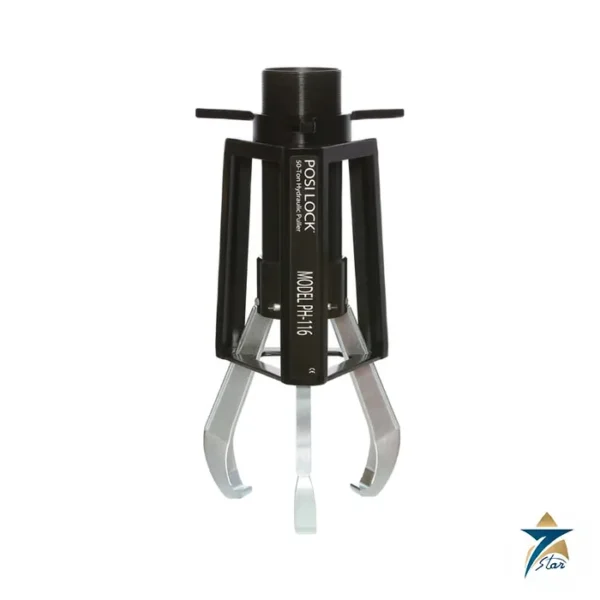
The pump is the hydraulic supply behind tools such as the
SKF TMHP pullers.
. Confirm the connection thread of your tool, the pressure rating of every accessory and the fluid to be used. The SKF product page lists the volume per stroke differently from the instructions, so this page quotes the instructions. Similar tools are under
Electric Motors.
Keep the oil clean: replace it as the manual describes, make sure no air is trapped after maintenance, and keep the hose ends protected. Store the pump upright in its case within the 10 to 40 C storage range given on the SKF product page. A pump that has been dropped or whose gauge reads unsteadily should be serviced by a qualified hydraulic technician or SKF repair centre before the next job, as the manual requires.
Choosing a hand pump for bearing work
A hand pump is the simplest hydraulic source for bearing maintenance: no electrical supply, no compressed air, and fine control of pressure through each stroke. The TMJL 100 makes sense when a workshop or field crew regularly mounts and dismounts bearings on tapered seats with hydraulic nuts, uses the oil injection method on large interference fits, or runs hydraulically assisted pullers. The large oil container matters on bigger hydraulic nuts, where a small pump would need refilling partway through a job. Before selecting it, check that every tool in the circuit is rated for the full pump pressure and that the connection threads match the G 1/4 nipple supplied.
Setting up a job
Prepare a clean work area, because dirt in the hydraulic circuit damages seals and valves in both the pump and the tool. Fill or top up with the recommended fluid for the task: the lower-viscosity oil for mounting and the higher-viscosity oil for dismounting, as described in the instructions. Connect the hose to the tool, bleed all air from the system, and position the pump so the operator can read the gauge without leaning over the tool. Build pressure steadily while watching both the gauge and the movement of the nut or bearing. If the pressure climbs without movement, stop and investigate rather than pushing harder, since the over-pressure valve is a protection, not a working limit. Release pressure with the valve in the pump head before disconnecting anything.
Care between jobs
After use, wipe the pump and hose, fit protection on the quick connection ends, and return everything to the case. Inspect the hose along its length for kinks, abrasion or bulging and replace it if any damage appears. Keep the gauge protected from knocks, as a gauge that reads unsteadily is a reason for service according to the manual. Change the oil when it becomes contaminated or discoloured, and keep a short log of jobs, fluid changes and any servicing so the condition of the pump is known when it is next needed.
Using it in GCC workshops and sites
The listed operating temperature range is narrower than the conditions many outdoor sites in Oman see during summer, so plan bearing work in shaded or air-conditioned workshops, or schedule outdoor jobs for cooler hours. Heat changes oil viscosity and therefore how the pump and tool behave, and direct sun can make the pump body and hose uncomfortably hot to handle. Dust is the other enemy: keep the oil filler closed, cap couplings when they are not connected, and store the case indoors.
Information for a quotation
When requesting a price, give the quantity and delivery point, and list the hydraulic nuts, pullers or oil injection tools the pump will serve so compatibility of pressure ratings and connections can be checked against the instructions. Say whether additional mounting or dismounting fluid should be quoted.
If the pump will be shared between several sites or crews, mention that too, so the quotation and the accompanying documents reflect how the equipment will actually be used and maintained.
Documents and quotation
The SKF instructions for use (multilingual, English on pages 2 to 6) are attached. Send quantity and delivery point for a quotation.






Reviews
There are no reviews yet.