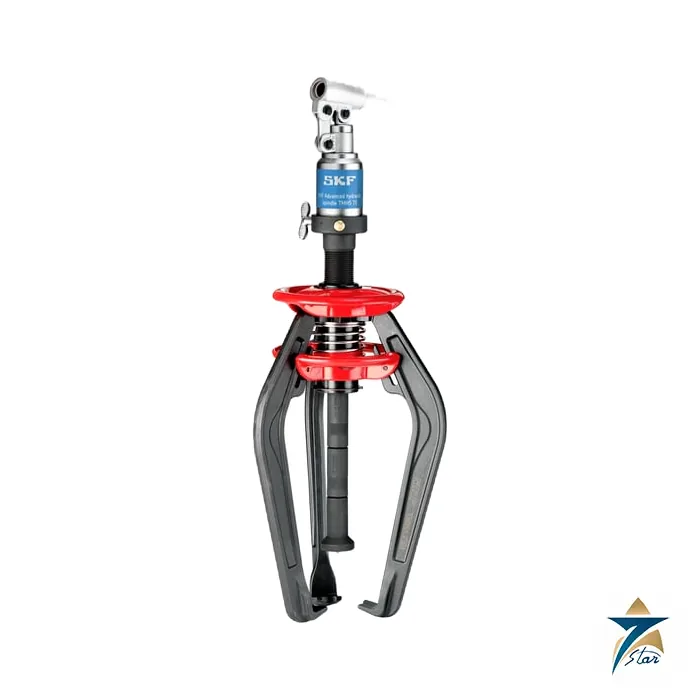
A self-contained hydraulic puller with spring-operated arms
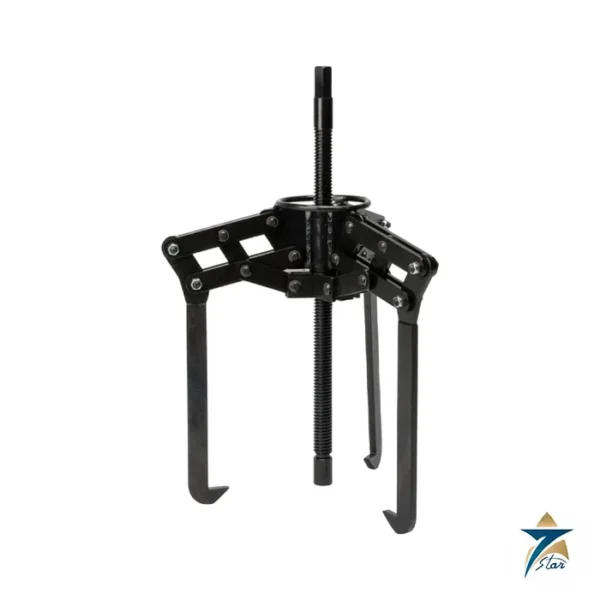
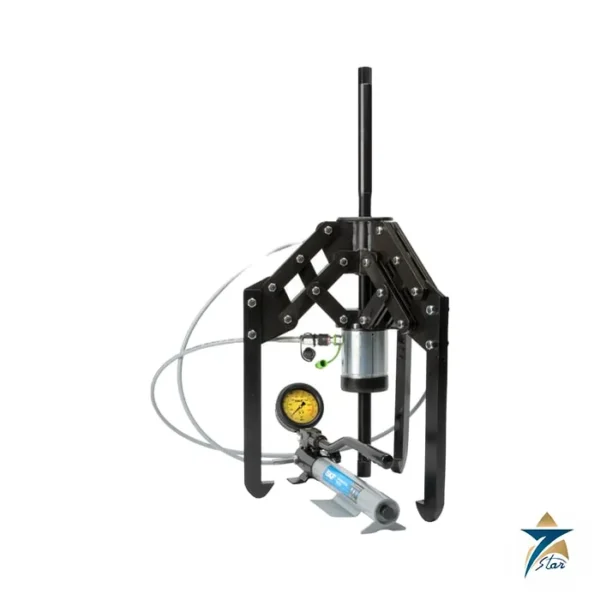
The SKF TMMA 75H is the 75 kN hydraulic version of the patented SKF EasyPull. Its spring-operated arms open with the red rings so that the puller can be placed behind the component in one movement, and the arms are self-locking to help prevent slipping under load. The hydraulic cylinder, pump and puller are integrated, so there is nothing to assemble and no separate parts to buy.
A safety valve prevents the spindle and the puller from being overloaded if excessive force is applied, and the spring-loaded centre point on the hydraulic spindle centres the puller on the shaft without damaging it. The TMMA 75H has a maximum stroke of 75 mm and is supplied with extension pieces and one nosepiece. SKF positions it for dismounting jobs requiring less force than the 100 kN TMMA 100H.
Technical specifications
| Parameter |
Specification |
| Maximum withdrawal force |
75 kN (8.4 US ton) |
| Maximum stroke |
75 mm |
| Width of grip, external, minimum |
52 mm (2 in.) |
| Width of grip, external, maximum |
200 mm (7.8 in.) |
| Effective arm length |
200 mm (7.8 in.) |
| Claw height |
9.8 mm (0.39 in.) |
| Hydraulic spindle |
TMHS 75 |
| Total weight |
7.0 kg (15.4 lb) |
| Supplied with |
Extension pieces and one nosepiece |
| Accessories |
TMMS 50 and TMMS 100 tri-section pulling plates and TMMX protection blankets; see the leaflet accessory table |
Sets and accessories
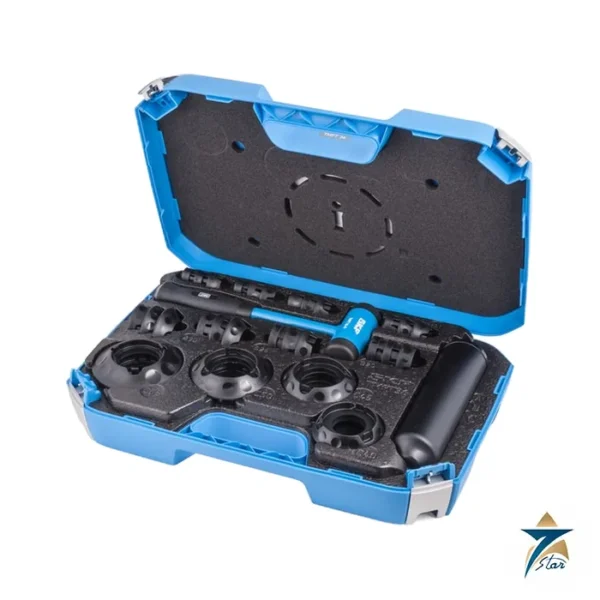
The complete bearing dismounting solution is the TMMA 75H/SET: the puller plus a TMMS 100 tri-section pulling plate and a TMMX 280 protection blanket in a custom case of 600 x 235 x 225 mm, with a total weight of 15.0 kg. SKF says the set is especially suitable for spherical roller and CARB toroidal bearings and for pulleys and flywheels. The transparent TMMX blanket lets the user follow the job while helping to protect against flying fragments. Tri-section TMMS plates cover shaft diameters from 50 to 380 mm across the five sizes.
Choosing a puller
Match the width of grip, arm length and force to the part. For a larger component the leaflet lists the TMMA 100H at 100 kN with an 80 mm stroke, and mechanical TMMA 60, 80 and 120 models at 60, 80 and 120 kN. Dismounting with force still carries risk, so wear eye protection and use a blanket. A heavier jaw-puller family is also listed, see our Electric Motors category. Before ordering, check the part diameter, the space behind it and whether you want the loose puller or the SET.
When using any puller, centre the spindle on the shaft end, make sure the claws grip the inner ring or a strong adjacent component rather than the outer ring, and apply force slowly while watching for any tilt. If a bearing does not move, stop and consider heat or oil injection instead of increasing force. Keep bystanders clear, and use a protection blanket when pulling brittle or highly stressed parts.
Preparing a dismounting job with the TMMA 75H
Good preparation makes a pulling job safer and shorter. Isolate and lock out the machine, remove guards, covers and any locking devices on the shaft, and clean the area around the component so that the claws can seat fully. Measure the outside diameter of the part and the free space behind it, and compare them with the 52 to 200 mm grip range and the 200 mm effective arm length before bringing the puller to the job.
Check the length of shaft that projects beyond the component. If the hydraulic spindle cannot reach the shaft end, or the 75 mm stroke will not be enough to free the part in one pull, plan to use the supplied extension pieces and to reset the puller part way through the job. Lightly oil the shaft surface the bearing or pulley must travel over, where this is practical.
Positioning and pulling step by step
Open the spring-operated arms with the red rings, place the puller over the component and let the arms close behind it so that all claws sit evenly. Bring the spring-loaded centre point to the shaft centre, then check from two sides that the puller is square to the shaft before applying pressure.
Operate the hydraulic pump with steady strokes and watch the component, not only the puller. Movement should begin smoothly; if the puller tilts, one arm loses grip or the component does not move as force rises, stop, release pressure and reassess rather than pushing towards the safety valve limit. Once the part is free, support it so it cannot drop onto the floor or the operator’s feet.
Using hydraulic pullers in GCC workshops and on site
Maintenance work in Oman often happens at pump stations, conveyors and fans exposed to heat, sand and humidity. Sand on the shaft or in the claws can scratch surfaces and prevent a secure grip, so wipe parts clean before pulling. Avoid leaving the tool in direct summer sun on a vehicle bed or platform before use; very hot hydraulic components and metal surfaces are uncomfortable to handle and can affect how the tool behaves.
After work in a dusty or humid location, clean the puller, dry it and store it in a covered place. Coastal air can encourage corrosion on exposed steel parts if the tool is put away wet.
Care and inspection between jobs
Before each use, inspect the arms, claws and spindle for cracks, deformation or damage, and check for any hydraulic oil leakage. Do not use a puller that shows damage or has been overloaded. Follow the SKF instructions for maintenance and keep the extension pieces, nosepiece and leaflet together with the tool so the full kit is ready for the next job.
Keep a simple record of each dismounting job, noting the bearing, the shaft and any difficulty met, so the next team on that machine can plan the work with the TMMA 75H more easily.
Documents and quotation
The SKF leaflet is attached. Send the code (TMMA 75H or TMMA 75H/SET), quantity and delivery point, and we will quote.

Reviews
There are no reviews yet.