- Vibration Monitoring
- Industrial Communications
- PLC & I/O Cards
- AC Drives
- Automation Accessories
- Controllers & Data Acquisition
- Industrial Computers
- Encoders
- Safety Switches & Guard Locking
- CCTV & Security
- Isolator & Barrier
- Motor Soft Starters
- HMI Displays
- Pneumatic Cylinders
- Automation Software
- Servo Drives
- Robotics
- Machine Vision
Sensors & Transmitters
Photoelectric Sensors
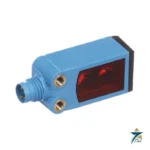
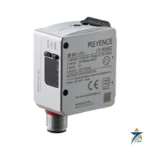
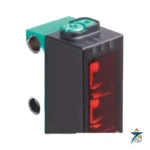
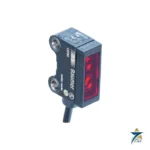
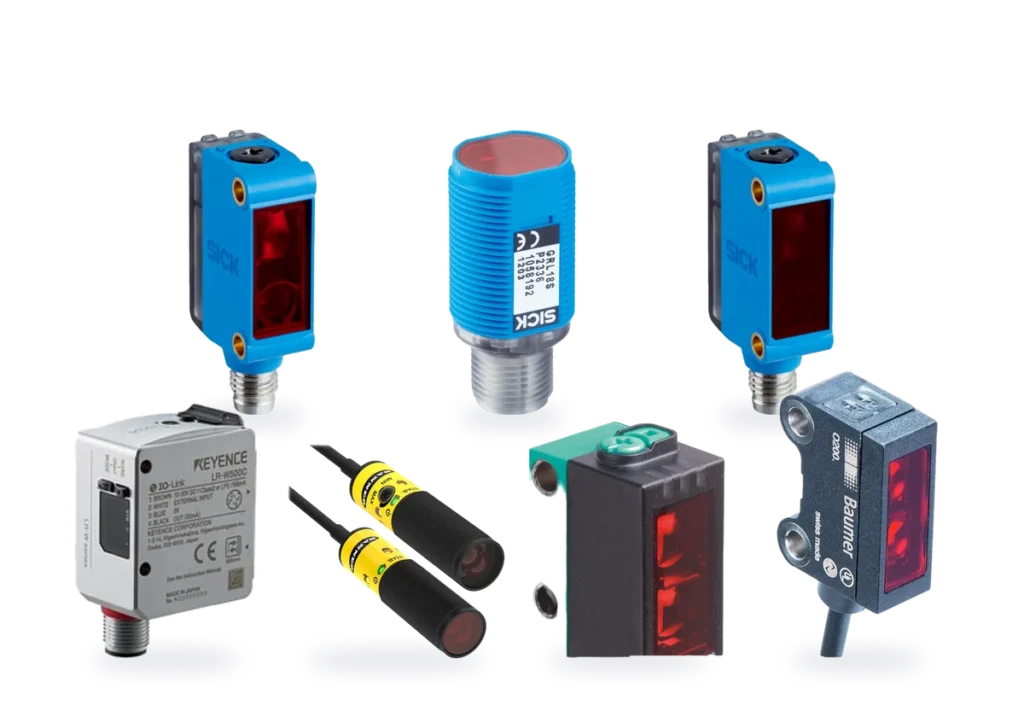
Photoelectric sensors detect objects with a light beam, so they can sense parts of any material at distances from a few millimetres to tens of metres. Seven Star LLC, an independent supplier in Muscat, supplies photoelectric sensors from SICK, Banner Engineering, Pepperl+Fuchs, Keyence and Baumer to machine builders, packaging lines and maintenance teams in Oman and the GCC.
Read the full category guide- 25 products
- 5 brands

Category guide
About Photoelectric Sensors
Photoelectric sensors detect objects with a light beam, so they can sense parts of any material at distances from a few millimetres to tens of metres. Seven Star LLC, an independent supplier in Muscat, supplies photoelectric sensors from SICK, Banner Engineering, Pepperl+Fuchs, Keyence and Baumer to machine builders, packaging lines and maintenance teams in Oman and the GCC.
Types of photoelectric sensor in this category
Background suppression sensors such as the SICK W4, W9, W16, W26 and G6 families detect objects at a set distance and ignore what lies behind, which makes them reliable on conveyors with dark or shiny products. Retro-reflective sensors send light to a reflector and switch when the beam is broken; polarised and laser versions handle shiny objects and long ranges, and special types detect transparent bottles and film-wrapped pallets. Through-beam pairs give the longest range and most reliable detection in dusty areas. Contrast sensors like the SICK KT5 and KTX read print marks on packaging, fibre-optic amplifiers work with small fibre heads in tight spaces, and measuring light grids such as the SICK MLG-2 check object height and position.
How to select a photoelectric sensor
Choose the sensing principle first, from the object, the background and the mounting options. Then check the sensing range, light type (red, infrared or laser), housing (miniature, rectangular or M18 barrel), output (PNP, NPN, push-pull or IO-Link), connection and response time. For outdoor or wash-down locations check the IP rating and housing material, and for hot plant rooms the temperature range.
Data needed for a quotation
Send the full part number from the sensor label, or the object, distance, sensing principle, output, connection and quantity. We check every item against the manufacturer data.
What to include in your inquiry
These details let us quote the right item the first time.
- Measured variable and range
- Medium, pressure and temperature
- Process connection and material
- Output signal or protocol
- Model code or nameplate photo of the existing device
- Hazardous-area approval, if required
Missing some of them? Send what you have. A nameplate photo or an old part number is enough to start.