Overview
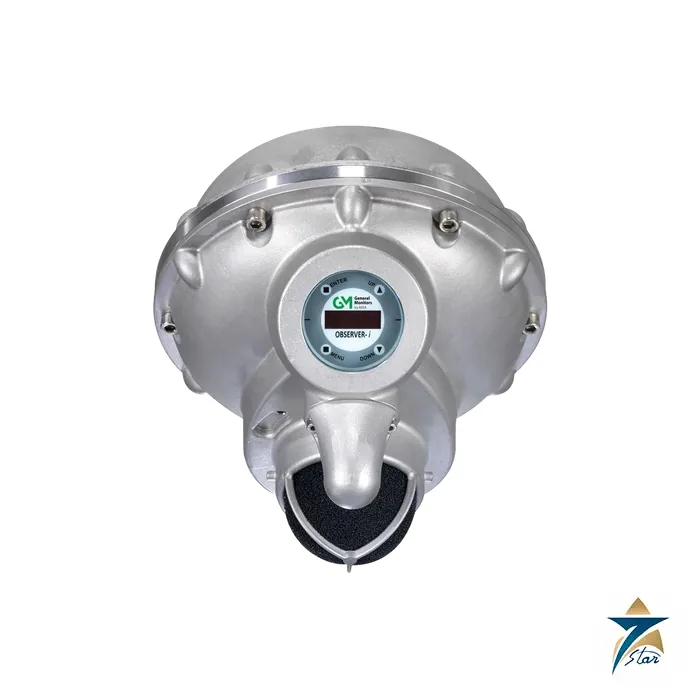
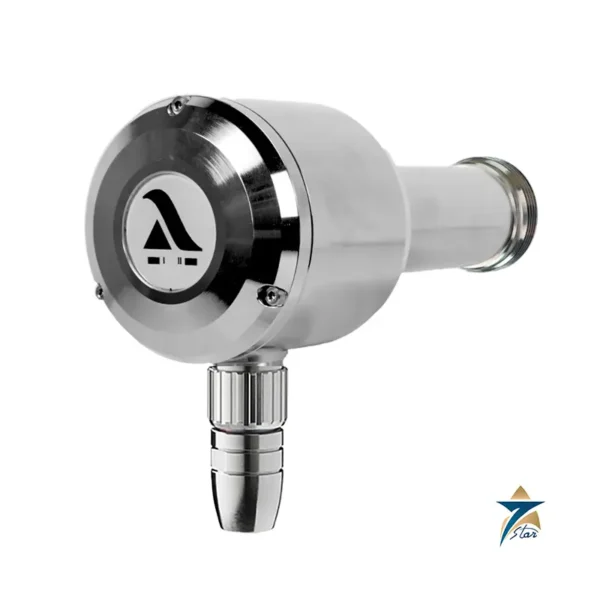
The General Monitors Observer-i is an ultrasonic gas leak detector from MSA that listens for the airborne ultrasound produced when pressurised gas escapes through a leak. Instead of waiting for a gas cloud to reach a point or open path sensor, it responds to the sound of the leak itself, so detection happens at the speed of sound and is not affected by wind direction, gas dilution or the location of the cloud. MSA describes the Observer-i as the first ultrasonic gas leak detector to use Artificial Neural Network (ANN) broadband acoustic processing, trained on recordings of real gas leaks and industrial background noise.
Seven Star LLC supplies the General Monitors Observer-i to oil and gas operators, EPC contractors and maintenance teams in Oman and the GCC, with engineering support in Muscat. Ultrasonic detection is a strong complement to conventional fire and gas layouts on high pressure gas facilities, where an open, well ventilated plant can disperse a leak before it ever reaches a concentration that a catalytic or infrared sensor would recognise.
Measurement Principle
A gas leak from a pressurised system generates broadband acoustic energy, much of it above the range of human hearing. The General Monitors Observer-i analyses the sound spectrum down to 12 kHz without the high pass filters used by earlier designs, and its ANN algorithm separates the acoustic signature of a gas leak from compressor noise, valve noise and other plant sounds. Because the network has been trained in advance, the detector can be installed without site-specific training sequences, and it does not require alarm set points or trigger levels to be adjusted if background ultrasound changes over time.
The General Monitors Observer-i responds in less than one second and detects leaks from systems at 2 bar (29 psi) and above. Detection coverage depends on the noise environment: in Enhanced (ANN) mode, at a methane leak rate of 0.1 kg/s, MSA quotes 17 m radius at the FQHI setting for ultra-high to medium background noise and 28 m radius at the FQLO setting for medium to low noise. A Classic Mode is available for backward compatibility with the earlier Gassonic Observer, using a sound pressure level trigger and the legacy electrical interface.
Engineering Design of the General Monitors Observer-i
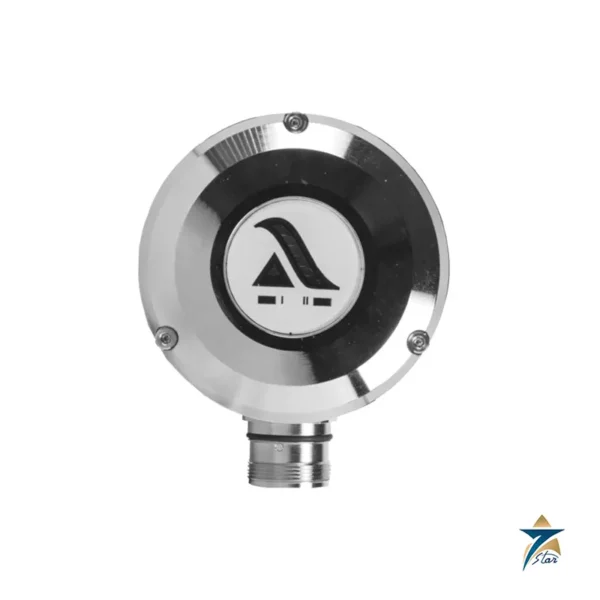
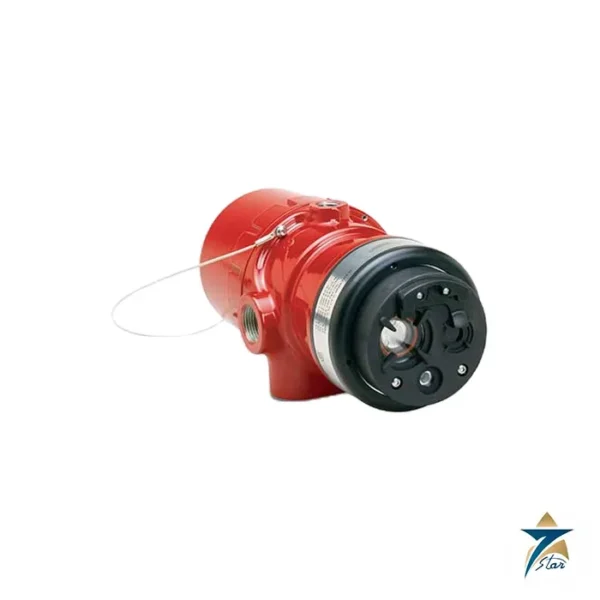
The General Monitors Observer-i is housed in AISI 316L stainless steel, measures 203 × 203 × 201 mm and weighs 7.5 kg. It is certified flameproof with intrinsically safe microphone circuits, marked Ex db ia IIB+H2 T6 Gb and Ex tb IIIC T85 °C Db under ATEX and IECEx, and it carries FM, CSA, UKEx, Inmetro and SANS approvals plus FM certification to IEC 61508 for SIL 3. Ingress protection is IP66 / Type 4X and the operating range is -40 °C to +60 °C. The installation manual recommends mounting on non-vibrating structural beams or cable trays with the microphone facing downwards.
On the General Monitors Observer-i, the patented Senssonic self-test checks the electrical circuitry and the microphone every 15 minutes, and the microphone and windscreen are monitored continuously so the unit always has full sensitivity. Outputs include a 4-20 mA signal (sink or source) with defined warning and alarm levels, HART and Modbus digital communication, and optional relays rated 8 A at 250 V AC. The unit runs on 15 to 36 V DC and stores fault, sound check, calibration and alarm events in its log.
Key Features
The main points from the MSA data sheet for the General Monitors Observer-i are:
- Artificial Neural Network processing distinguishes gas leaks from background noise and suppresses false alarms.
- Response time is below one second because detection travels at the speed of sound.
- Leaks are detected from pressurised systems at 2 bar (29 psi) and above.
- No alarm set points or site-specific training are required in Enhanced Mode.
- The Senssonic acoustic self-test verifies the microphone and electronics every 15 minutes.
- A one-person sound check uses the traceable 1701 portable test and calibration unit.
- HART and Modbus communication give full status and control from the control room.
- The 316L stainless steel housing is SIL 3 capable and rated IP66 / Type 4X.
Industrial Applications
MSA lists offshore and onshore oil and gas installations, gas compressor and metering stations, gas storage, LNG and GTL trains, LNG regasification plants, FPSOs, hydrogen storage and petrochemical plants as typical applications. In Oman this matches high pressure gas gathering and compression stations in the interior concession areas, the LNG facilities at Qalhat near Sur, gas processing and export pipelines, and the refinery and petrochemical complexes around Sohar and Duqm, where open structures and strong winds make gas clouds hard to catch with point detection alone.
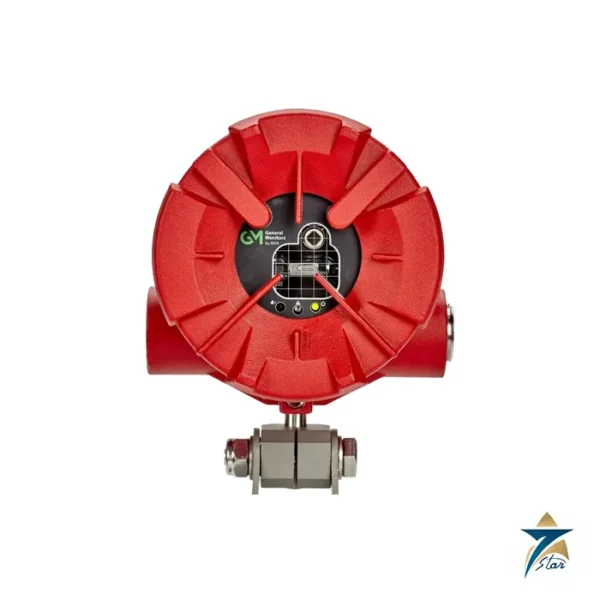
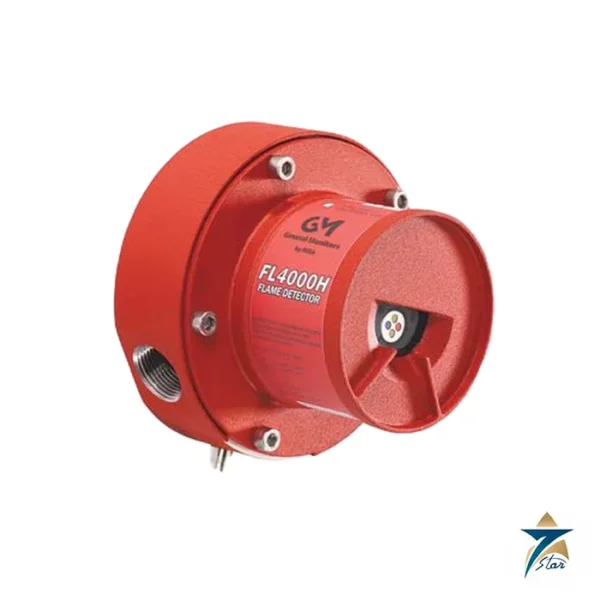
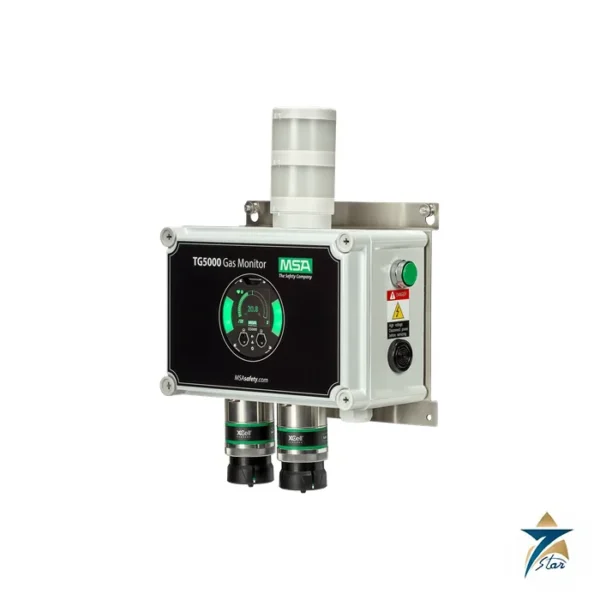
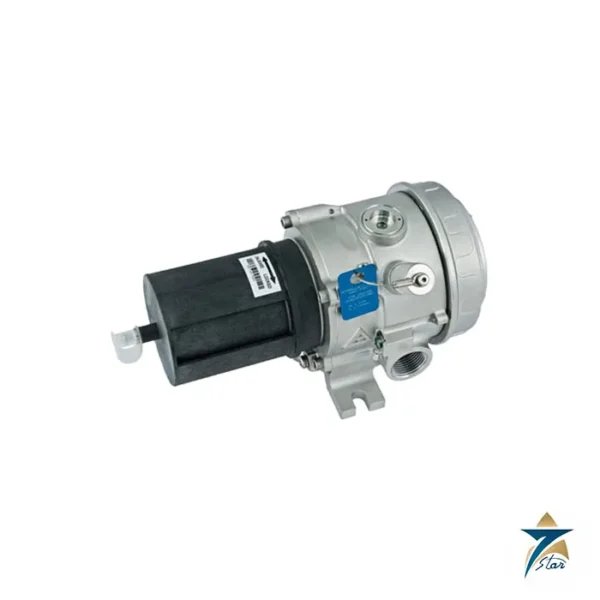
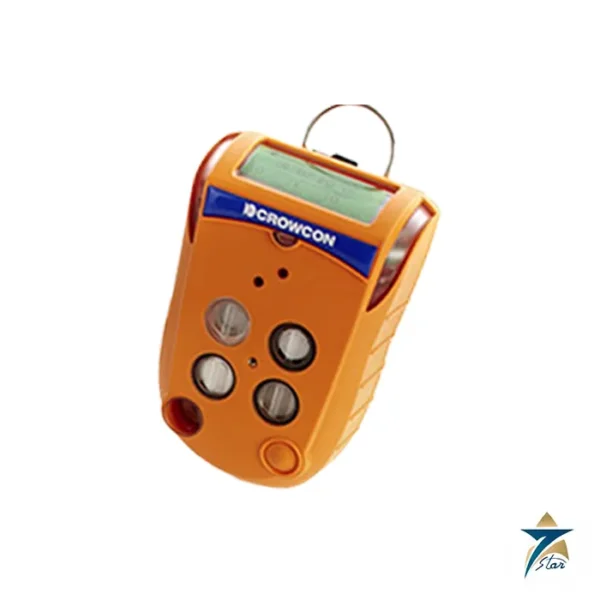
Seven Star LLC often supplies the General Monitors Observer-i alongside other MSA fire and gas equipment, for example the General Monitors IR5500 open path infrared gas detector for line-of-sight hydrocarbon coverage, the General Monitors FL5000 MSIR flame detector for fire detection, and the General Monitors TG5000 gas monitor for point detection. Combining ultrasonic, infrared and flame detection gives a layered fire and gas design that suits the hazards of each process area.
Technical Specifications
The General Monitors Observer-i specifications below are taken from the MSA data sheet 1438-16-MC (05.2023).
| Parameter |
Specification |
| Model |
General Monitors Observer-i ultrasonic gas leak detector (standard configuration OBSERVER i-1-1-1-1-1-1) |
| Detection method |
Ultrasonic (acoustic), Artificial Neural Network |
| Minimum acoustic frequency |
12 kHz (ANN mode) |
| Minimum detection limit / accuracy |
40 dB / ±3 dB |
| Detection coverage (methane, 0.1 kg/s) |
17 m at FQHI, 28 m at FQLO (Enhanced Mode) |
| Minimum leak pressure |
2 bar (29 psi) |
| Response time |
< 1 s |
| Self-test |
Senssonic, every 15 minutes |
| Input power |
15 to 36 V DC, 250 mA max., 170 mA nominal at 24 V DC |
| Outputs |
4-20 mA sink or source, optional relays 8 A at 250 V AC, HART, Modbus |
| ATEX / IECEx marking |
Ex db ia IIB+H2 T6 Gb, Ex tb IIIC T85 °C Db |
| Functional safety |
FM certified to IEC 61508 (SIL 3) |
| Housing |
Stainless steel AISI 316L, 203 × 203 × 201 mm, 7.5 kg |
| Ingress protection |
IP66 / Type 4X |
| Operating temperature |
-40 °C to +60 °C, 10-95% RH non-condensing |
| Conduit entries |
M20 × 1.5 (3/4 in NPT adapter available) |
How to Order
For a quotation on the General Monitors Observer-i, send Seven Star LLC an RFQ with the required configuration, cable entry type, approvals and quantity, together with the 1701 test unit if your maintenance team needs one. Our instrumentation division will confirm availability and delivery time, and the General Monitors Observer-i data sheet and instruction manual can be downloaded from this page. Seven Star LLC supplies MSA fire and gas detection equipment to operators and contractors across Oman and the GCC from Muscat.















Reviews
There are no reviews yet.