Carbon dioxide for total flooding or local application
The Ansul high pressure carbon dioxide fire suppression system uses CO2 either to totally flood an enclosed hazard area or to discharge directly onto the hazard by local application. Ansul describes carbon dioxide as a versatile, economical agent that leaves no residue, is non-corrosive and non-conductive, and suits Class A, B and C hazards. It is most effective on Class B flammable liquid fires and is described as the only gaseous agent capable of deep seated Class A protection.
Technical specifications
| Parameter |
Specification |
| Manufacturer / brand |
Ansul, a Johnson Controls brand |
| System type |
High pressure carbon dioxide, total flooding or local application |
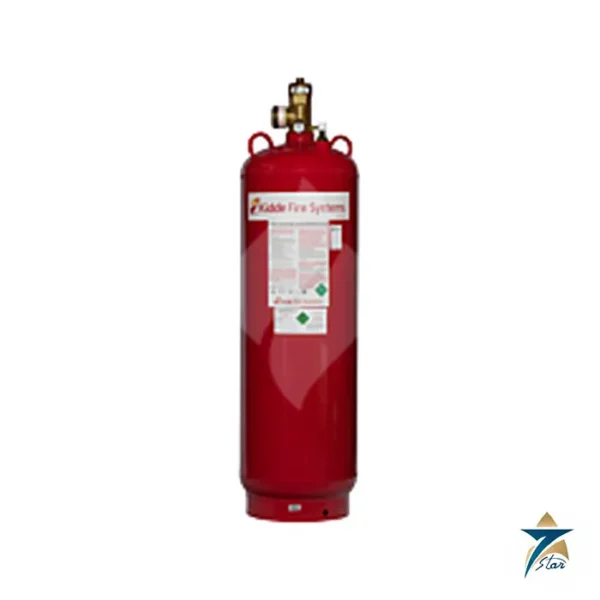
| Storage containers |
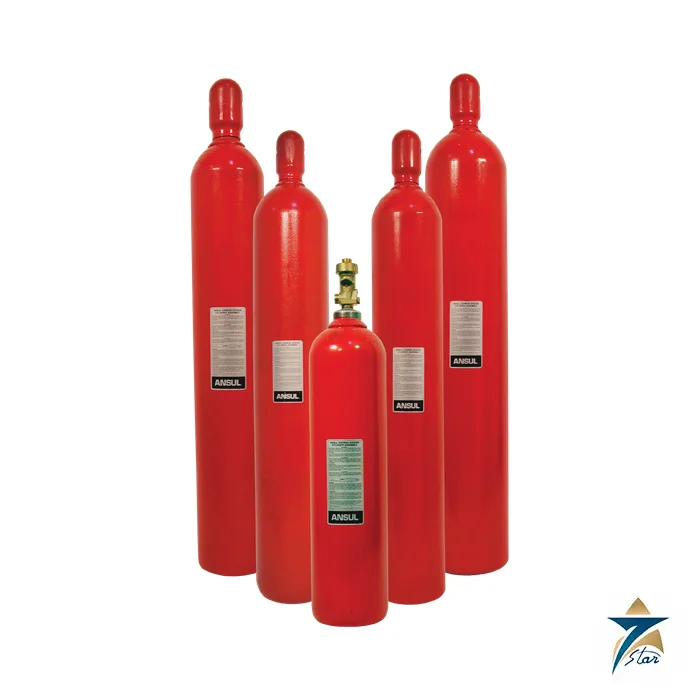
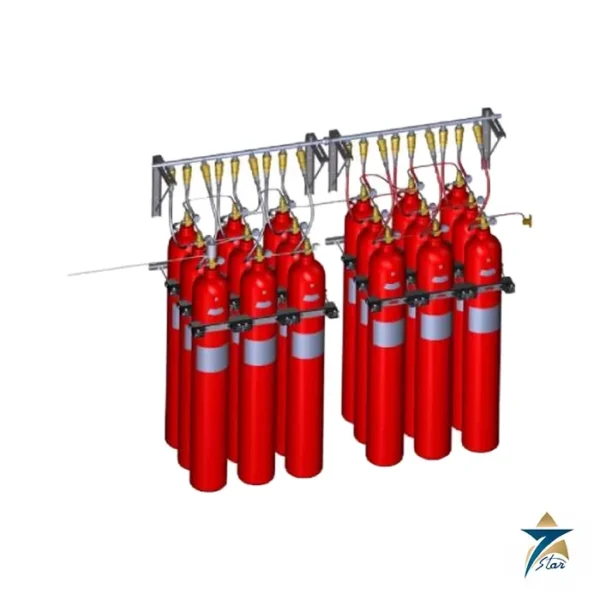
35 lb (16 kg) to 120 lb (54 kg) each, can be manifolded for simultaneous discharge |
| Agent distribution |
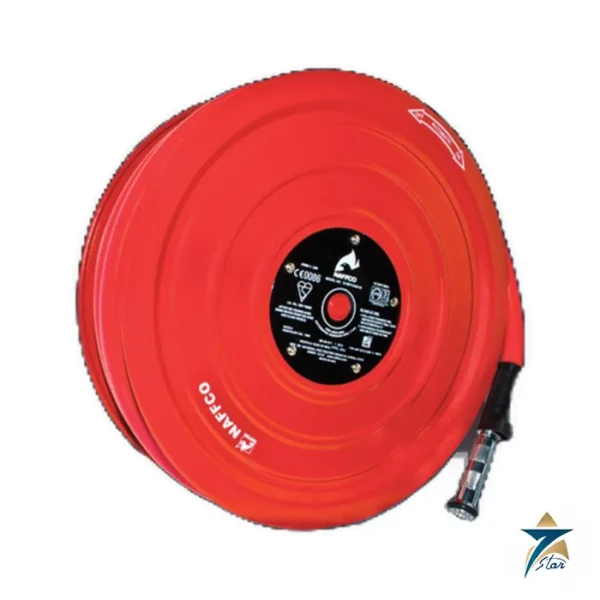
Fixed nozzle and, or, hose reel |
| Container valve actuation |
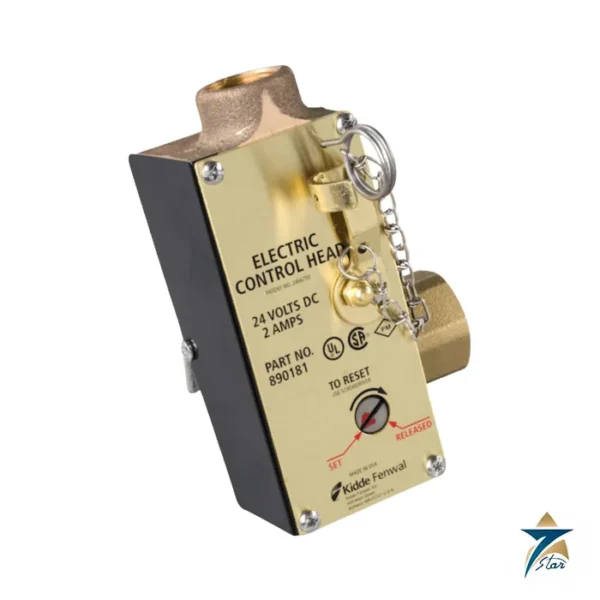
Electric, pneumatic or mechanical actuators, local or remote, automatic or manual |
| Detection and control |
AUTOPULSE conventional or addressable releasing control panel with smoke, heat and flame detectors |
| Approvals as printed |
UL/ULC Listed and FM Approved; marine system UL Listed and USCG Approved |
| Fire classes |
A, B and C |
| Document |
Product overview, form F-2018185-00_A4 (copyright 2018) |
Applications and safety
The brochure lists dip tanks and plating, engine rooms, flammable liquid and gas storage, generators, hoods and ducts, machinery spaces, paint lines and lockers, printing presses, process equipment, open pits, ovens, semiconductor wet benches, spray booths and vaults. Carbon dioxide has protected more marine vessels than any other type and remains a primary solution for engine rooms, auxiliary machinery spaces and paint lockers.
Ansul warns that areas protected by CO2 systems must be evacuated before discharge, because the agent works by displacing the air that contains oxygen. In certain applications additional safeguard equipment is mandatory, so pre-discharge alarms, time delays and lockouts belong in the design rather than being added afterwards.
What to confirm before ordering
Confirm whether the hazard needs total flooding or local application, the enclosure volume or hazard dimensions, the container count, the actuation method and whether marine approval is required. The overview lists no part numbers or discharge rates.
How the Ansul high pressure CO2 system works
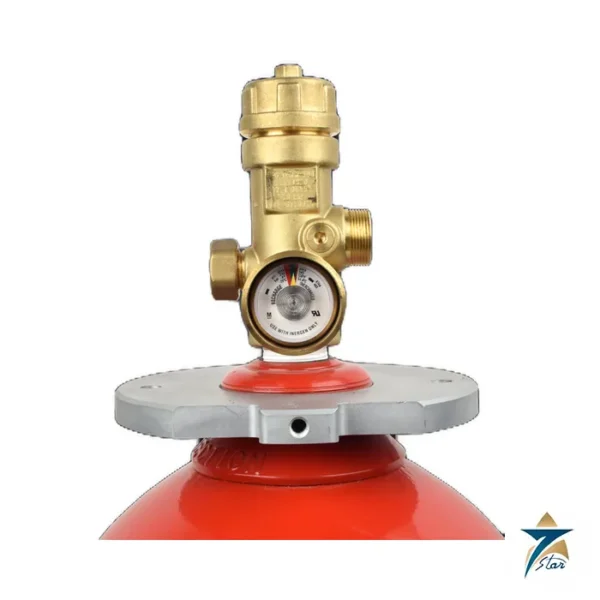
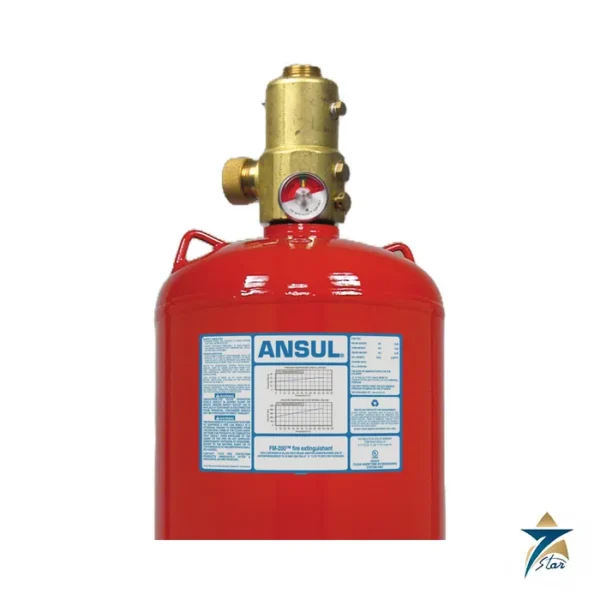
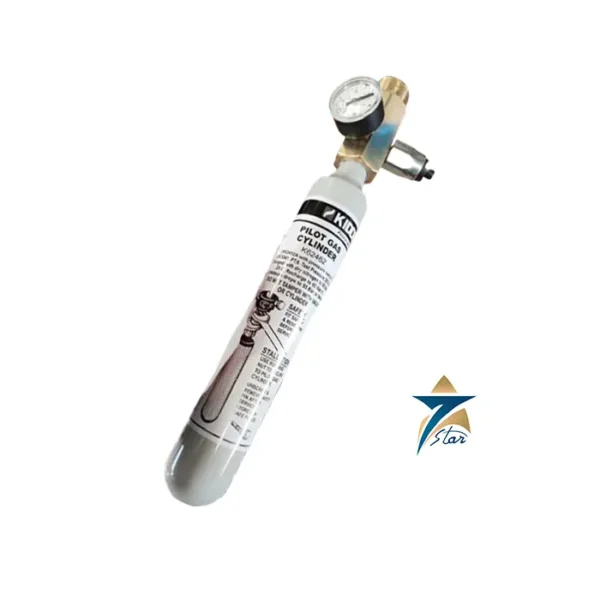
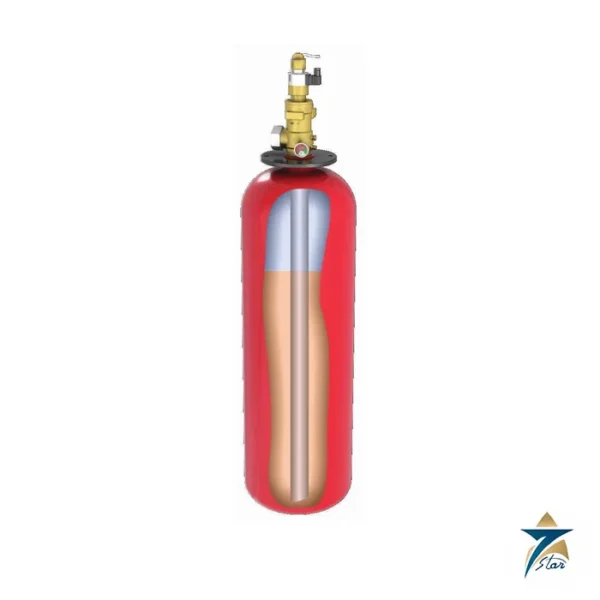
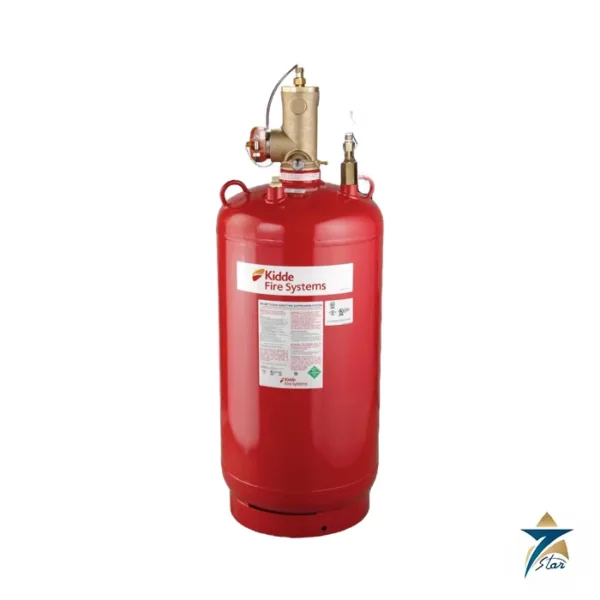
Carbon dioxide extinguishes a fire mainly by reducing the oxygen concentration in the hazard area, with a smaller cooling effect. The agent is stored as a liquid in high pressure containers of 35 lb (16 kg) to 120 lb (54 kg), which can be manifolded so that several containers discharge at once. A container valve actuator, which may be electric, pneumatic or mechanical, opens the valves on a signal from the detection panel or from a manual release. The gas then flows through pipework to nozzles. In total flooding, the whole enclosure is filled with the agent. In local application, the agent is discharged directly onto the hazard, for example an open tank, by fixed nozzles or a hose reel.
Applications of an HP CO2 system
- Engine rooms, auxiliary machinery spaces and generators.
- Paint lines, spray booths, paint lockers and ovens.
- Dip tanks, plating lines and printing presses.
- Flammable liquid and gas storage, hoods and ducts.
- Semiconductor wet benches, vaults and process equipment.
Selection checklist for a CO2 system
- Total flooding or local application, and for local application the dimensions of the hazard.
- Enclosure volume, openings and ventilation that must be shut off on release.
- Container size and number, and whether the containers are manifolded.
- Actuation: electric, pneumatic or mechanical, local or remote, automatic or manual.
- Detection and control: AUTOPULSE conventional or addressable releasing panel with smoke, heat and flame detectors.
- Approvals: UL/ULC Listed and FM Approved, with a marine system UL Listed and USCG Approved where relevant.
- Life safety: pre-discharge alarms, time delays, lockout valves and warning signs, because the agent displaces the oxygen that people need to breathe.
Installation, commissioning and maintenance notes
A CO2 system must be engineered to the hazard, and the installer follows the design calculations for pipe sizes, nozzle placement and the quantity of agent. Before the system is handed over, personnel in the protected area must be trained to evacuate on the alarm, doors should open outwards, and the discharge test and alarm sequence should be verified. Containers are inspected and weighed at regular intervals, and the system should be serviced according to the applicable standards and the manufacturer instructions. The brochure notes that additional safeguard equipment is mandatory in certain applications, so the safety design should be reviewed with the local authority.
Requesting a quotation for the Ansul HP CO2 system
The product overview does not list part numbers or discharge rates, so the quotation depends on project data. Send the hazard type, the volume or dimensions, the container count, the actuation method and the approvals required. Seven Star LLC serves industrial customers in Oman and the GCC and replies with a quotation based on the information provided.
Why CO2 is chosen and what to watch for
Carbon dioxide leaves no residue, is non-corrosive and does not conduct electricity, so equipment can be returned to service after the fire is out without agent cleanup. Ansul describes it as most effective on Class B flammable liquid fires and as the only gaseous agent capable of deep seated Class A protection. Its main drawback is life safety: a concentration high enough to extinguish a fire is dangerous to people, so the protected area must be evacuated before discharge. Design therefore includes alarms, time delays and lockouts, and the hazard is normally isolated from ventilation during the discharge period. In marine service, the USCG approval printed in the overview is important for vessel installations, and the brochure notes that CO2 has protected more marine vessels than any other type of system.
Documents and quotation
You can download the Ansul High Pressure Carbon Dioxide Fire Suppression System product overview (form F-2018185-00_A4, 2 pages) from this page. It summarises the system rather than specifying hardware, so part numbers come later from the design stage. Tell us the hazard, the quantity and the governing standard when requesting a price. See Fire Fighting for related fire protection equipment.

Reviews
There are no reviews yet.