Overview
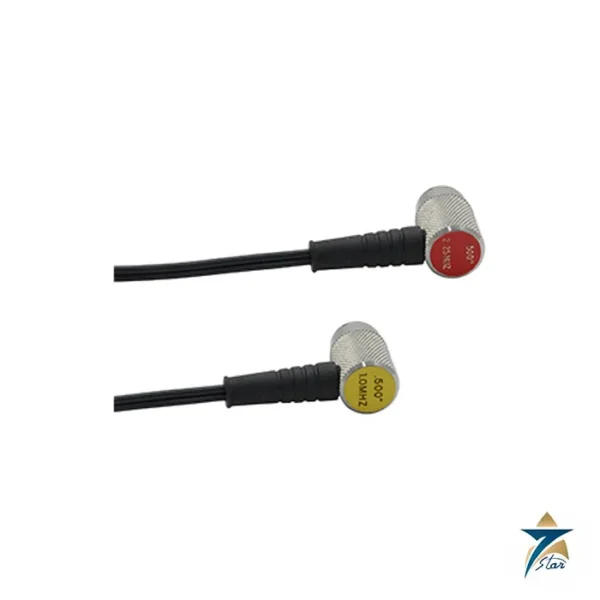
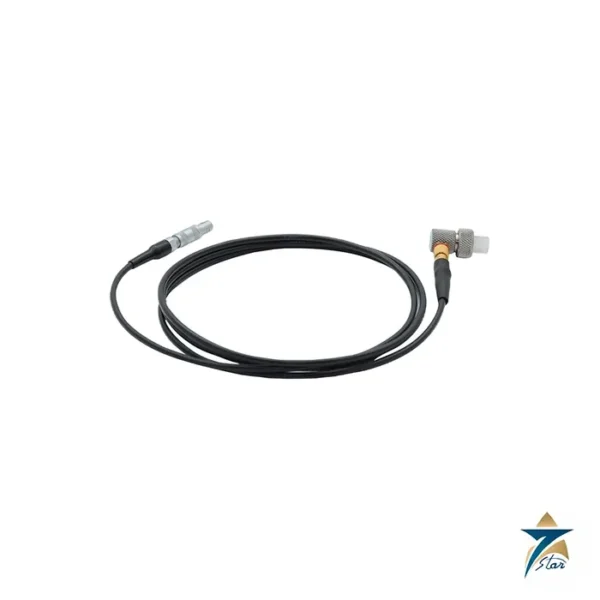
A Dakota Transducer Cable carries the low-voltage ultrasonic pulse and its return echo between the transducer and the gauge electronics, and any signal loss, intermittent contact or electrical noise picked up along that path shows up directly as an unreliable or jumping reading on the instrument display. A properly specified Dakota Transducer Cable, matched to the connector, length and environmental demands of the job, is therefore as important to measurement accuracy as the transducer or the gauge itself.
As the official authorized partner and exclusive regional representative for Dakota NDT, Seven Star LLC supplies the full Dakota Transducer Cable range to inspection contractors, plant maintenance teams and calibration laboratories across Oman and the GCC, with local technical support.
Measurement Principle
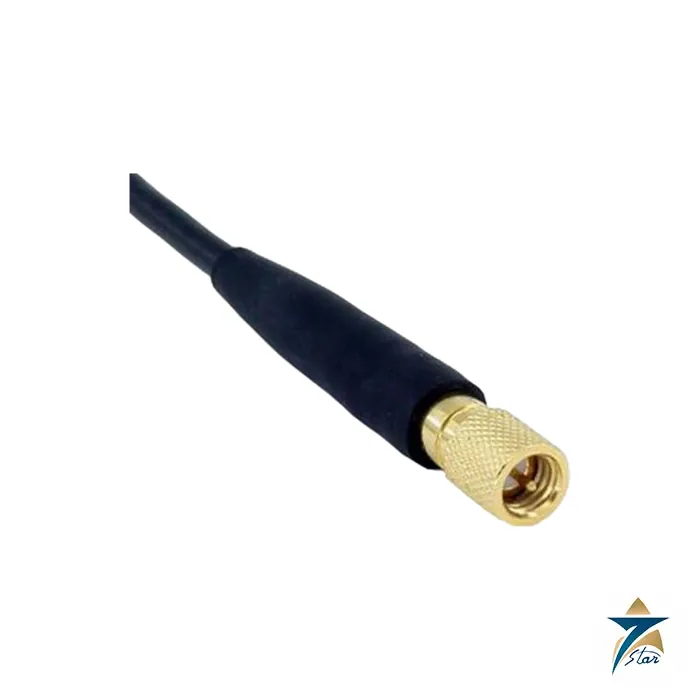
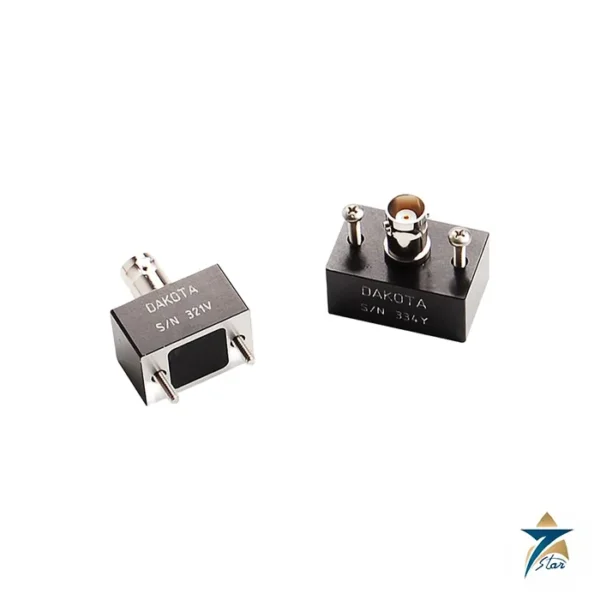
Every Dakota Transducer Cable is built as a shielded, low-capacitance coaxial or twin-lead assembly designed to carry the transducer’s high-frequency pulse-echo signal without introducing the attenuation or noise pickup that a general-purpose cable would add over distance. The connector at each end, whether BNC, Lemo or Microdot, is chosen to match the exact impedance and locking requirements of the transducer and gauge combination, since a loose or mismatched connector is one of the most common causes of an intermittent or noisy ultrasonic reading in the field.
The practical consequence of using the correct Dakota Transducer Cable is a clean, repeatable signal path from transducer to gauge display, with a secure mechanical connection that resists vibration loosening on rig floors and vehicle-mounted inspection rigs, and a jacket rated for the temperature and abrasion conditions the cable will actually see in service.
Engineering Design of the Dakota Transducer Cables
The standard Dakota Transducer Cable range is available with BNC connectors for general-purpose gauge and flaw detector use, Lemo connectors for their secure locking mechanism in demanding field environments, and Microdot connectors for compact, high-frequency transducer applications. Standard lengths run from 1.2 metres up to 6 metres, letting the inspector choose a cable long enough to reach an awkward measurement point without excess slack that can snag on plant structure.
For harsher environments, the range extends to armoured jacket variants that resist crushing and abrasion on rig floors and fabrication yards, high-temperature variants rated to roughly 480°C (900°F) for use near hot process piping, and Teflon-insulated versions for chemical-resistance and extended service life in aggressive plant atmospheres. Every Dakota Transducer Cable is terminated and tested before dispatch to confirm continuity and shielding integrity.
Cable failure in the field is rarely a clean, obvious break; more often it presents as an intermittent dropout that appears only when the cable is flexed near the connector, or a gradually noisier signal that a technician mistakes for a transducer or gauge fault. Keeping a labelled spare Dakota Transducer Cable of each connector type in the field kit, rather than relying on a single cable per gauge, avoids losing an entire inspection shift to a connector that has simply worked loose from repeated coiling and uncoiling over months of use.
Key Features
The Dakota Transducer Cable range is built to keep signal quality intact across every environment the region’s inspection teams work in.
- BNC, Lemo and Microdot connector options matched to the transducer and gauge combination.
- Standard lengths from 1.2 m to 6 m to suit reach and cable-management needs.
- Armoured jacket variants resistant to crushing and abrasion in fabrication yards.
- High-temperature variants rated to roughly 480°C for hot process piping work.
- Teflon-insulated options for chemical-resistant, extended-life service.
- Shielded, low-capacitance construction to minimise signal noise and attenuation.
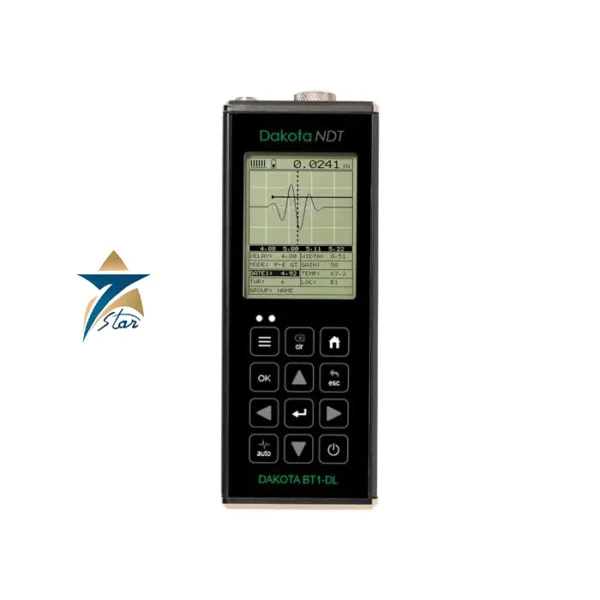
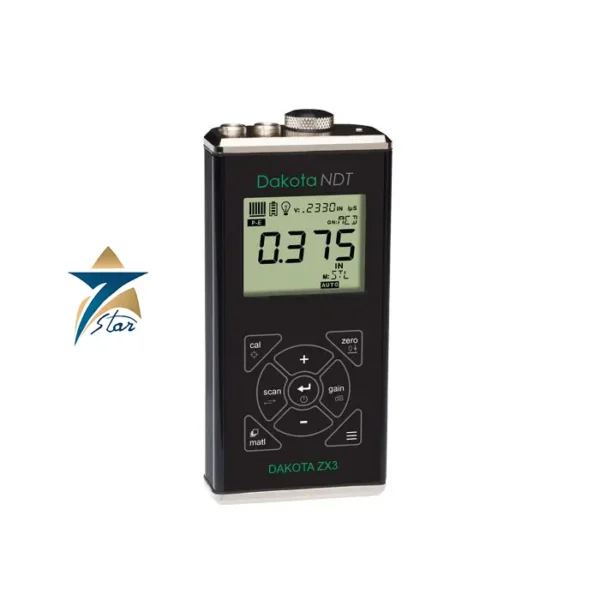
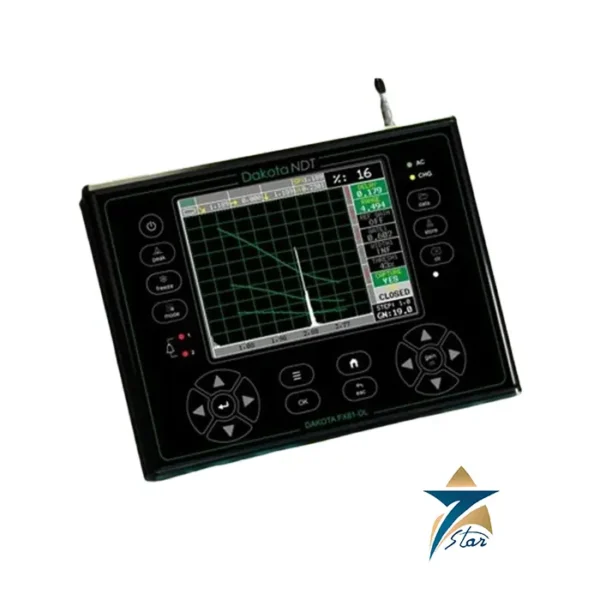
- Compatible across Dakota’s CX, PCX, ZX, MX2, CMX, PMX, FX71, FX81, BT1, BT2 and MultiMax ranges.
- Every cable tested for continuity and shielding integrity before dispatch.
Industrial Applications
A Dakota Transducer Cable is a routine consumable and spares item across every inspection program running Dakota thickness gauges, flaw detectors and bolt tension monitors in the region. Refinery turnaround and offshore platform inspection teams keep armoured and high-temperature cable variants on hand as spares, since cable damage from crushing or heat is one of the most common causes of unplanned inspection downtime during a shutdown window. Shipyard and marine contractors favour the Lemo-locking variants for their secure connection during hull and structural scanning, where a cable pulling loose mid-scan would mean re-starting a documented survey run.
As the officially authorized partner for Dakota NDT, Seven Star LLC distributes the complete Dakota Transducer Cable range to plant reliability teams, EPC contractors and calibration laboratories throughout Oman and the GCC, including facilities across Muscat, Sohar and the Salalah economic zones that keep spare cable stock on-site to avoid inspection delays.
Technical Specifications
The table below summarizes the standard Dakota Transducer Cable range; exact configurations vary by connector, length and jacket type.
| Parameter |
Specification |
| Model |
Dakota Transducer Cables |
| Connector types |
BNC, Lemo, Microdot |
| Standard lengths |
1.2 m, 2 m, 3 m, 6 m |
| Jacket options |
Standard, armoured, Teflon-insulated |
| High-temperature rating |
Up to approximately 480°C (900°F) |
| Construction |
Shielded, low-capacitance coaxial / twin-lead |
| Compatible instruments |
Dakota thickness gauges, flaw detectors, bolt tension monitors |
| Testing |
Continuity and shielding integrity verified before dispatch |
Request a Quote for Dakota Transducer Cable
Seven Star LLC processes formal RFQs for the complete Dakota Transducer Cable range, covering the most common connector types and lengths, with lead time confirmed at quotation and the full technical datasheet available on request from our instrumentation division. As the authorized partner for Dakota NDT in Oman and the GCC, every Dakota Transducer Cable order is matched to the customer’s exact gauge and transducer combination for guaranteed compatibility.
Browse the full Dakota NDT range or see more NDT Accessories products supplied by Seven Star LLC in Oman and the GCC.






Reviews
There are no reviews yet.