Brand:

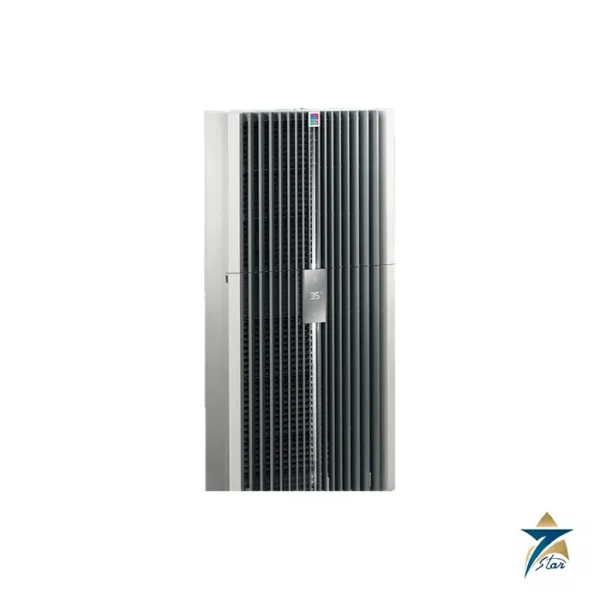
OSS-Ex-Proof Package unit Air Conditioner

Description

Seven Star LLC: Oman and GCC supplier of the OSS-Ex-Proof Package unit explosion-proof Air Conditioner, offering top-quality solutions.

Explosion-Proof Heating Ventilation and Air Conditioning Unit holds certifications from renowned authorities including the European Union ATEX, IECEX, CU EAC. This unit finds its application in hazardous Zone 1 and Zone 2 areas, as classified by GB3836.14. Tailored for use in diverse industries such as oil, chemical, and marine engineering, this HVAC solution is designed for environments adhering to the classification in GB3836.1: IIA, IIB, IIC categories, alongside temperature class T1 ~ T4. It specifically caters to areas where explosive gas mixtures prevail, such as online analysis cabins, control rooms, operating rooms, and electrical rooms. Its purpose is to ensure positive pressure, ventilation, and effective regulation of indoor temperature and humidity levels.

Key Features:

  • Robust Industrial Design: The unit is purposefully crafted to withstand the rigorous demands of industrial environments, enabling continuous and reliable operation throughout extended production cycles.
  • Durable Construction: The unit’s frame is meticulously constructed from hot-dip galvanized sheet or stainless steel plate, ensuring high strength, exceptional stability, and an outdoor service life of up to 20 years.
  • Reliability Through Quality: The refrigeration system, control system, and fan system are composed of brand-name components and high-quality materials, guaranteeing dependable performance and heightened reliability.
  • Impeccable Explosion-Proof Design: The unit’s explosion-proof structure seamlessly integrates safety and functionality, incorporating diverse forms of explosion-proof mechanisms. The composite composition of the structure ensures utmost protection against potential hazards.
  • Efficient Heat Exchange: The heat exchanger boasts aluminum thread fins paired with inner thread copper tubes and a hydrophilic membrane, facilitating efficient heat transfer.
  • Static-Free Coating: An anti-static coating is applied to the unit’s shell, further enhancing its operational safety.
  • Enhanced Safety Measures: A range of refrigeration and electrical safety protections are embedded within the unit, assuring optimal functionality and peace of mind.
  • Advanced Control: The unit employs a Siemens PLC programmable controller or MCU controller, enabling precise management of operations.
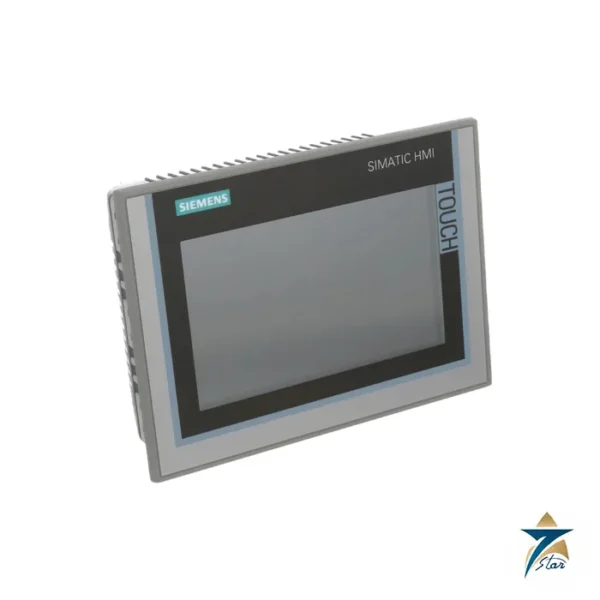
  • User-Friendly Interface: Operating parameters are clearly displayed on a large-screen LCD operator, offering easy-to-access insights into unit performance.
  • Automatic Unattended Operation: The unit can be set for fully automatic, unattended operation, streamlining its management.

Options tailored to distinct operational conditions include:

  • Material Variants: Opt for stainless steel (S304 or S316L) shell for enhanced durability.
  • Heat Exchanger Variations: Choose from female copper sleeve copper fins for the heat exchanger.
  • Anti-Corrosion Enhancement: Opt for a heat exchanger with anti-corrosion coating to extend its longevity.
  • Refrigerant Selection: Select from refrigerants such as R22, R407C, and R134a based on your requirements.
  • Specialized Low-Temperature Models: For specific low-temperature environments, explore specialized models.
  • Customized Accessories: Consider features like sand collectors or chemical filtration devices, allowing tailored functionality.
  • Marine Standards: Units can be manufactured according to DNV and ABS marine standards.
  • Remote Control Interface: Incorporate a remote control communication interface for enhanced convenience.
  • Alarm Interfaces: The unit offers various alarm interfaces to align with user preferences.
  • Tailored Solutions: For unique operational needs, the product offers solutions designed to cater to specific conditions.


Technical Specifications

Parameter Value
Product Type Explosion-proof package unit air conditioner (HVAC)
Certifications ATEX, IECEx, CU EAC
Hazardous Area Zone 1 and Zone 2 (GB3836.14)
Gas Groups IIA, IIB, IIC
Temperature Class T1 ~ T4
Frame Hot-dip galvanized sheet or stainless steel plate; optional S304 or S316L stainless steel shell
Heat Exchanger Aluminum fins with inner thread copper tubes and hydrophilic membrane
Controller Siemens PLC programmable controller or MCU controller, large-screen LCD
Refrigerant Options R22, R407C, R134a
Marine Standards (optional) DNV and ABS

Selecting an Explosion-Proof Package Air Conditioner

An explosion-proof package unit is engineered around the room it serves and the hazardous area it sits in, so a good enquiry starts with site data rather than a catalogue capacity. To size and specify the unit correctly, prepare:

  • The hazardous area classification of the installation point: zone, gas group and temperature class, taken from the plant’s area classification drawings.
  • The heat load of the room, including analyzers, electrical panels, UPS and battery systems, lighting and occupancy, plus solar gain through walls and roof.
  • Design ambient conditions, including peak summer dry-bulb temperature, humidity, and exposure to sand, salt spray or corrosive gases.
  • The required indoor temperature and humidity band and whether the unit must maintain positive pressure in the room.
  • Power supply details, preferred refrigerant, material options and any marine class or project-specific standards.

Redundancy

For analyzer shelters and control or electrical rooms, many projects specify two units in a duty and standby arrangement, so that one unit can be maintained or fail without losing temperature control of critical equipment.

Installation and Commissioning

Installation work in a hazardous area follows the site permit system and the certification requirements of the unit. Key points include using certified cable glands and entries suited to the protection concept, correct earthing and bonding of the frame, and keeping refrigerant pipework and condensate drains properly sealed and supported. During commissioning, verify refrigerant charge, fan rotation, safety cut-outs, alarm outputs to the control system and the pressurization or fresh-air function where fitted, and record operating readings as a baseline for later maintenance.

Maintenance in Harsh Environments

Coastal and desert sites load the condenser coil with salt and sand quickly, which raises head pressure and reduces cooling capacity just when it is needed most. A practical maintenance plan covers regular coil and filter cleaning, inspection of fan motors and bearings, checks on refrigerant pressures and electrical terminations, and periodic inspection of explosion-proof enclosures and gland seals by competent personnel, so that the certification of the unit is maintained throughout its life.

Applications in Oman and the GCC

These units are used on oil and gas production stations, gas processing plants, refineries, petrochemical complexes, offshore platforms and marine terminals, where analyzer houses, instrument rooms and local equipment rooms sit inside classified areas. High ambient temperature and dust make reliable cooling essential for protecting electronics and analyzers.

Explosion-Proof Package Air Conditioner – Frequently Asked Questions

Where is an explosion-proof package air conditioner used?

In areas with explosive gas mixtures such as online analysis cabins, control rooms, operating rooms and electrical rooms.

Which gas groups and temperature classes does it cover?

Gas groups IIA, IIB and IIC with temperature classes T1 to T4.

What is the frame made of?

Hot-dip galvanized sheet or stainless steel plate, with an outdoor service life of up to 20 years.

How is the unit controlled?

By a Siemens PLC or an MCU controller.

Where can I buy an Ex-proof air conditioner in Oman?

Seven Star LLC supplies explosion-proof package air conditioners in Oman and the GCC. Contact us for price and lead time.

Sourcing Through Seven Star LLC

Seven Star LLC prepares quotations for explosion-proof HVAC based on your area classification and heat load data, and provides the certification documents and technical submittals needed for project approval. Send your datasheet or room details through our quote request to start the selection.

Browse the full Siemens range or see more HVAC products supplied by Seven Star LLC in Oman and the GCC.

Reviews (0)

Reviews

There are no reviews yet.

How would you rate this product?

It takes about 10 seconds — just tap a star. Your email is never published.

About brand

Most Siemens automation parts are bought by article number, the string beginning 6ES7, 6AV2 or 6GK5 printed on every module. Founded in 1847 and headquartered in Munich, Siemens builds the SIMATIC controllers, SCALANCE networks and SINAMICS drives that plant engineers meet on almost every site.

Seven Star LLC, an independent supplier, lists Siemens PLC and I/O modules, HMI panels, industrial Ethernet switches, drives, protection relays, temperature transmitters and gas analyzer spare parts for projects in Oman and the GCC.

Siemens product families on this page

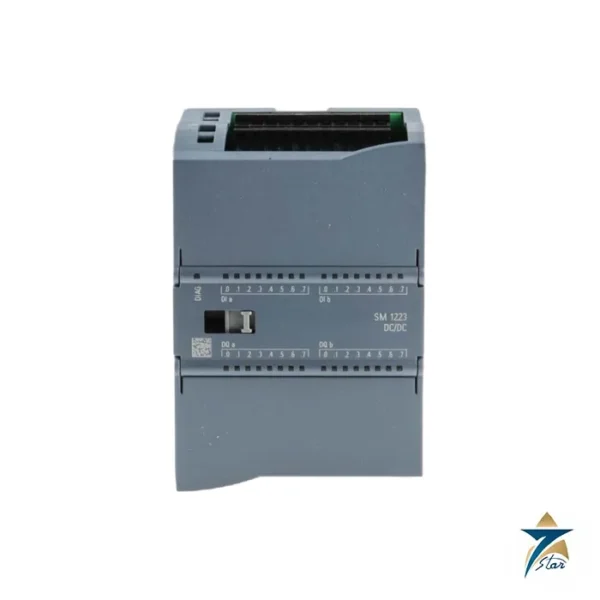
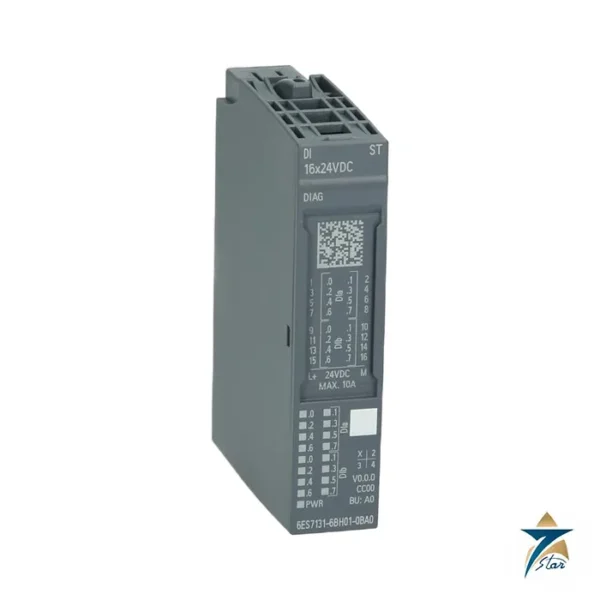
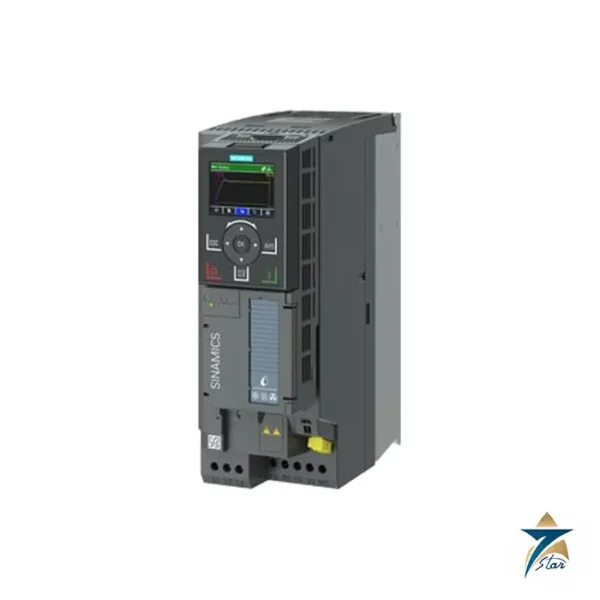
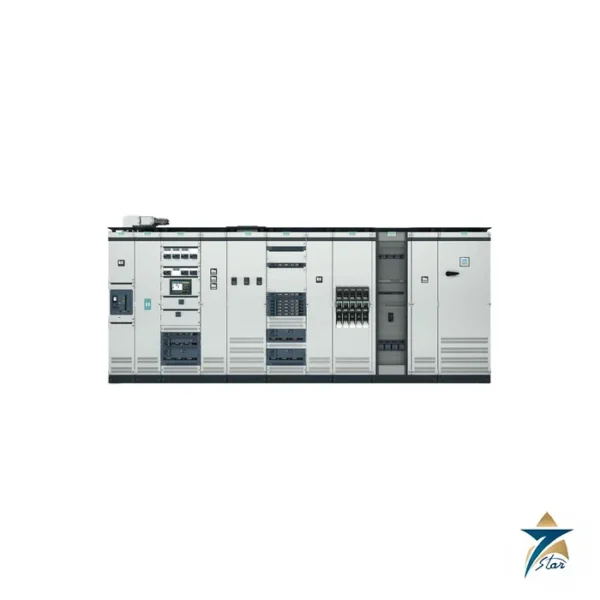
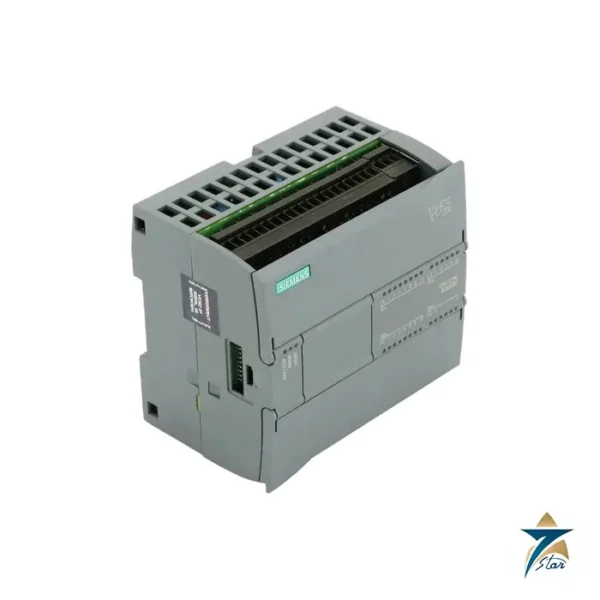
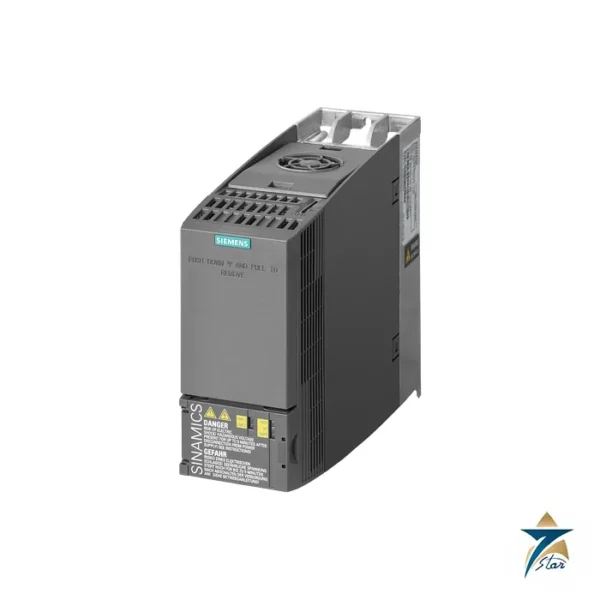
Controller hardware covers the SIMATIC S7-1200 (CPU 1214C with SM 1223 signal modules) and the S7-1500 (CPU 1515-2 PN), with ET 200SP and ET 200M distributed I/O and their IM 155-6 and IM 153-2 interface modules. Operator panels include the KTP700 Basic and TP700 Comfort. SCALANCE XC208 managed switches handle industrial Ethernet. Drives are represented by the SINAMICS G120C compact inverter and the G120X for pumps and fans. From the power side come the SIPROTEC 7SJ85 feeder protection relay and SIVACON S8 switchboards, and from process instrumentation the SITRANS TH320 head-mounted temperature transmitter.

Where Siemens equipment is used

SIMATIC controllers and ET 200 I/O run packaged units, skids and whole process lines in water treatment, oil and gas, cement, food and manufacturing plants. SINAMICS drives control pumps, fans and conveyors, SCALANCE switches form the control network, and SIPROTEC relays protect medium voltage feeders and motors.

Ordering Siemens parts: what we need

Send the complete article number, the functional status or version printed on the module and, for CPUs, the firmware version your project was written for. For drives add power, supply voltage, filter option and fieldbus version. For SIPROTEC relays the long order number or product code is required, because it fixes the hardware and function package. A nameplate photo answers most of these points at once.

Frequently Asked Questions

What hazardous area certifications does this explosion-proof AC unit carry?
It is certified to ATEX, IECEx, and CU EAC (EAC Ex) standards, and is rated for Zone 1 and Zone 2 hazardous areas per GB3836.14, covering gas groups IIA, IIB, and IIC across temperature classes T1 to T4.
Where is this unit typically installed?
It is designed for pressurized, climate-controlled enclosures in hazardous zones such as online analyzer cabins, control rooms, operator rooms, and electrical/switchgear rooms in oil, chemical, and marine facilities.
What control system does the unit use, and can it run unattended?
It is managed by a Siemens PLC (or MCU) controller with a large LCD operator interface, and it supports fully automatic, unattended operation for continuous positive-pressure ventilation and temperature/humidity control.
What construction features protect it in corrosive or marine environments?
The frame is built from hot-dip galvanized sheet or stainless steel (with S304 or S316L shell options), the heat exchanger uses aluminum-finned copper tubing with a hydrophilic membrane, and the shell carries an anti-static coating, together rated for up to 20 years of outdoor service life.
How does the unit reduce ignition risk inside the protected space?
Its explosion-proof structure combines multiple protection concepts within a composite enclosure design and maintains positive internal pressure and ventilation, keeping any potential explosive gas mixture from reaching ignition-capable internal components.