Seven Star L.L.C

Liquid Analysis Sensors

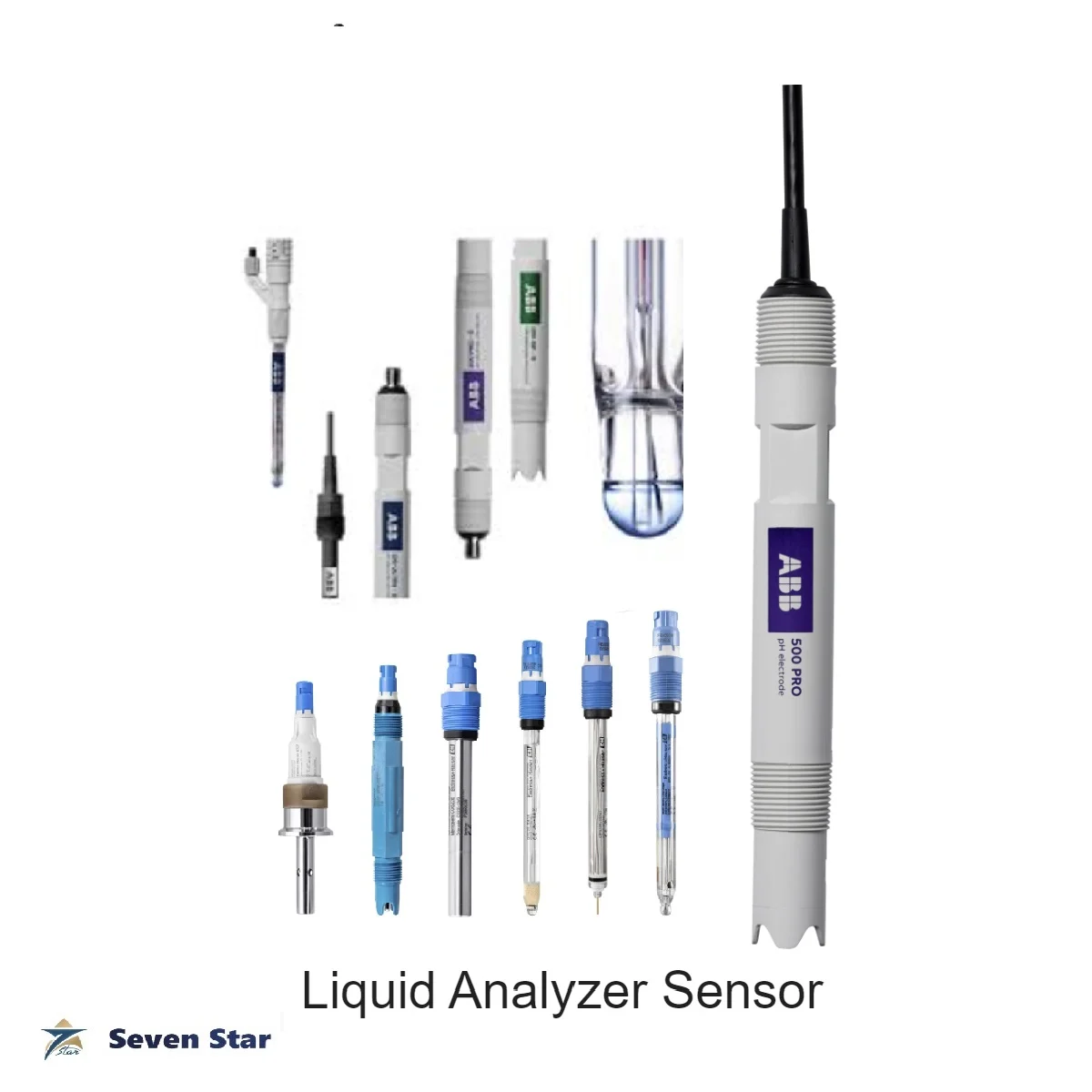
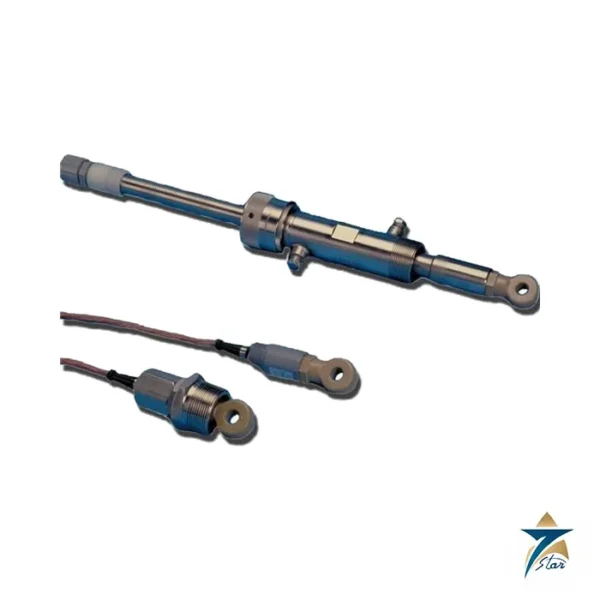
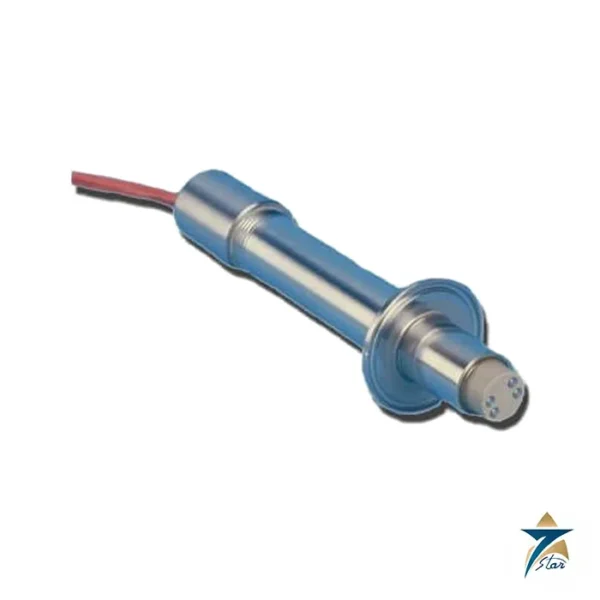
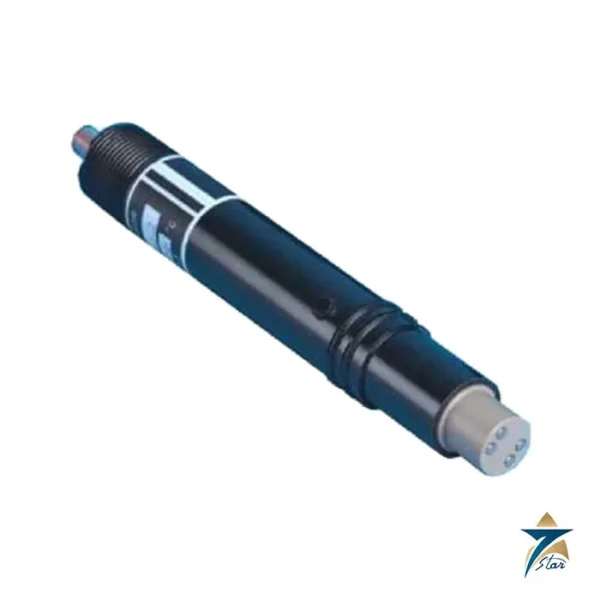
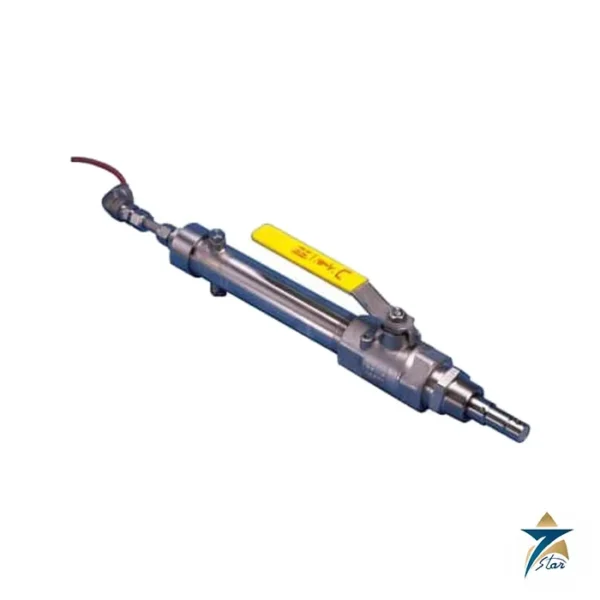
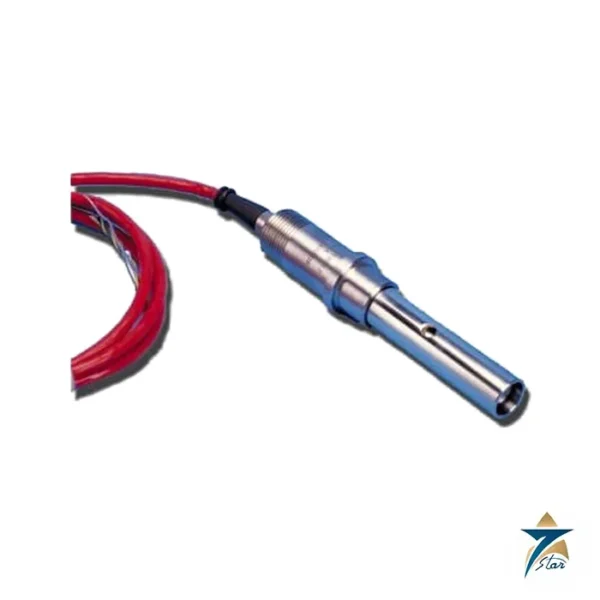
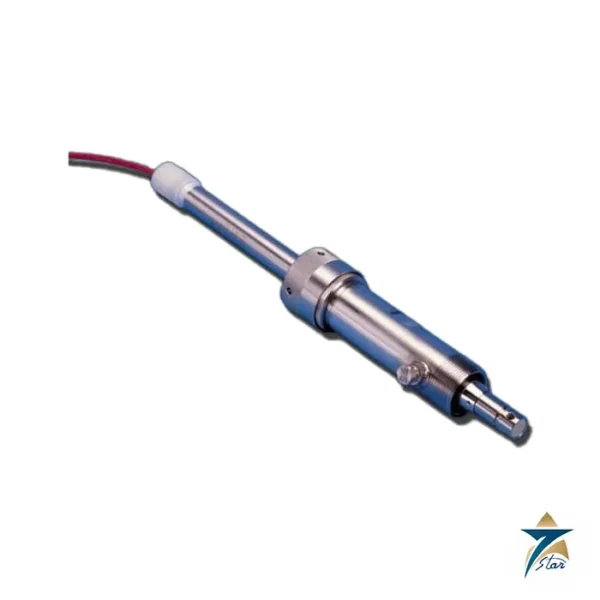
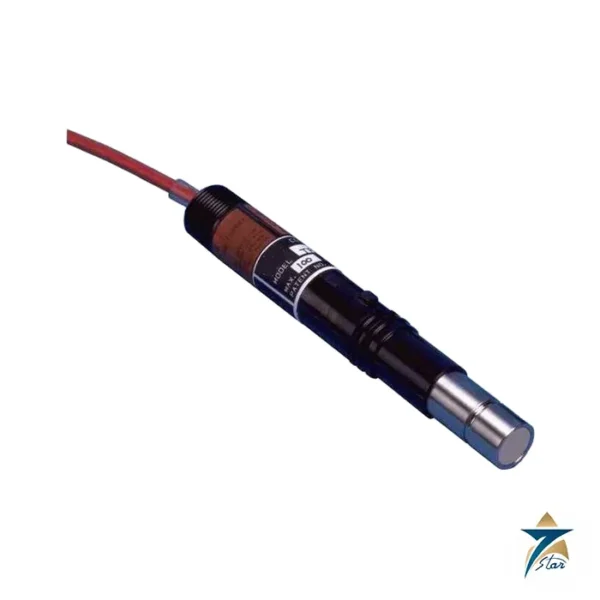
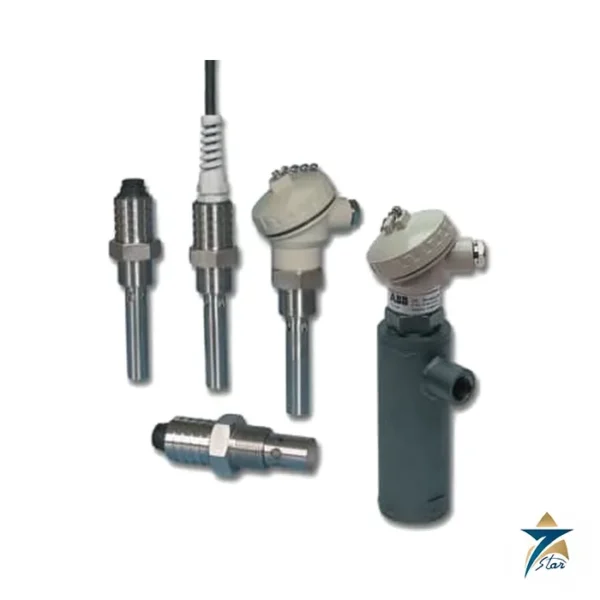
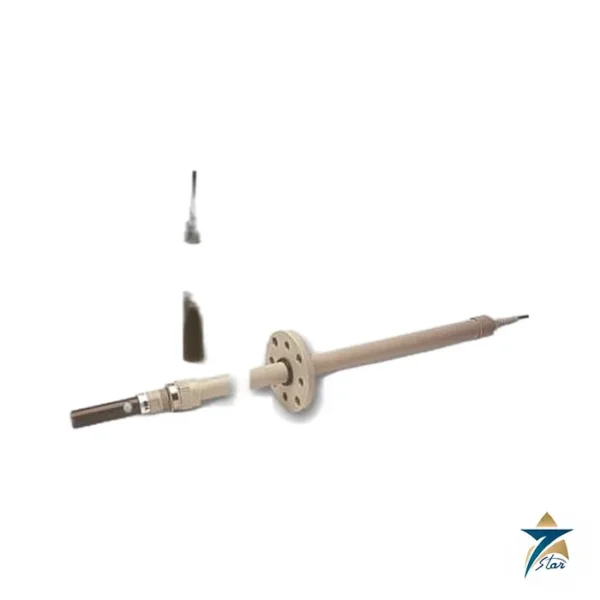
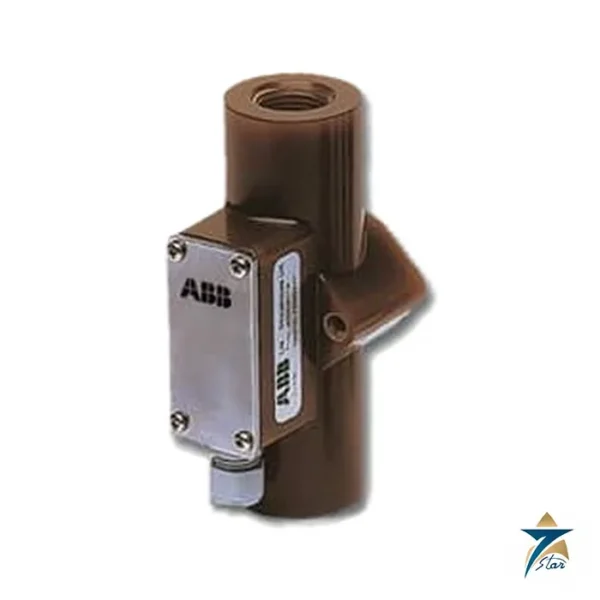
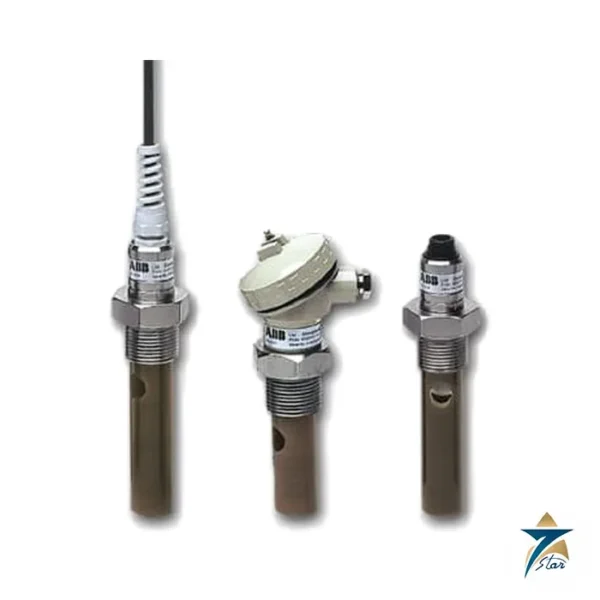
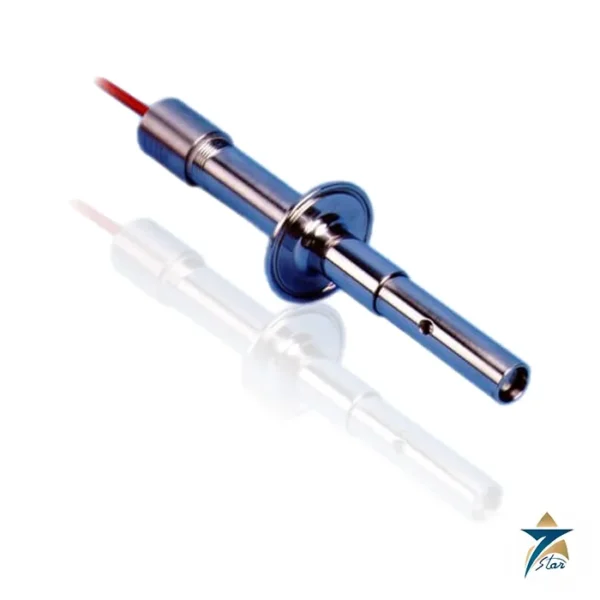
Accurate liquid analysis starts at the sensor, and Seven Star LLC supplies the pH, ORP, conductivity, and dissolved-oxygen sensors that feed reliable data into water treatment and process control systems across Oman and the GCC. Our Liquid Analysis Sensors range is led by ABB’s TB556 series pH/ORP sensors, alongside Hach LDO2 dissolved oxygen sensors, Rosemount TUpH pH/ORP sensors, Teledyne free-chlorine and pH sensor cartridges, and additional sensing hardware from JUMO, MICHELL Instruments, Endress+Hauser, and GESTRA.

These sensors are engineered for chemical resistance and long-term stability in demanding liquid streams, from boiler feedwater and cooling towers to wastewater and produced-water monitoring points. Kynar and other chemically resistant sensor bodies extend service life in aggressive media, while fast-responding electrodes support tight process control loops where lag time directly affects product quality or compliance.

Seven Star LLC helps water treatment and process engineers across Oman match sensor chemistry, immersion style, and cable length to their exact application, ensuring compatibility with existing transmitters and analyzer panels.

Frequently Asked Questions

How do glass electrode pH sensors function in industrial applications?
Glass electrode pH sensors measure the potential difference generated across a specialized glass membrane that responds selectively to hydrogen ion activity in the process fluid. This potential is compared against a stable reference electrode to provide a precise, real-time calculation of the liquid's pH value.
What is the advantage of using toroidal (inductive) conductivity sensors?
Toroidal conductivity sensors utilize internally encased magnetic coils to induce and measure an alternating current in the fluid, completely eliminating direct metal-to-liquid contact. This electrodeless design makes them highly resistant to fouling, polarization, and corrosion, rendering them ideal for heavily contaminated or highly concentrated chemical solutions.
How do optical dissolved oxygen sensors compare to amperometric designs?
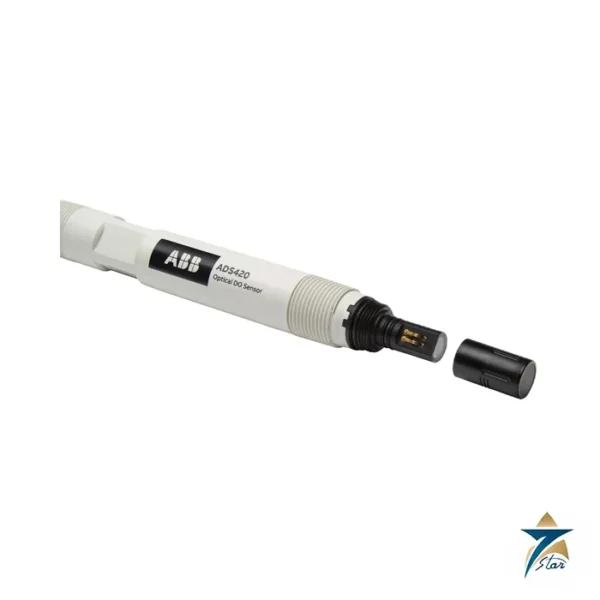
Optical dissolved oxygen sensors measure the luminescence quenching of a specialized dye, offering superior long-term stability and requiring zero flow velocity or membrane replacement. In contrast, amperometric sensors consume oxygen during measurement and require frequent electrolyte replenishment and membrane maintenance.
What are the primary applications for Oxidation-Reduction Potential (ORP) sensors?
ORP sensors are extensively used to monitor the effectiveness of oxidation or reduction reactions, such as the destruction of cyanide, reduction of chromate, or the dosing of chlorine in water treatment. They provide a reliable metric of the fluid's total sanitizing capacity or chemical reactivity.
How do modern smart sensors improve maintenance workflows?
Modern smart sensors incorporate integrated microprocessors that store calibration data, operational history, and predictive diagnostic information directly within the sensor head. This allows for pre-calibration in a controlled laboratory environment, enabling rapid plug-and-play field replacement and significantly reducing process downtime.