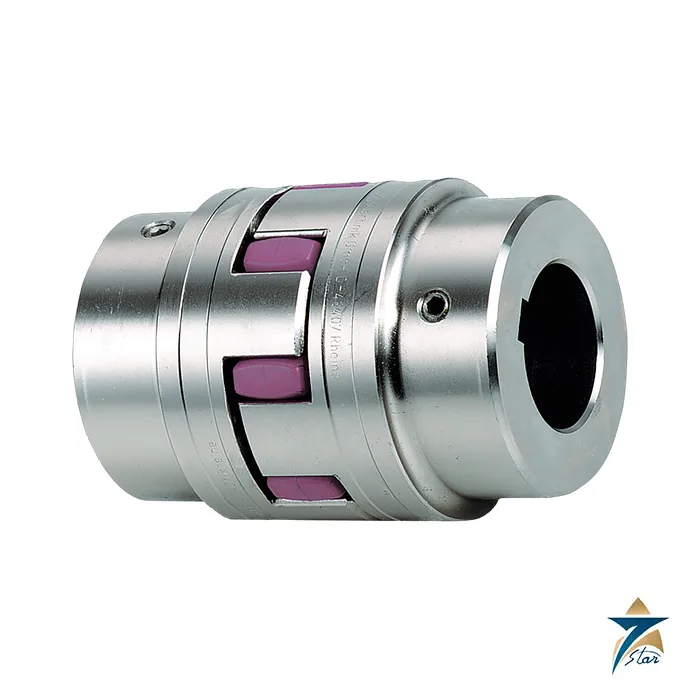
Plug-in jaw coupling that absorbs misalignment and shock
The KTR ROTEX is a torsionally flexible jaw coupling: two metal hubs with interlocking claws and a flexible polyurethane spider between them. The spider transmits the torque, damps shocks and torsional vibration, and compensates the shaft misalignment that comes from manufacturing tolerances, thermal expansion and foundation settling. Because the coupling plugs together axially, a motor, gearbox or pump can usually be moved away from the coupling without disturbing the hubs.
KTR, the Rheine manufacturer behind the design, reports that ROTEX was the first brand coupling to become a DIN standard. The data below comes from KTR operating and assembly instructions KTR-N 40210 EN (edition 27), which cover the standard shaft coupling, the double-cardanic type DKM and the version with taper clamping sleeve.
Technical specifications
| Parameter |
Specification |
| Manufacturer |
KTR Systems GmbH, Rheine, Germany |
| Coupling type |
Torsionally flexible jaw coupling, axially pluggable |
| Covered by KTR-N 40210 |
Type 001 shaft coupling, type 018 DKM double-cardanic, version with taper clamping sleeve and combinations |
| Sizes in the instruction |
5 to 180 (hub material depends on size) |
| Spider hardness |
92 Shore A, 98 Shore A, 64 Shore D, available as T-PUR or PUR |
| Rated torque TKN, 92 Shore A spider |
0.5 Nm (size 5) to 18,650 Nm (size 180) |
| Rated torque TKN, 98 Shore A spider |
0.9 Nm (size 5) to 28,000 Nm (size 180) |
| Rated torque TKN, 64 Shore D spider |
2.4 Nm (size 7) to 35,000 Nm (size 180) |
| Maximum torque TK max. |
Rated torque of the coupling multiplied by 2 |
| Hub materials |
Sintered steel, aluminium die-cast (Al-D), aluminium (Al-H), cast iron GJL, nodular iron GJS, steel |
| Finish bores |
H7 with keyway to DIN 6885 sheet 1 (JS9) and setscrew; for example 16 mm maximum on steel size 14, 62 mm on size 48, 200 mm on size 180 |
| Type DKM shaft distance (DBSE) |
42 mm (size 19) to 130 mm (size 90) |
| Taper clamping sleeve versions |
Sizes 24 to 125 with sleeves 1008 to 4545 |
| Axial displacement Ka, size 14 |
-0.5 mm / +1.0 mm; size 180: -3.0 mm / +6.4 mm |
| Radial displacement Kr at 1500 rpm, 92/98 Shore A |
0.17 mm (size 14) to 0.68 mm (size 180) |
| Angular displacement Kw at 1500 rpm, 92/98 Shore A |
0.9 to 1.3 degrees depending on size |
| Explosion protection marking |
II 2G Ex h IIC T6 to T4 Gb X; II 2D Ex h IIIC T80 °C to T110 °C Db X; I M2 Ex h I Mb X |
| Ambient temperature range (PUR / T-PUR spider) |
T4: -30 °C to +90 °C; T5: -30 °C to +75 °C; T6: -30 °C to +60 °C |
Choosing the spider, hub and size
The spider hardness sets the balance between damping and torsional stiffness. The 92 Shore A and 98 Shore A spiders give more damping at lower rated torque; the 64 Shore D spider gives the highest rated torque for the same size but allows smaller radial displacement (0.11 mm to 0.49 mm at 1500 rpm in the KTR table). KTR states that the torque figures apply to the spider only, so the shaft-hub connection, meaning key and bore, has to be checked separately.
Selection follows DIN 740 part 2 with the service factors of the application. For drives with cyclic torsional loading, such as diesel engines, piston pumps and piston compressors, KTR calls for a torsional vibration calculation before the size is fixed. Aluminium die-cast hubs (Al-D) are marked in the instruction as having no approval for ATEX use, and couplings with brake drums, brake disks, torque limiters or fan impellers are excluded from the explosive-atmosphere approval and need a separate analysis.
Installation, alignment and inspection
Hubs are supplied preserved and keep for 6 to 9 months in a dry, roofed store; spiders keep their properties for up to 5 years under favourable storage. Alignment must stay inside the displacement tables: radial and angular values are not cumulative, so when both occur the permissible shares are added up to 100 percent. In explosion group IIC only half of the table values are allowed.
For equipment categories 2G and 2D in explosion group IIC, KTR requires a first check of torsional backlash and spider wear after 2,000 operating hours or three months. Without group IIC gases the first check is at 3,000 hours or six months. The spider has to be replaced once the wear limit for backlash is reached; for size 38 the limit is 3 mm of friction, and for size 90 it is 8 mm.
Documents and quotation
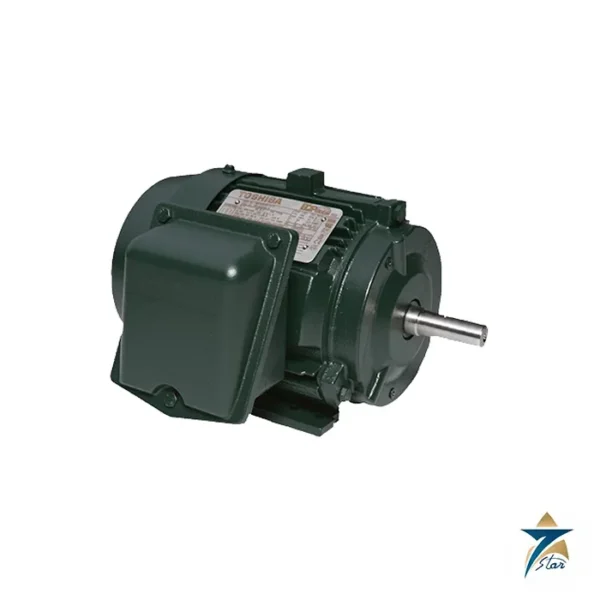
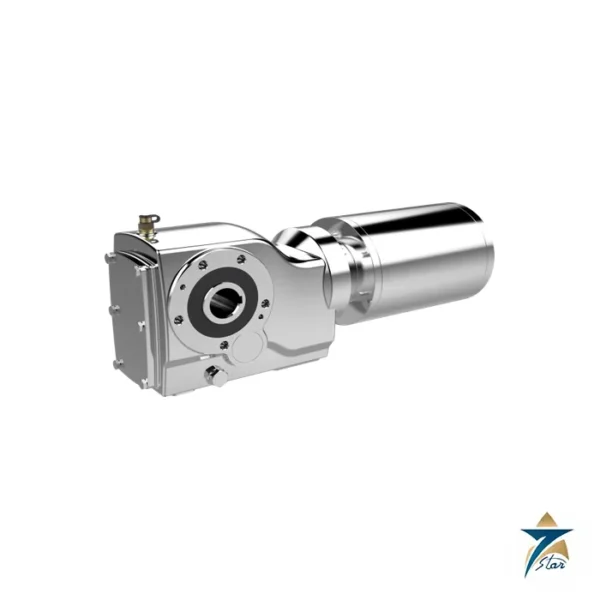
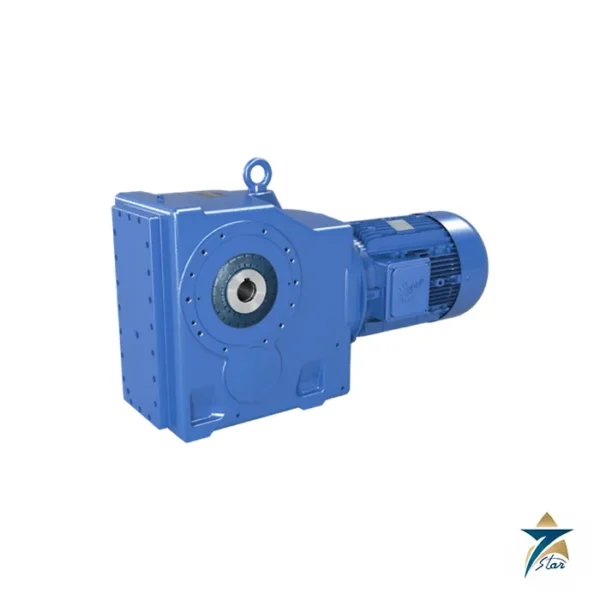
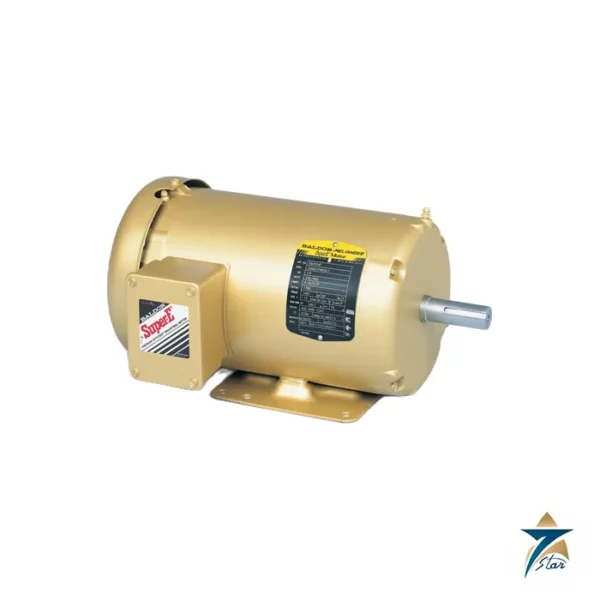
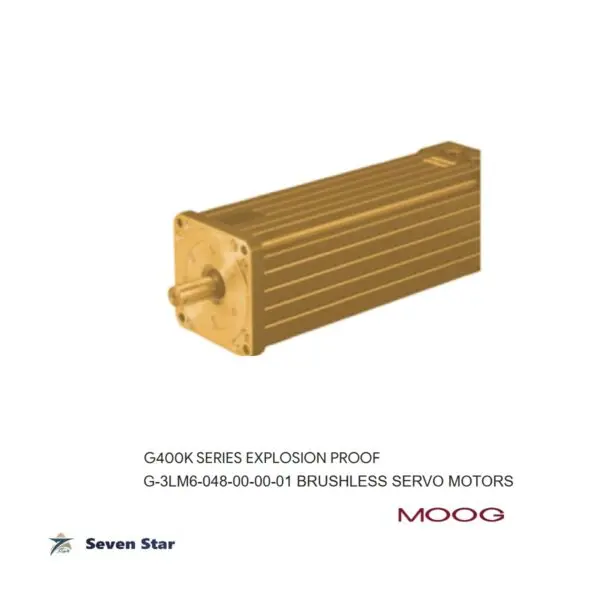
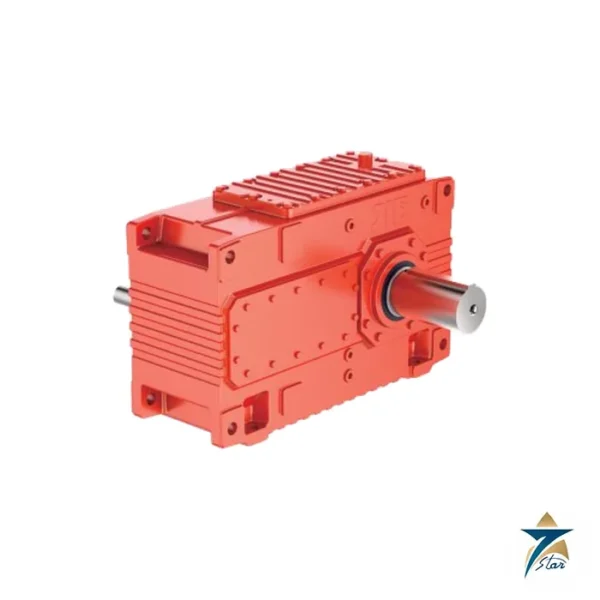
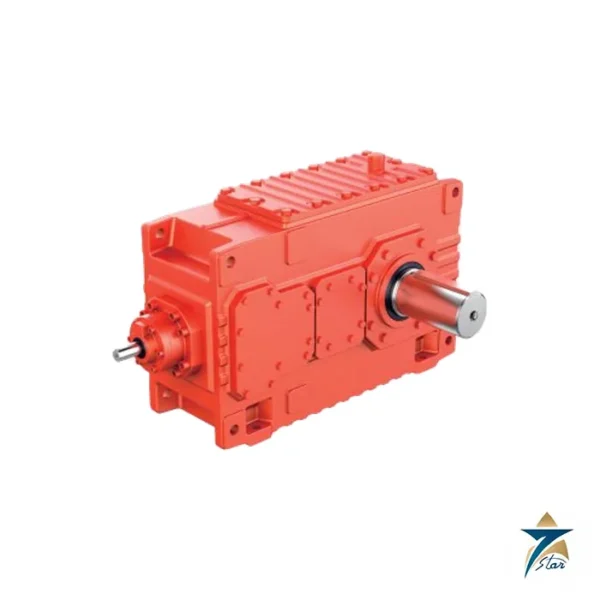
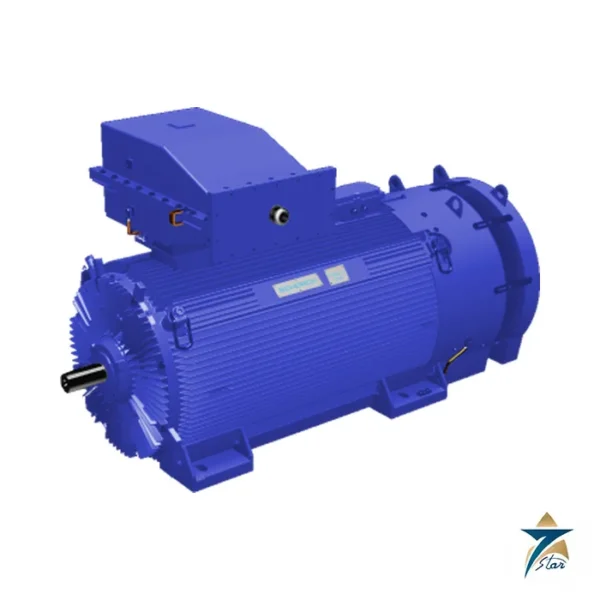
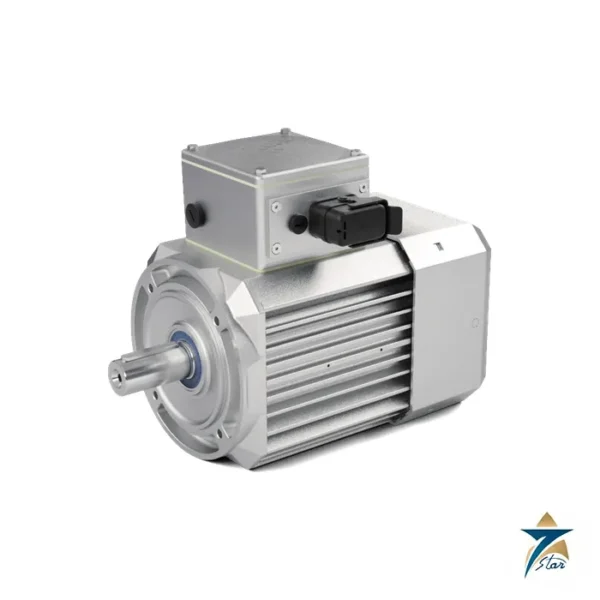
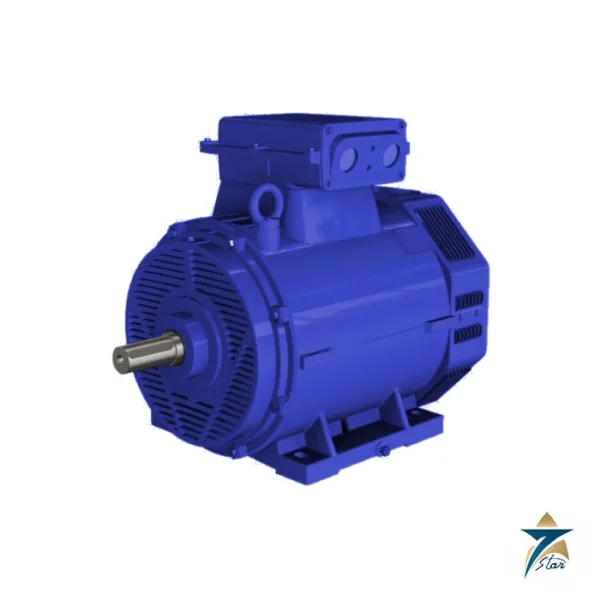
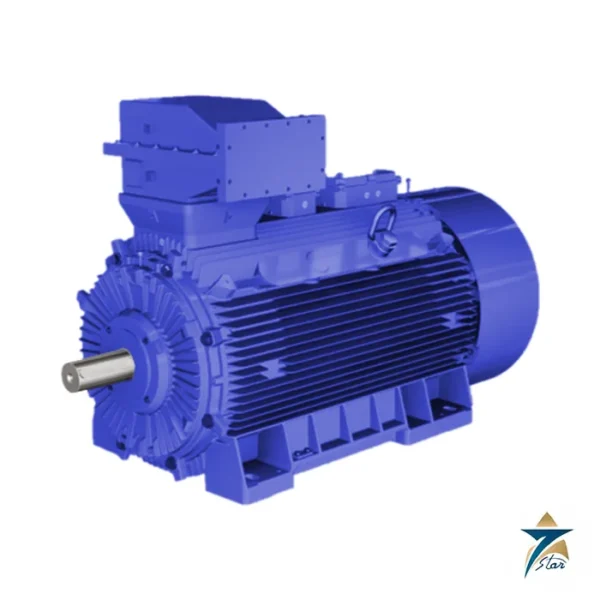
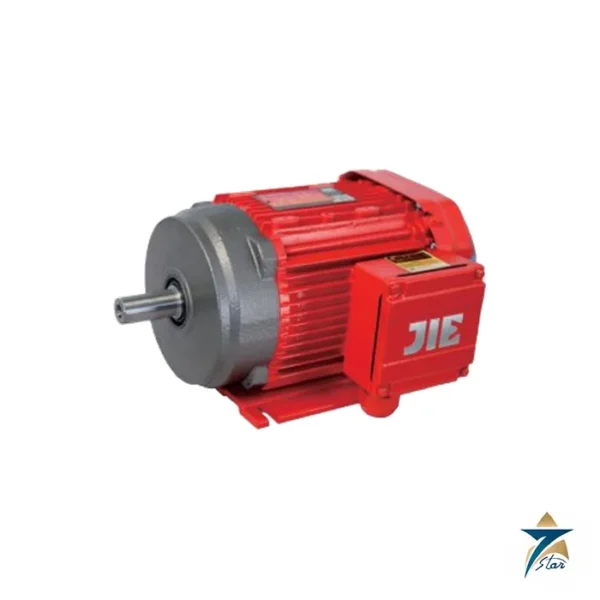
The attached PDF is the KTR operating and assembly instruction for ROTEX, not a product catalogue. Dimension drawings for the flange, brake-drum, brake-disk and intermediate-shaft variants are in the KTR drive technology catalogue. For a quotation send the driven and driving machine, power and speed, the size or torque, spider hardness, hub material and bore with keyway for each shaft, ambient temperature and any ATEX category required. Motors and gear units to pair with it are listed under Electric Motors and Gear Units, for example the NORD UNICASE helical bevel gear units.










Reviews
There are no reviews yet.