Seven Star L.L.C

Liquid Analytical Systems

Liquid analytical systems are the transmitters and complete analyzers that turn a sensor signal or a wet-chemistry measurement into a value the control room can use. This category covers conductivity, pH and dissolved oxygen transmitters, online analyzers for silica, sodium, hydrazine, fluoride and total organic carbon, turbidity and oil-in-water monitors, and laboratory titrators. The main brands are ABB, Hach, Sitelab, Galvanic and Endress+Hauser. Seven Star LLC supplies these industrial liquid analyzers to plants in Oman and the GCC.
Read more about Liquid Analytical Systems

Category guide

About Liquid Analytical Systems

54 products 13 brands

Liquid analytical systems are the transmitters and complete analyzers that turn a sensor signal or a wet-chemistry measurement into a value the control room can use. This category covers conductivity, pH and dissolved oxygen transmitters, online analyzers for silica, sodium, hydrazine, fluoride and total organic carbon, turbidity and oil-in-water monitors, and laboratory titrators. The main brands are ABB, Hach, Sitelab, Galvanic and Endress+Hauser. Seven Star LLC supplies these industrial liquid analyzers to plants in Oman and the GCC.

Types of liquid analyzer listed

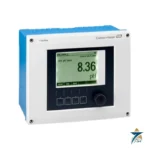
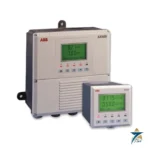
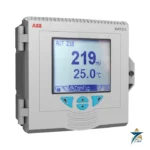
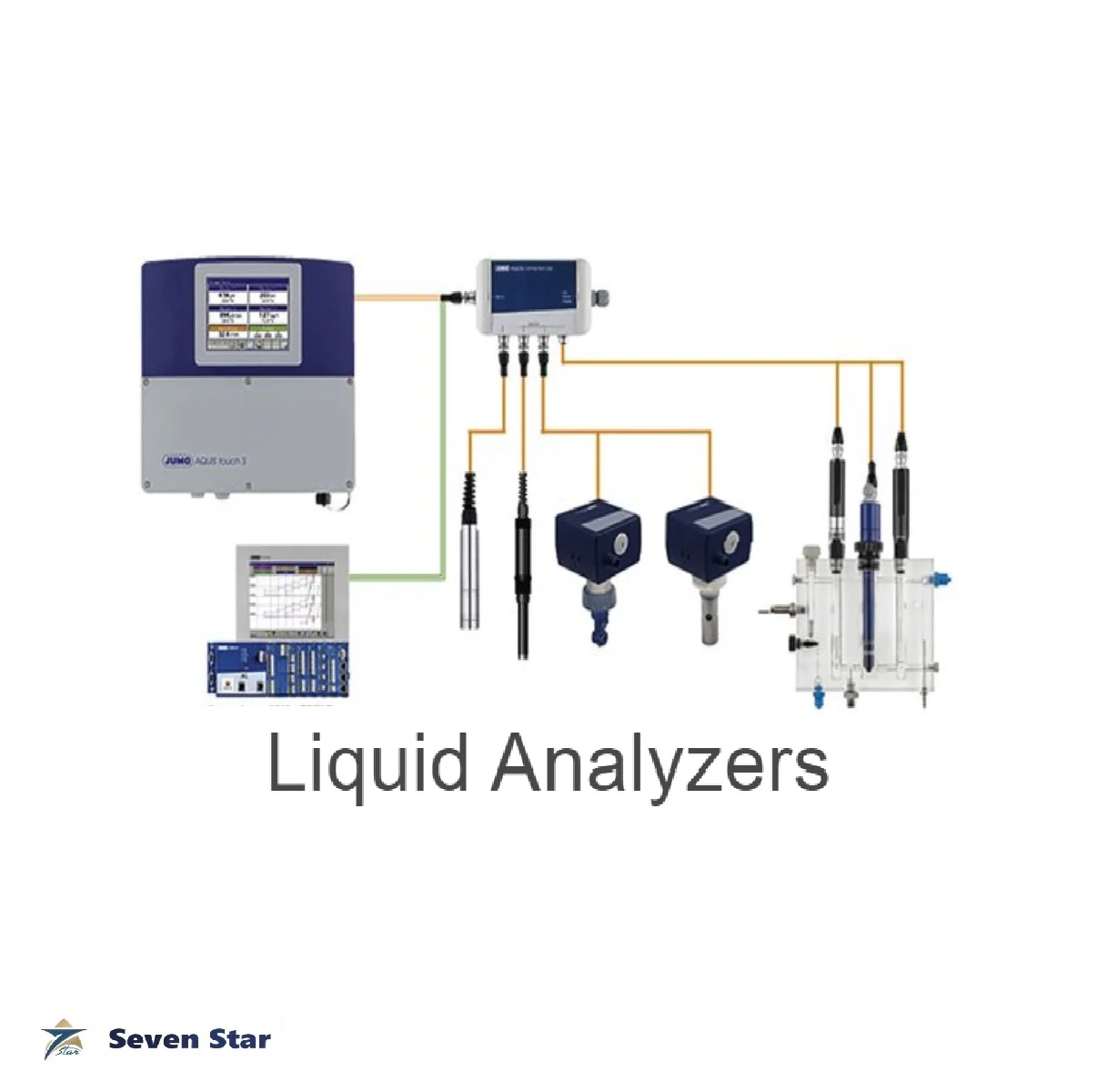
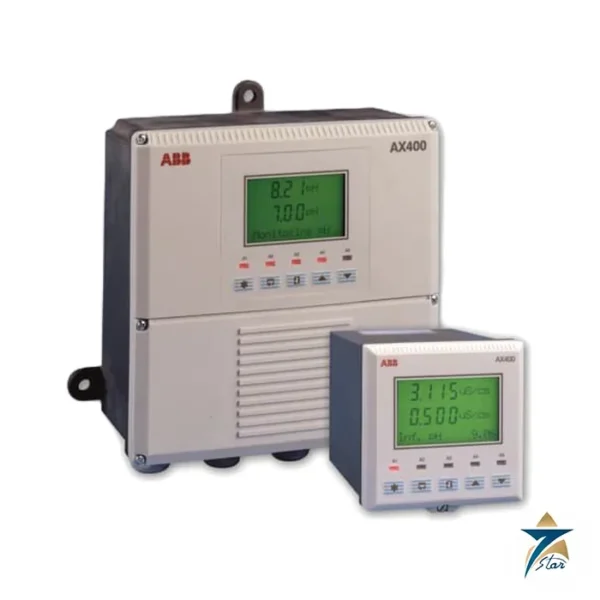
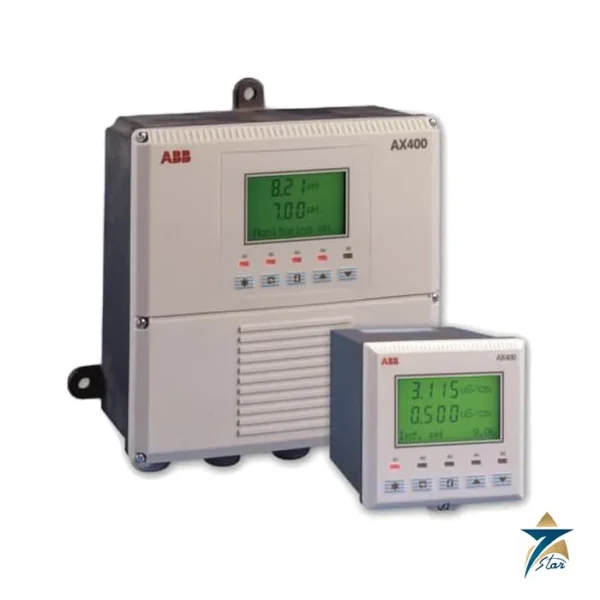
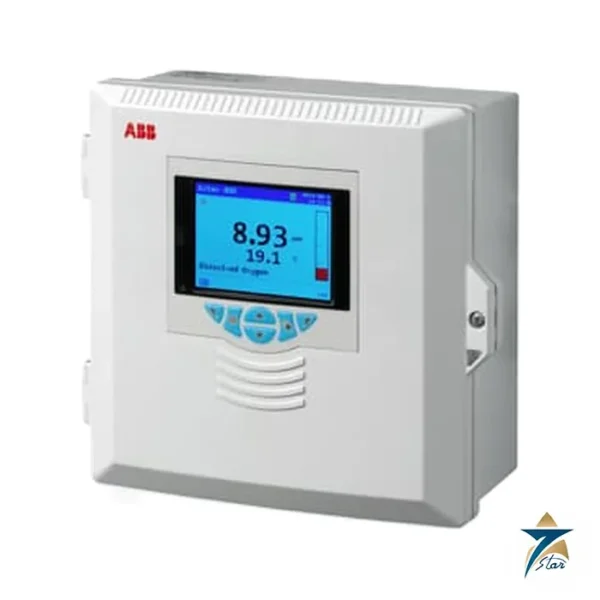
  • Transmitters: single, dual and multi-channel units for conductivity, pH/ORP and dissolved oxygen sensors, from ABB, Endress+Hauser and Yokogawa.
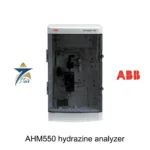
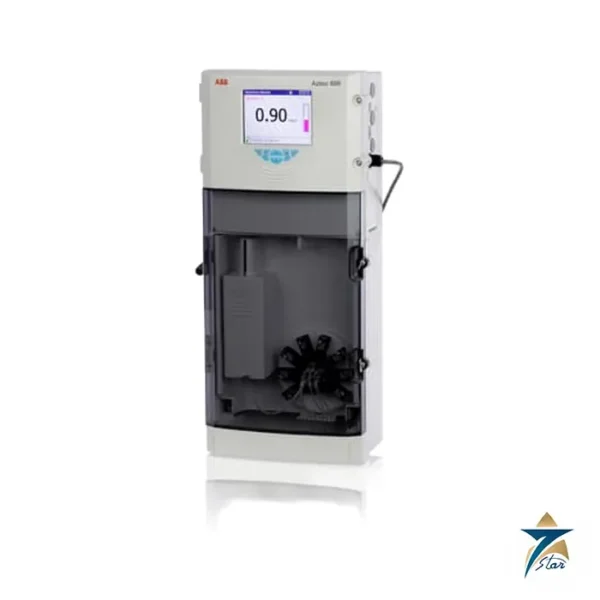
  • Online water analyzers for silica, sodium, hydrazine and fluoride from ABB and Hach.
  • Online TOC analyzers from Hach and Forbes Marshall.
  • Turbidity, suspended solids, color and oil-in-water monitors from Galvanic.
  • Sitelab UV fluorescence instruments for TPH and oil fingerprinting.
  • Metrohm titrators and process analyzers, a BARTEC salt in crude analyzer, and units from AppliTek and ProMinent.

Selecting a liquid analyzer system

Begin with the parameter and the range, then describe the sample. Temperature, pressure, solids, oil and air bubbles at the sample point decide how much sample preparation an online analyzer needs: cooling, pressure reduction, filtration or degassing. Wet-chemistry analyzers work in cycles and need reagents, a drain and regular attention, so the number of streams, the cycle time and the reagent consumption belong in the comparison. Transmitters are simpler. The questions there are which sensors they accept, how many channels are needed and which outputs the control system expects, typically 4-20 mA with HART, Modbus or PROFIBUS. In classified areas the analyzer needs a suitable Ex version or a purged enclosure.

What to send for a quotation

Send the parameter, range and required detection limit, the sample composition, temperature and pressure, the number of sample streams, outputs, power supply, ambient conditions and area classification. For a replacement, add the model code and serial number of the existing unit. We check the configuration against the manufacturer documentation, propose the manufacturer’s successor for obsolete models, and provide datasheets and manufacturer certificates on request.

What to include in your inquiry

These details let us quote the right item the first time.

  • Parameter (pH, conductivity, dissolved oxygen, chlorine, turbidity)
  • Measuring range
  • Process pressure and temperature
  • Installation: inline, immersion or flow-through
  • Transmitter model the sensor must work with
  • Cable length

Missing some of them? Send what you have. A nameplate photo or an old part number is enough to start.
Request a Quote for Liquid Analytical Systems

Looking for a specific model, part number or brand in Liquid Analytical Systems? Send us your requirements and quantities. Seven Star LLC sources genuine industrial equipment for customers across Oman and the GCC and replies with a formal quotation.

Free, no-obligation quotation · takes about 1 minute

Other enquiries: [email protected] · WhatsApp

Frequently Asked Questions

What is the difference between TOC and COD measurement?
A TOC analyzer oxidizes the organic compounds in the sample to carbon dioxide and measures that gas, so the result is the mass of organically bound carbon. COD expresses how much oxygen a chemical oxidant consumes when it reacts with the sample. TOC is faster and suits continuous online measurement, but any conversion from TOC to COD is a site-specific correlation that must be established on your own water.
Can I replace an old transmitter and keep the installed sensors?
Often yes, when the sensors are conventional analog types. The new transmitter must accept the sensor signal, the temperature compensation element and, for conductivity, the cell constant. Digital sensors normally need a transmitter from the same family. Send the model codes of the old transmitter and of each sensor. We check in the manufacturer documentation which current transmitter replaces it and what, if anything, must change.
What utilities and consumables does an online wet-chemistry analyzer need?
Besides power and a signal connection, it needs a continuous sample supply within the stated flow, pressure and temperature limits, a free-flowing drain, and reagents and calibration standards that are replenished at fixed intervals. Some analyzers also need instrument air or demineralized water. Ask for the reagent consumption and the list of recommended spares together with the analyzer offer.
How many measuring points can one transmitter or analyzer handle?
It depends on the family. Single-channel transmitters serve one sensor, dual-channel units two, and modular multi-parameter transmitters accept several sensors of different types in one housing. Multi-stream wet-chemistry analyzers switch one measuring cell between several sample lines, which reduces hardware per point but lengthens the update time for each stream. Tell us the number of points and the acceptable update time.
What should I include in an inquiry for a liquid analyzer?
Parameter and range, sample matrix with temperature, pressure, solids and oil content, number of streams, required outputs and protocol, power supply, ambient temperature, enclosure and area classification requirements, and the documents you need with the instrument. A copy of the project datasheet is ideal. For replacements, add the model code and serial number of the existing analyzer.