- Vibration Monitoring
- PLC & I/O Cards
- Industrial Communications
- Controllers & Data Acquisition
- Automation Accessories
- AC Drives
- Isolator & Barrier
- Industrial Computers
- Encoders
- Automation Software
- HMI Displays
- Safety Switches & Guard Locking
- Motor Soft Starters
- Servo Drives
- CCTV & Security
- Machine Vision
- Pneumatic Cylinders
- Robotics







Category guide
About Temperature Instrumentation
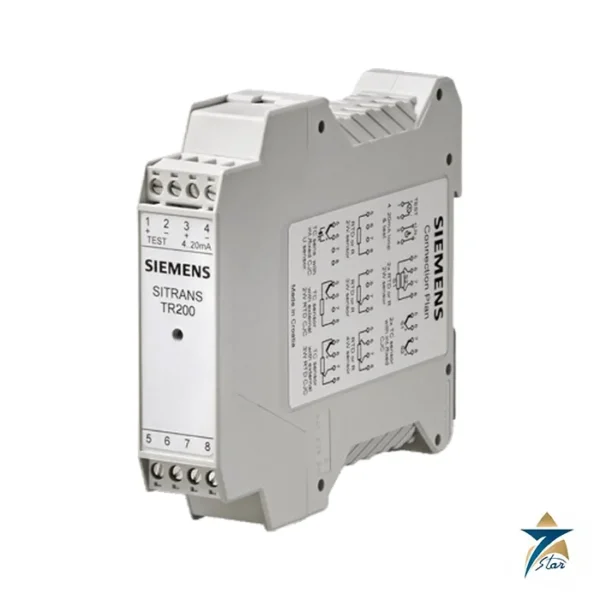
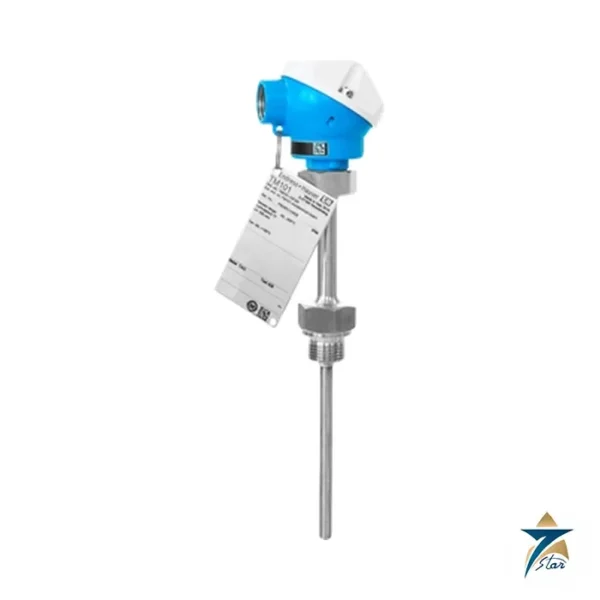
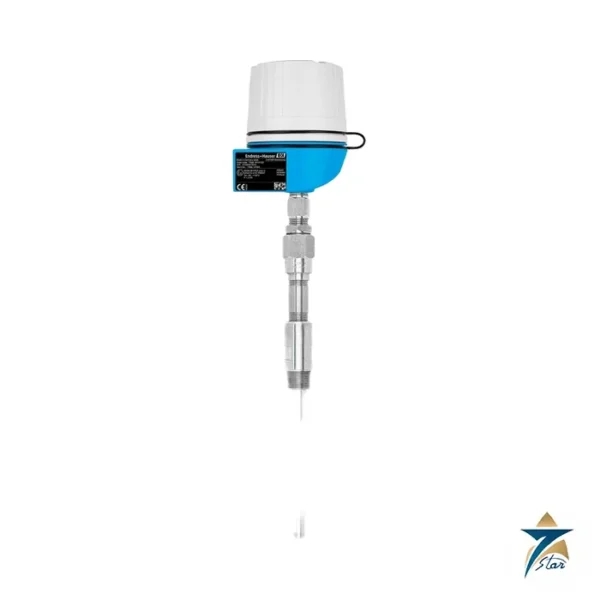
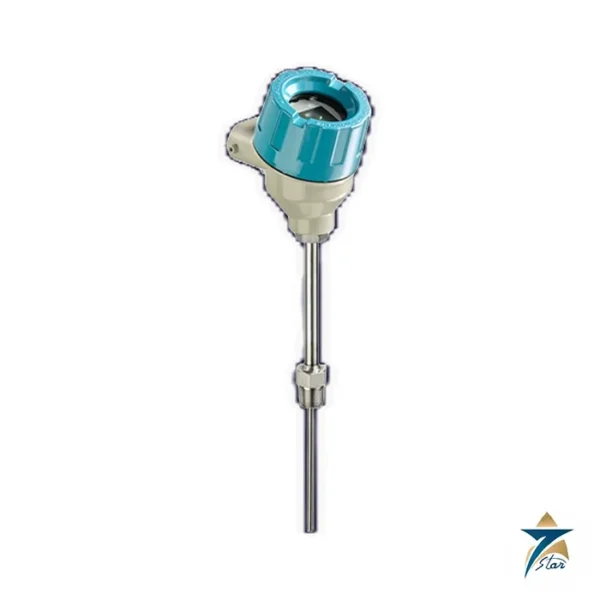
Temperature instrumentation in this category covers RTD probes and thermometer assemblies, head-mount, rail-mount and field-mount temperature transmitters, wireless units, safety temperature limiters and dry block calibrators. The products come from JUMO, WIKA, Rosemount, Endress+Hauser and ABB, with further items from other makers listed below. Seven Star LLC supplies these temperature sensors and transmitters from Muscat to process plants, utilities and building-services contractors in Oman and the GCC.
Temperature sensors, transmitters and calibrators listed
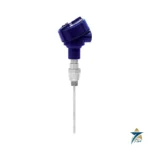
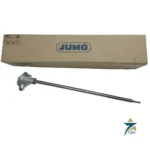
- RTD temperature probes: screw-in, mineral-insulated and thermowell-mounted assemblies from JUMO, WIKA, ABB and Rosemount.
- Temperature transmitters with 4-20 mA, HART or wireless output from Rosemount, Siemens and Yokogawa.
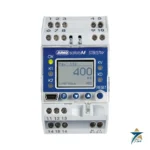
- Safety temperature limiters and monitors from JUMO.
- Humidity and temperature sensors for ducts and rooms, with Siemens, Vaisala and Industrie Technik in the list.
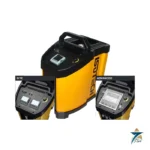
- Dry block calibrators from Isotech for checking sensors on site.
- Further items from Moore Industries and Honeywell.
Choosing an RTD, a thermocouple and a temperature transmitter
RTDs are the usual choice for moderate temperatures where accuracy and stability count. Thermocouples cover higher temperatures and tolerate vibration better. For an RTD the wiring matters: three-wire and four-wire connections compensate for lead resistance, and four-wire gives the best result. The sensor normally sits in a thermowell so it can be changed with the process running. Thermowell length, shape and material follow the line size, velocity and fluid, and on fast-flowing lines a wake frequency calculation to ASME PTC 19.3 TW is commonly required. A transmitter in the connection head converts the sensor signal to 4-20 mA close to the source, which avoids long runs of sensor cable. Ex ia or Ex d versions are used in classified areas.
What to send for a quotation
For a sensor, send type and class, number of elements, insertion length and diameter, process connection, thermowell material and dimensions, head type and temperature range. For a transmitter, send input type, range, output, mounting style and approvals. A full model code is the best reference. We check it against the manufacturer documentation and propose the manufacturer’s successor for obsolete models.
What to include in your inquiry
These details let us quote the right item the first time.
- Sensor type (RTD, thermocouple) or transmitter model
- Temperature range
- Insertion length, diameter and thermowell
- Process connection
- Output signal (4-20 mA, HART, fieldbus)
- Hazardous-area approval, if required
Missing some of them? Send what you have. A nameplate photo or an old part number is enough to start.