Valve Positioner

Valve Positioners

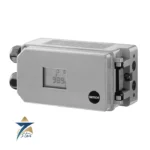
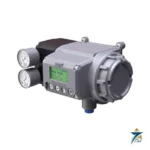
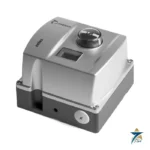
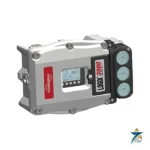
A valve positioner compares the control signal with the actual stem or shaft position and adjusts the air pressure to the actuator until the two agree. Seven Star LLC supplies pneumatic, electropneumatic and digital valve positioners in Oman from Masoneilan, Fisher, Samson, Foxboro and Rotork. The 27 listed items serve control valves and shutdown valves, and also include position transmitters, an electro-pneumatic transducer and remote position sensors.
Read more about Valve Positioners

Category guide

About Valve Positioners

27 products 8 brands

A valve positioner compares the control signal with the actual stem or shaft position and adjusts the air pressure to the actuator until the two agree. Seven Star LLC supplies pneumatic, electropneumatic and digital valve positioners in Oman from Masoneilan, Fisher, Samson, Foxboro and Rotork.

The 27 listed items serve control valves and shutdown valves, and also include position transmitters, an electro-pneumatic transducer and remote position sensors.

Pneumatic, electropneumatic and digital valve positioners

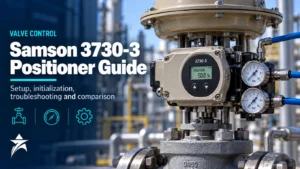
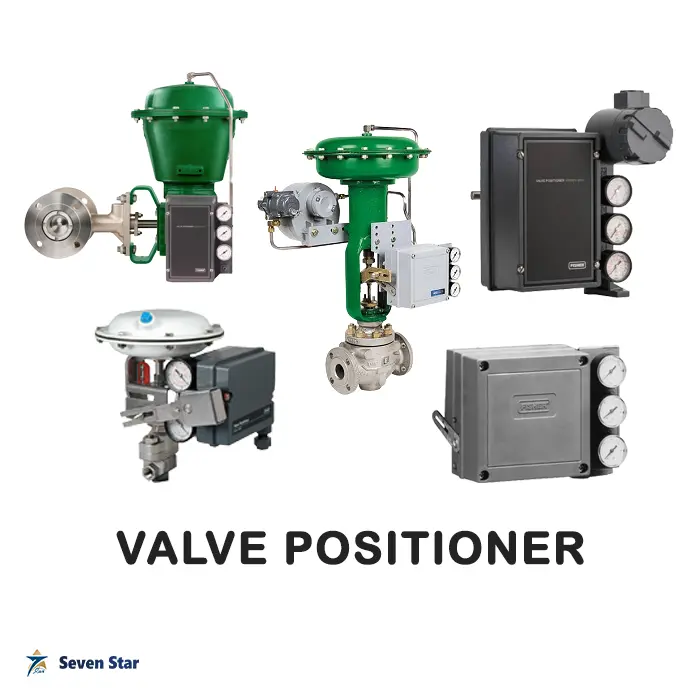
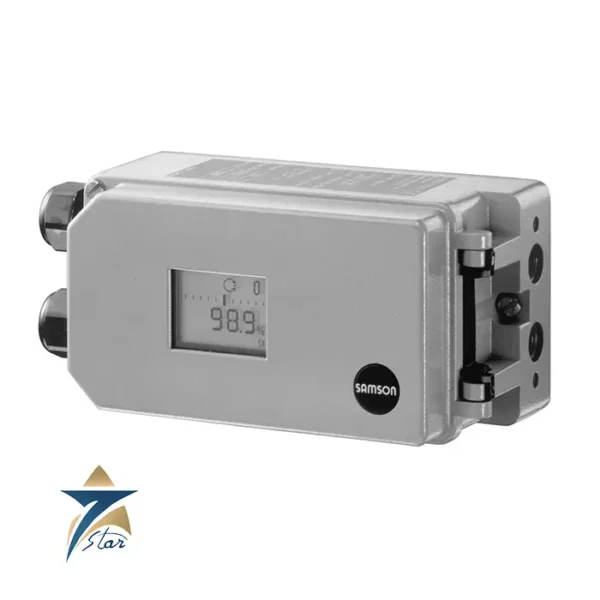
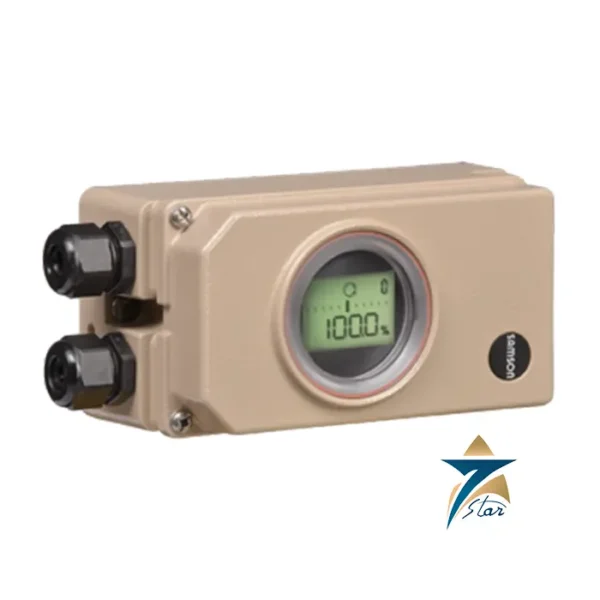
Pneumatic positioners, such as the Masoneilan 4700P/4800P and 4200P and the Fisher 3610J, take a pneumatic signal and need no electricity at the valve. Electropneumatic units such as the Masoneilan 4700E/4800E accept a 4-20 mA signal directly. Digital positioners, also called smart positioners or digital valve controllers, use a microprocessor and add self-calibration, diagnostics and communication. Listed examples are the Masoneilan SVI3 and SVI FF, the Fisher FIELDVUE DVC6200 and the Samson TROVIS 3730-1. The Masoneilan SVI II ESD is intended for emergency shutdown valves and can run a partial stroke test while the valve stays in operation.

Choosing a positioner for an existing valve

Four things decide the choice. First the actuator: linear or rotary, single-acting (spring return) or double-acting, and its stroke or rotation angle. Second the signal: pneumatic, 4-20 mA, HART, FOUNDATION Fieldbus or PROFIBUS PA. Third the area classification, which determines the protection type needed, intrinsically safe or flameproof. Fourth the mounting: many positioners follow IEC 60534-6-1 (NAMUR) for linear actuators or VDI/VDE 3845 for rotary actuators, but a number of valve and actuator combinations need a specific mounting kit. Where vibration or heat at the valve is severe, a remote position sensor lets the electronics sit away from the actuator.

Information to send with a positioner inquiry

Give the full model code of the positioner if you are replacing like for like. For a new selection, send the valve and actuator make and model, stroke or angle, single or double acting, air supply pressure, input signal and protocol, the hazardous-area certification required, and any options such as position feedback, limit switches or gauges. We check the model code against the manufacturer documentation and can propose the manufacturer’s successor for an obsolete positioner, for sites across the GCC.

What to include in your inquiry

These details let us quote the right item the first time.

  • Actuator type: linear or rotary, single or double acting
  • Input signal (4-20 mA, HART, fieldbus)
  • Model code of the existing positioner
  • Hazardous-area approval, if required
  • Mounting kit for the valve and actuator

Missing some of them? Send what you have. A nameplate photo or an old part number is enough to start.

Request a Quote for Valve Positioners

Looking for a specific model, part number or brand in Valve Positioners? Send us your requirements and quantities. Seven Star LLC sources genuine industrial equipment for customers across Oman and the GCC and replies with a formal quotation.

Free, no-obligation quotation · takes about 1 minute

Other enquiries: [email protected] · WhatsApp

Frequently Asked Questions

What is the difference between a valve positioner and an I/P transducer?
An I/P transducer simply converts a 4-20 mA signal into a proportional air pressure. It has no knowledge of where the valve is. A positioner measures valve position through a feedback linkage or sensor and keeps correcting its output until the valve reaches the commanded point, so it overcomes packing friction and process forces. A transducer is often used ahead of a pneumatic positioner.
Can a digital positioner from one manufacturer be fitted to another manufacturer's valve?
In most cases yes. Positioners are mounted through standardized interfaces, NAMUR for linear actuators and VDI/VDE 3845 for rotary ones, and manufacturers offer mounting kits for common actuator models. What must be checked is the stroke or angle range, single or double acting operation, air capacity for the actuator volume, and the feedback linkage. Send the actuator model and we will check the kit.
How do I replace an obsolete pneumatic positioner?
Start with the model code and serial number on the nameplate. We check it against the manufacturer documentation and, if the unit is discontinued, propose the manufacturer's successor, which is often a digital model. Moving from pneumatic to digital means running a 4-20 mA signal cable to the valve and confirming the hazardous-area approval, so tell us what signal is available in the field.
What is partial stroke testing on a shutdown valve?
A shutdown valve may stay open for years, and a stuck valve would go unnoticed. In a partial stroke test the positioner moves the valve a small part of its travel and back while the process keeps running, and records the pressure and travel response. A successful test shows that the valve and actuator are free to move. It supplements full stroke proof tests; it does not replace them.
Which communication protocol should I specify for a smart positioner?
Match the control system. HART positioners use a standard 4-20 mA loop with a digital signal superimposed, so they work with ordinary analog output cards and a handheld or asset management system. FOUNDATION Fieldbus and PROFIBUS PA positioners are fully digital, bus-powered devices and need the corresponding segment and host. The same positioner family is often built in each version under a different model code.