Seven Star L.L.C

Liquid Analytical Systems

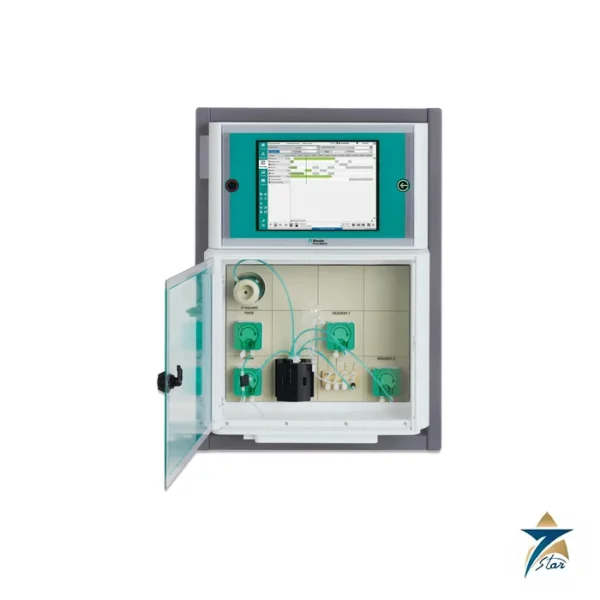
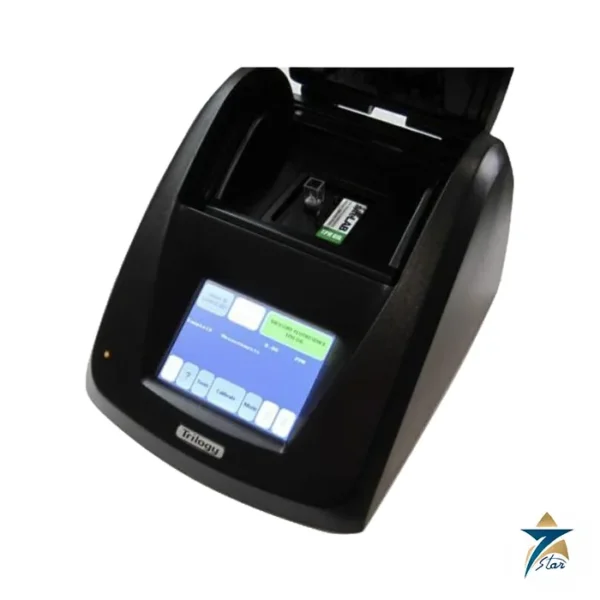
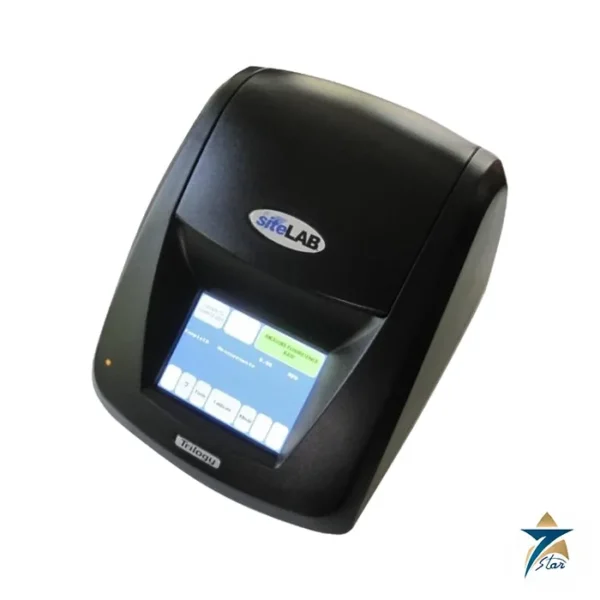
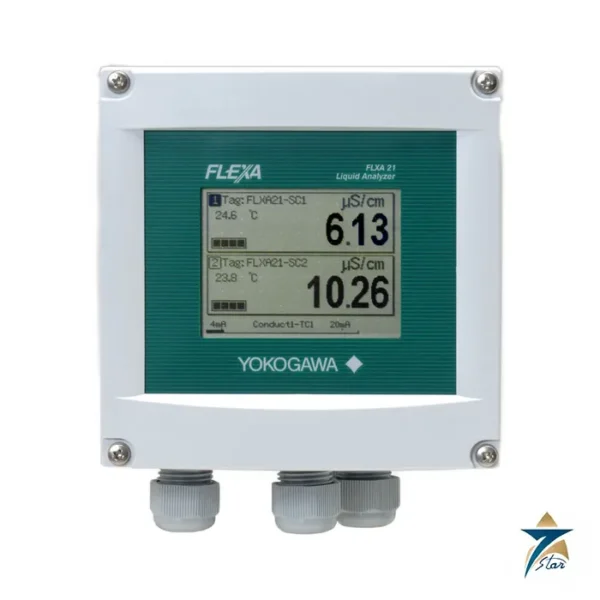
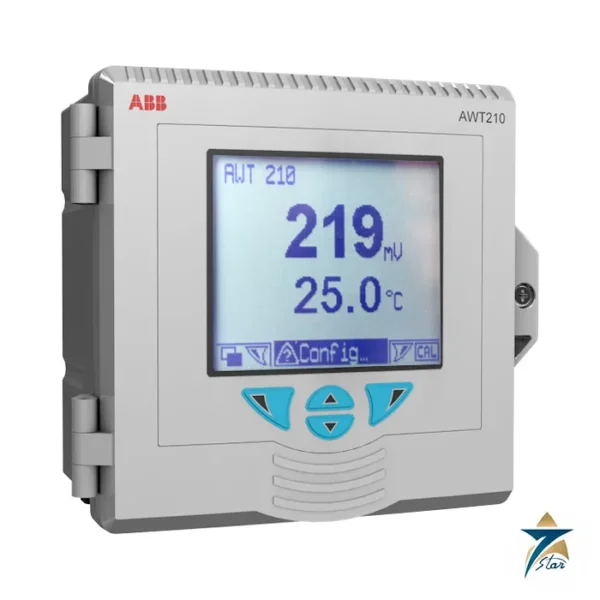
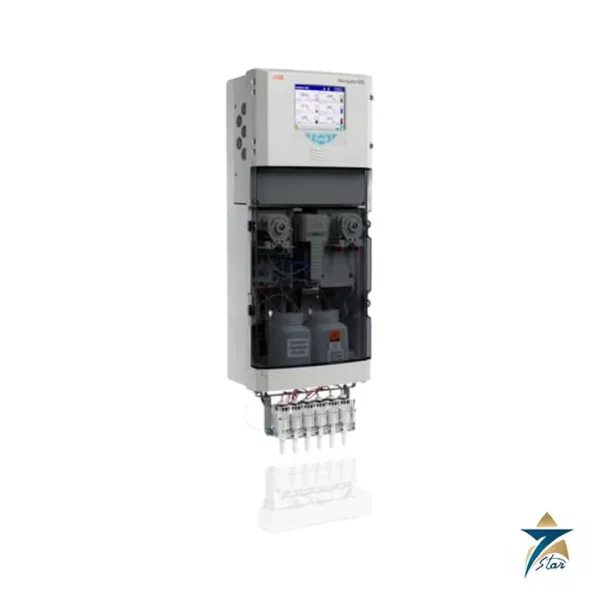
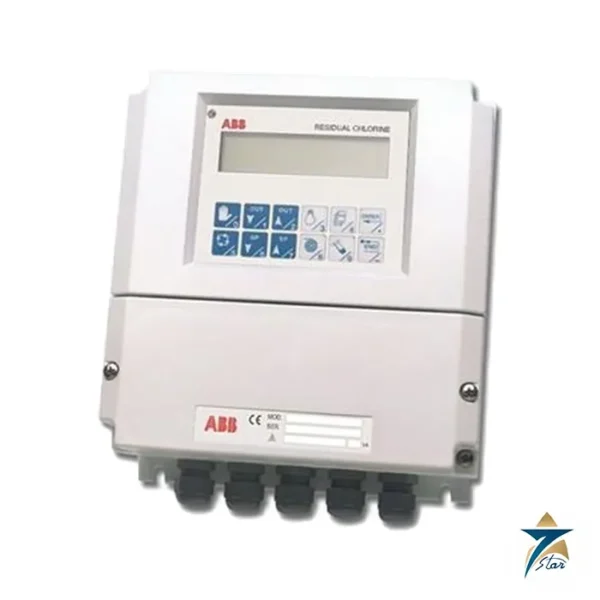
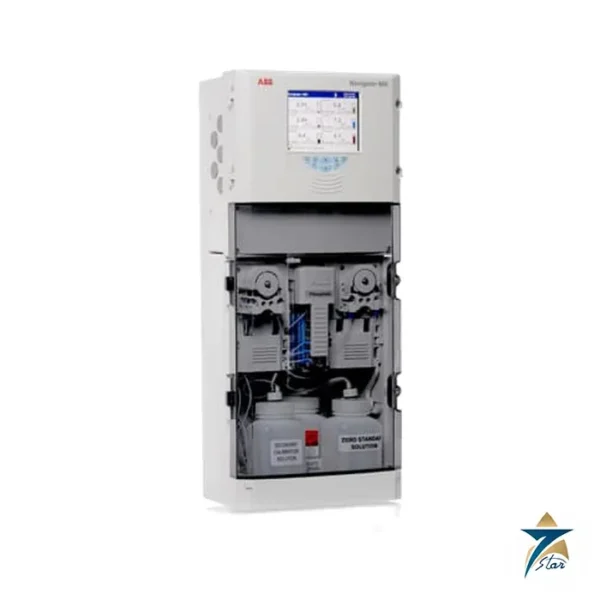
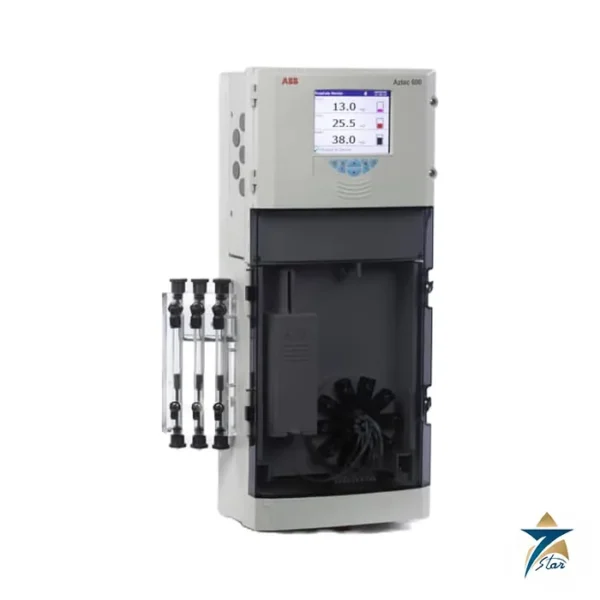
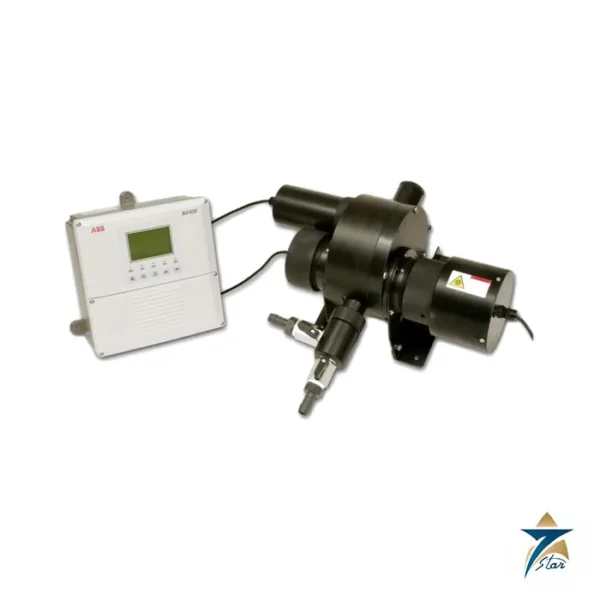
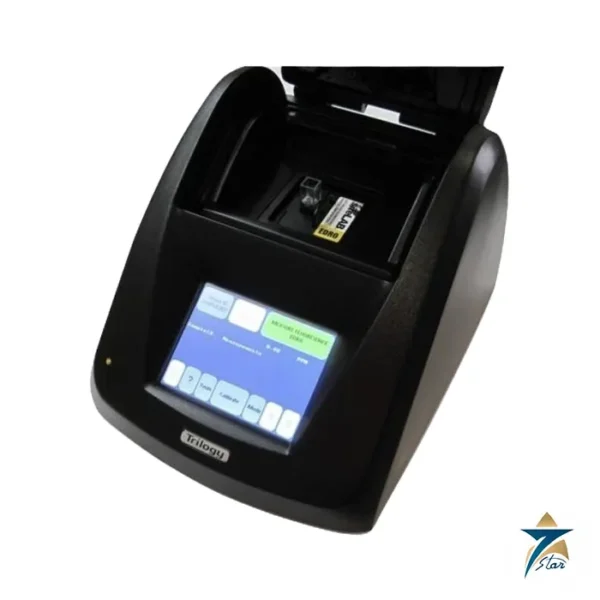
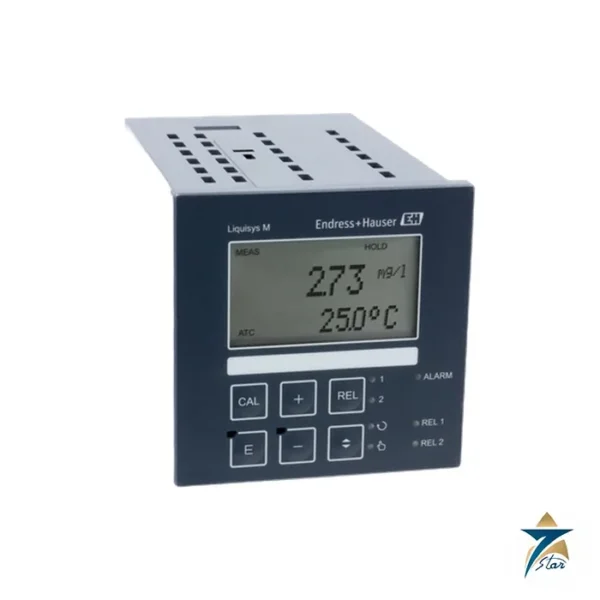
When a single sensor isn’t enough, Seven Star LLC supplies complete packaged liquid analytical systems that integrate sensors, sample handling, transmitters, and control panels for turnkey deployment across facilities in Oman and the GCC. Our Liquid Analytical Systems range is built around ABB’s multiparameter liquid analysis panels and Liquiline transmitters, Hach BioTector online TOC analyzers, Sitelab UVF-Trilogy oil-in-water and fingerprinting analyzers, Metrohm process analyzers, and additional systems from Galvanic, Forbes Marshall, Yokogawa, and Endress+Hauser.

Rather than a single measurement point, these packaged systems combine multiple sensors, automatic sample conditioning, and a central transmitter or panel into one traceable, repeatable analytical solution, ideal for continuous water quality monitoring, produced-water compliance testing, and total organic carbon monitoring in wastewater treatment. The Hach BioTector, for example, is widely used across the region to verify wastewater meets discharge limits before release.

Seven Star LLC supports water treatment, environmental, and process engineers across Oman in specifying and integrating the right analytical system for their compliance and process-control needs, with full technical support from selection through commissioning.
Frequently Asked Questions

What components make up a complete industrial liquid analytical system?
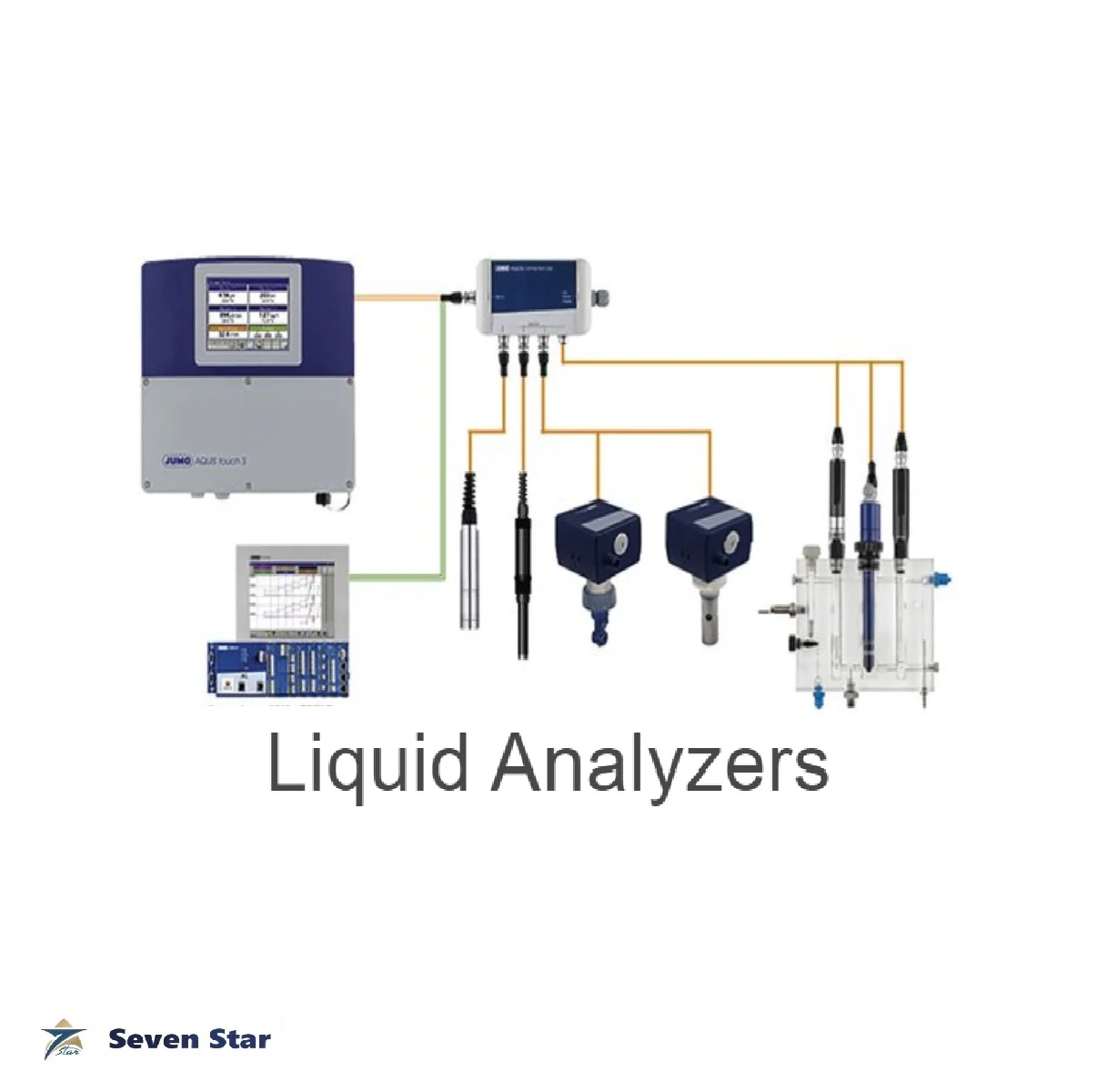
A complete analytical system typically consists of specific measuring sensors (pH, conductivity, etc.), a protective mounting assembly or flow chamber, specialized signal cables, and a sophisticated transmitter or analyzer that processes the signal and outputs it to the control network.
How do multi-channel transmitters benefit large-scale process monitoring?
Multi-channel transmitters can accept inputs from several different sensors simultaneously, such as combining pH, conductivity, and temperature measurements into a single electronic unit. This consolidation significantly reduces hardware costs, simplifies wiring infrastructure, and minimizes the panel space required in control cabinets.
What digital communication protocols are utilized in analytical systems?
Advanced analytical systems communicate with PLCs and DCS via robust digital protocols including HART, PROFIBUS DP/PA, Modbus RTU, and increasingly, Industrial Ethernet standards like PROFINET or EtherNet/IP. These protocols transmit multiple process variables alongside critical sensor health diagnostics.
How do automated calibration systems enhance process reliability?
Automated calibration systems integrate with retractable sensor assemblies to periodically extract the sensor, flush it with cleaning fluid, and introduce standard buffer solutions to adjust the calibration. This ensures consistent, highly accurate measurements in aggressive processes without requiring manual intervention from maintenance personnel.
What considerations are vital when designing a liquid analytical system for hazardous areas?
Systems deployed in explosive atmospheres must be certified as intrinsically safe or housed in explosion-proof enclosures in accordance with ATEX, IECEx, or local standards. Proper barrier devices and stringent adherence to installation guidelines are critical to prevent the ignition of volatile process vapors.