Solenoid Valve

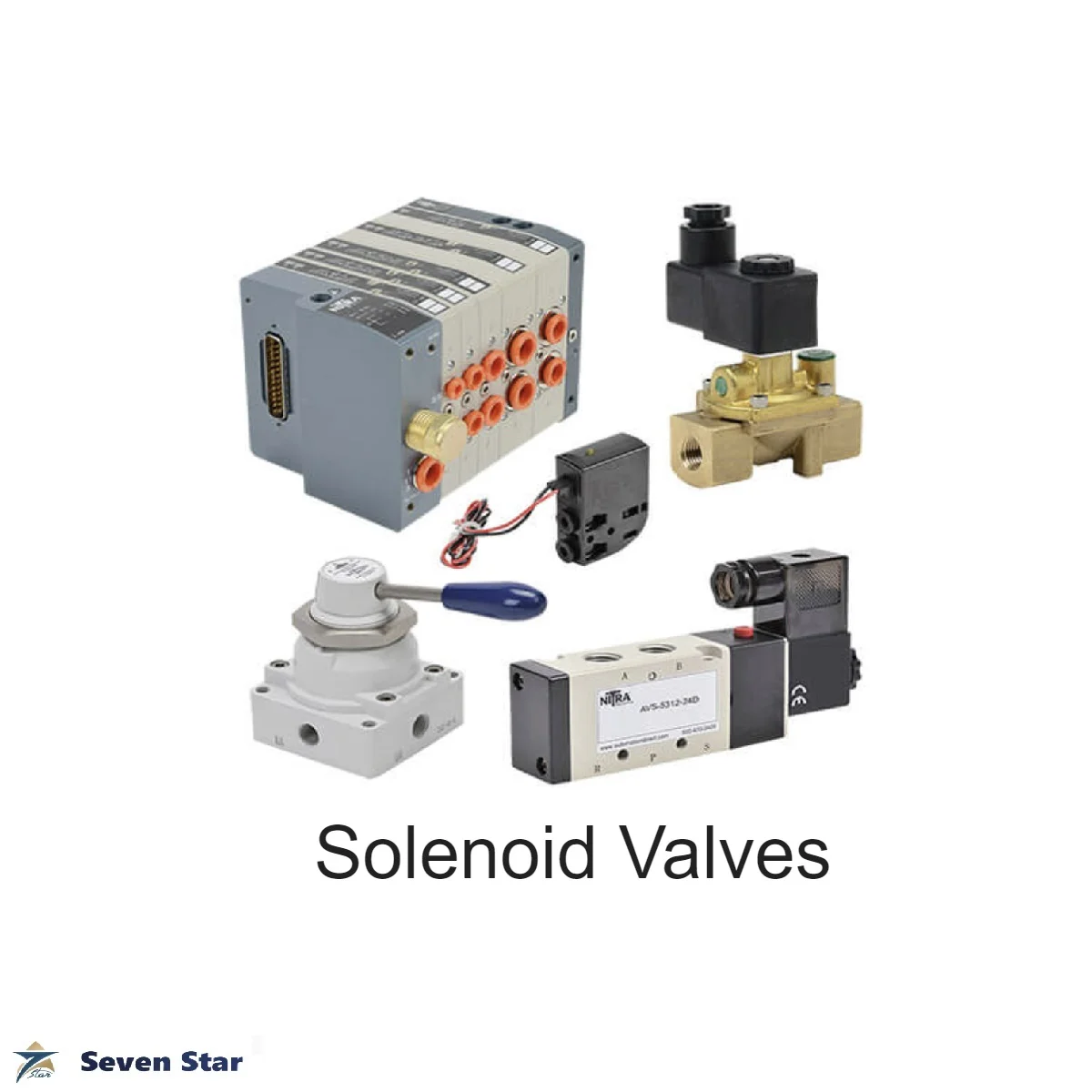
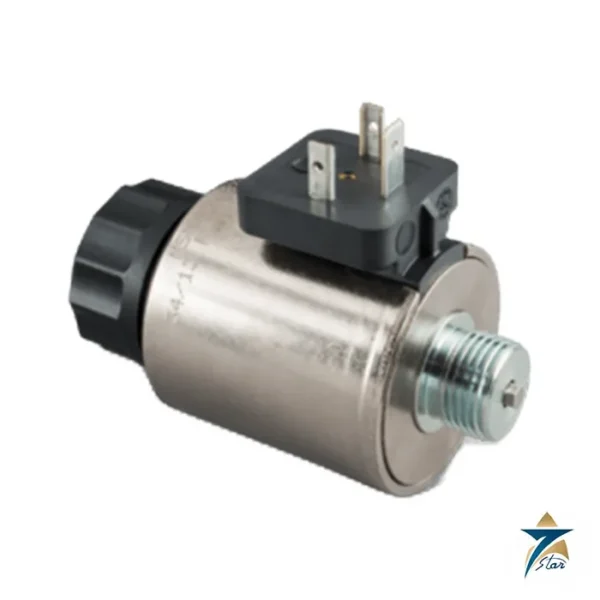
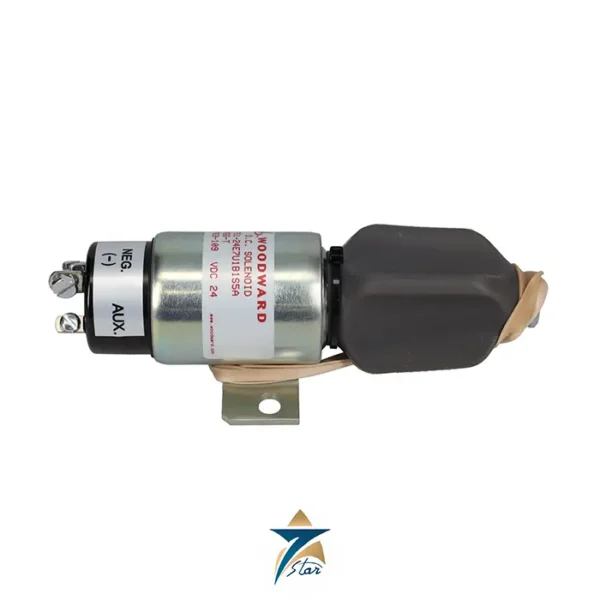
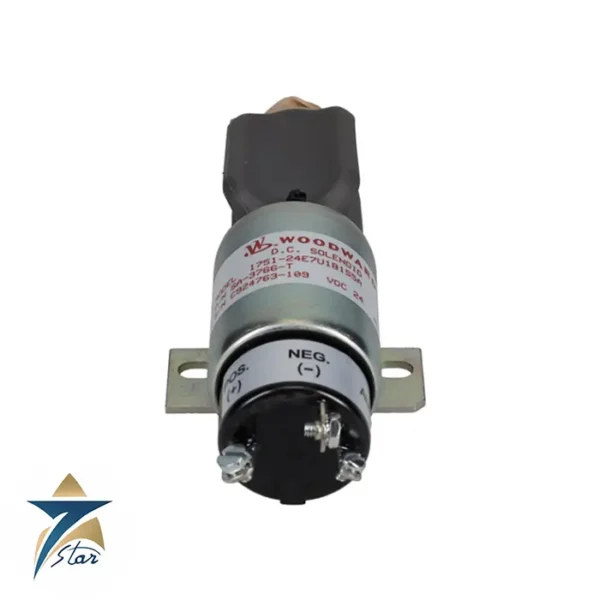
Electrically actuated solenoid valves for fast, reliable on/off control of fluids and gases. Available in multiple body materials, pressure classes, and coil options, they integrate easily with PLC outputs and safety interlocks for precise, automated flow control.

Frequently Asked Questions

What are the functional distinctions between direct-acting and pilot-operated solenoid valves in fluid control systems?
Direct-acting solenoid valves utilize the magnetic force of the coil to physically lift the sealing armature independent of line pressure, making them suitable for low-flow or zero-differential-pressure applications. Pilot-operated valves rely on the system's internal fluid pressure to actuate the main diaphragm or piston, allowing a compact, low-power solenoid coil to control significantly larger flow rates and higher pressures.
How does fluid specific gravity and viscosity impact the sizing and selection of industrial solenoid valves?
High-viscosity fluids dramatically increase internal friction and pressure drop across the valve orifice, necessitating the specification of larger flow coefficients (Cv) to achieve the required volumetric flow rate. Additionally, robust direct-acting valve designs are often required for viscous media, as thick fluids can clog the narrow bleed ports essential for the operation of pilot-operated configurations.
What engineering practices prevent the premature failure of solenoid valve coils in high-temperature environments?
To ensure coil longevity, engineers must specify Class H or higher insulation ratings capable of withstanding extreme ambient and fluid temperatures without degrading the internal copper windings. It is also critical to ensure the applied voltage perfectly matches the coil's rating and to avoid excessive cycling rates that can lead to destructive thermal accumulation within the electromagnet assembly.
In hazardous area applications, what protection methods are utilized to ensure the safe operation of solenoid valves?
Solenoid valves deployed in potentially explosive atmospheres are typically specified with intrinsically safe (Ex i) coils that restrict the electrical energy below ignition thresholds, or flameproof (Ex d) enclosures designed to contain internal explosions. The selection of the specific protection method depends on the required power level for actuation, the zone classification, and the presence of specific explosive gas groups.
How do engineers mitigate the destructive effects of water hammer when rapidly actuating large solenoid valves?
Rapid closure of a solenoid valve on an incompressible fluid generates severe hydraulic shockwaves, or water hammer, capable of rupturing pipes and damaging sensitive instrumentation. Mitigation strategies include installing slow-closing or adjustable-response solenoid valves, implementing surge arrestors or accumulators in the piping network, and strictly limiting the fluid's linear velocity during the initial system design phase.