- Vibration Monitoring
- Industrial Communications
- PLC & I/O Cards
- Automation Accessories
- Controllers & Data Acquisition
- AC Drives
- Industrial Computers
- Encoders
- Isolator & Barrier
- Safety Switches & Guard Locking
- Automation Software
- HMI Displays
- Motor Soft Starters
- Servo Drives
- CCTV & Security
- Robotics
- Pneumatic Cylinders
- Machine Vision


Category guide
About Cables & Delay Lines
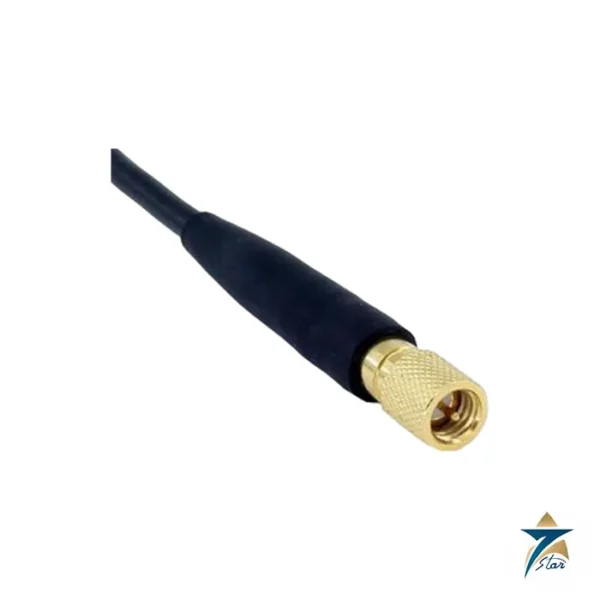
This category is for the two parts of an ultrasonic probe assembly that wear out first: probe cables and delay lines. NDT cables carry the pulse between instrument and transducer. An ultrasonic delay line is the standoff fitted in front of a single element crystal to improve measurement on thin material. The listing includes Dakota transducer cables for ultrasonic thickness gauges and Dakota delay line tips for single element transducers. Seven Star LLC in Oman can source other cables and delay line tips on request against the instrument and probe part numbers.
NDT cables and connectors
Probe cables are coaxial and are defined by the connector at each end, for example bayonet BNC, push-pull or miniature threaded types. Dual element probes need a dual cable or two singles. Cables fail from repeated flexing near the connector, which shows up as intermittent or noisy signals. Length matters as well, since a longer cable changes the electrical load on the transducer.
Ultrasonic delay line tips
A delay line separates the transmit pulse from the echoes returning from the part, which is what allows a precision gauge to measure thin sections. Tips are consumable. They come in different diameters and lengths, and heat-resistant materials are available for hot surfaces. The tip must suit the specific delay line probe.
What to send
Give the instrument and transducer models, both connector types, cable length, and for tips the transducer part number and surface temperature. Buyers elsewhere in the GCC can send the same details.
What to include in your inquiry
These details let us quote the right item the first time.
- Material and thickness range
- Application (corrosion survey, weld inspection, bolt tension)
- Instrument model, when ordering probes or accessories
- Transducer frequency and type
- Standards the inspection must follow
Missing some of them? Send what you have. A nameplate photo or an old part number is enough to start.