Pressure Instrumentation

Pressure Instrumentation

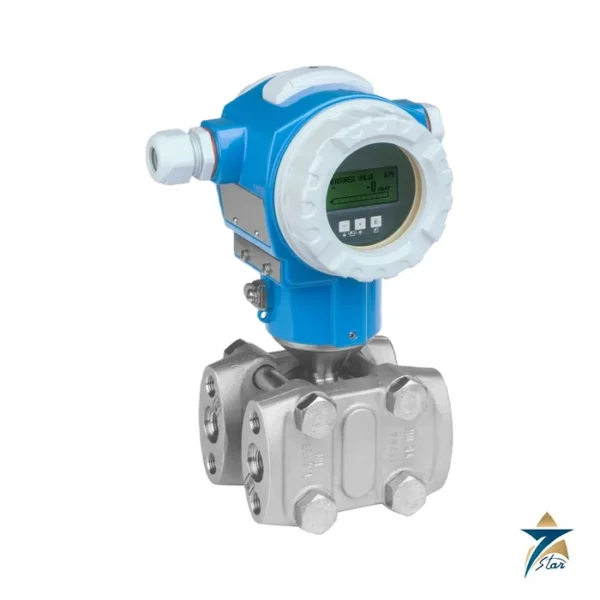
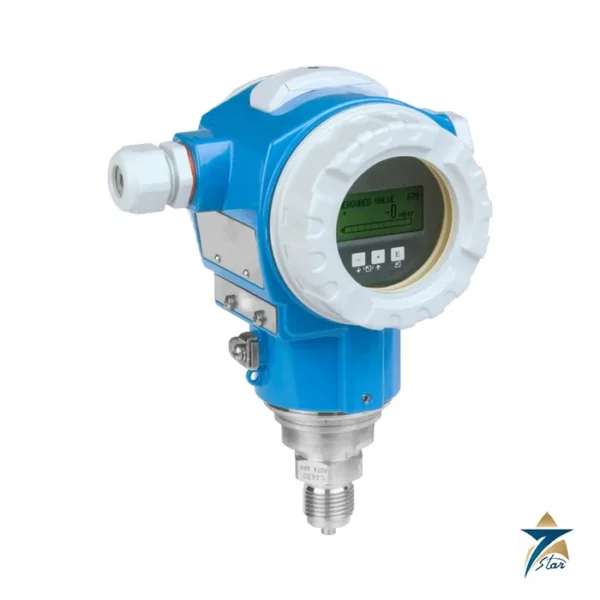
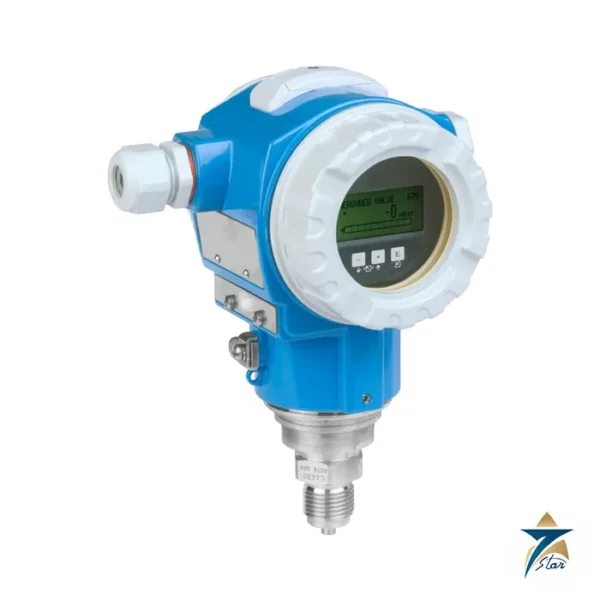
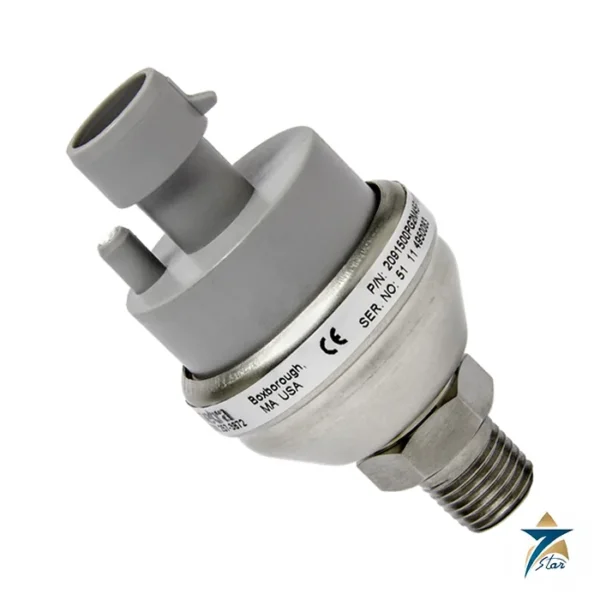
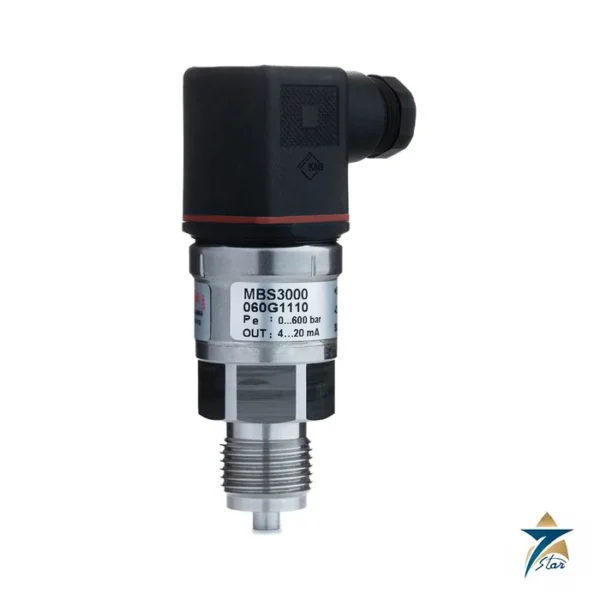
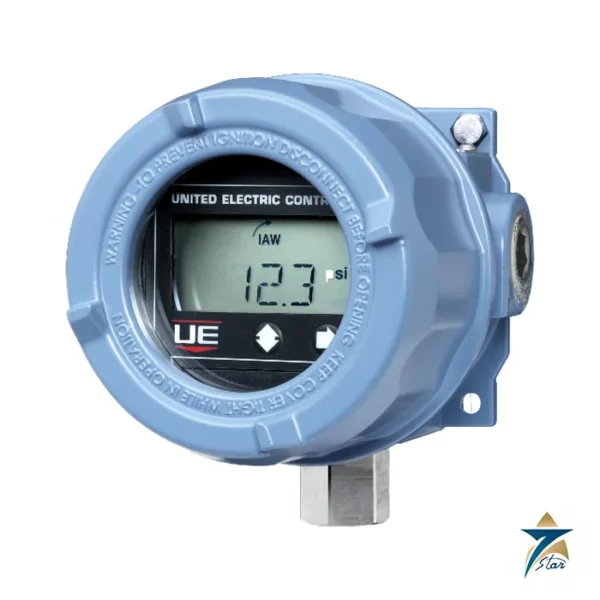
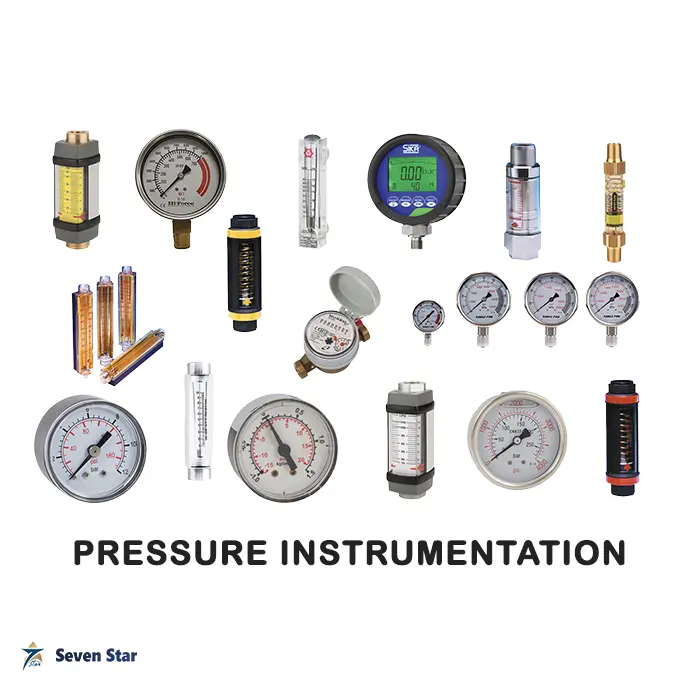
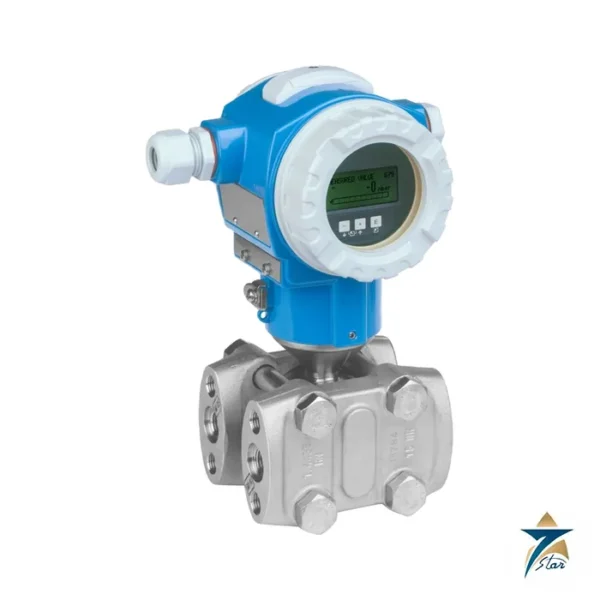
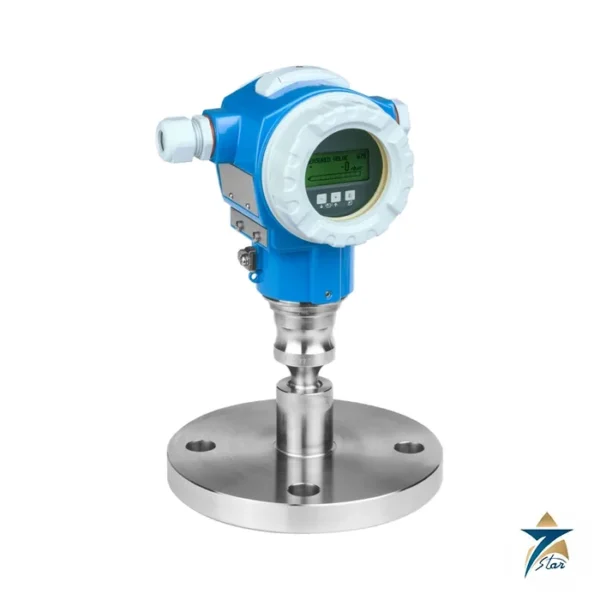
Pressure measurement underpins safe and efficient operation of pumps, pipelines, vessels, and process lines, and Seven Star LLC supplies a full range of pressure instrumentation to industrial customers across Oman and the GCC. Our range includes Endress+Hauser Cerabar and Deltabar pressure and differential pressure transmitters, WIKA process gauges and transducers, JUMO and ABB pressure transmitters, United Electric pressure switches, and additional sensors and transducers from Baker Hughes, VEGA, and Emerson.

Differential pressure transmitters like the Deltabar series are widely used for flow and level measurement by inference, while absolute and gauge pressure transmitters such as the Cerabar range monitor process pressure directly in tanks, pipelines, and reactors. Analog and digital pressure gauges provide local, at-a-glance readings for operators, and pressure switches trigger alarms or shutdowns when a process moves outside safe limits.

Seven Star LLC’s technical team helps engineers across Oman’s oil, gas, and industrial sectors select the correct pressure range, process connection, and diaphragm material for their application, and supplies genuine instrumentation with full calibration documentation.
Frequently Asked Questions

What is the difference between absolute, gauge, and differential pressure transmitters?
Absolute pressure transmitters measure pressure relative to a perfect vacuum, while gauge pressure transmitters measure relative to the ambient atmospheric pressure. Differential pressure (DP) transmitters measure the exact difference in pressure between two distinct points, widely used for flow, level, and filter monitoring applications.
How do piezoresistive pressure sensors function in industrial applications?
Piezoresistive sensors utilize a silicon diaphragm embedded with strain gauges that change electrical resistance when mechanically deformed by applied process pressure. This localized change in resistance is converted via a Wheatstone bridge circuit into a precise, high-resolution electrical output proportional to the pressure.
Why are remote seal systems utilized with pressure transmitters?
Remote seals utilize a flexible diaphragm and capillary tubing filled with a transmission fluid to isolate the sensitive pressure transmitter from harsh process media. This setup is essential when dealing with extremely high temperatures, highly corrosive fluids, or viscous liquids that could clog impulse lines.
What is the purpose of a block and bleed manifold in pressure instrumentation?
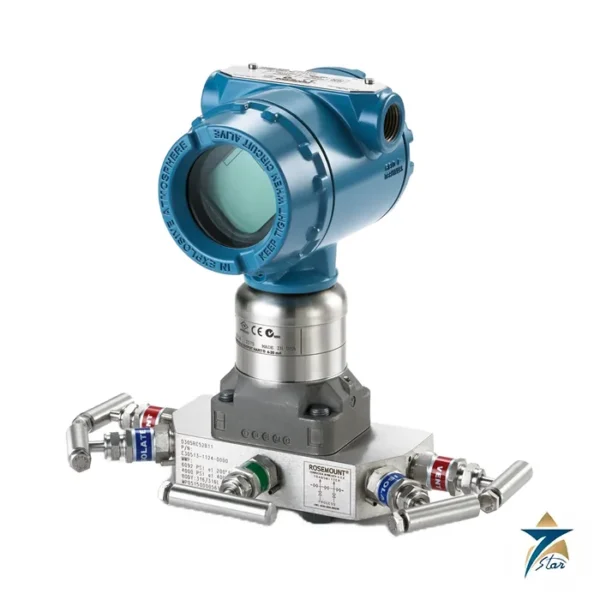
A block and bleed manifold safely isolates the pressure transmitter from the live process fluid while providing a controlled vent path to depressurize the instrument safely. This is a critical safety requirement for conducting routine maintenance, zeroing the instrument, or completely removing the device without shutting down the pipeline.
How does turndown ratio impact pressure transmitter selection?
The turndown ratio defines the operational span over which a transmitter can be adjusted while still maintaining its specified accuracy. A high turndown ratio allows a single transmitter model to cover a wide range of pressures, standardizing inventory and accommodating future process modifications.