Seven Star L.L.C

Level Transmitter

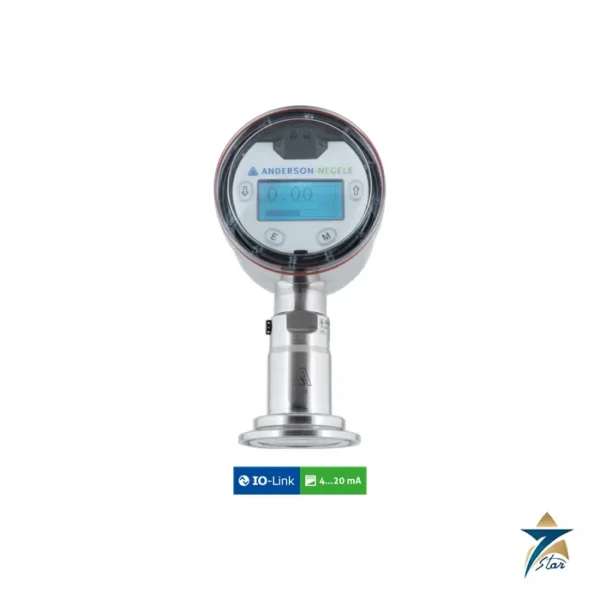
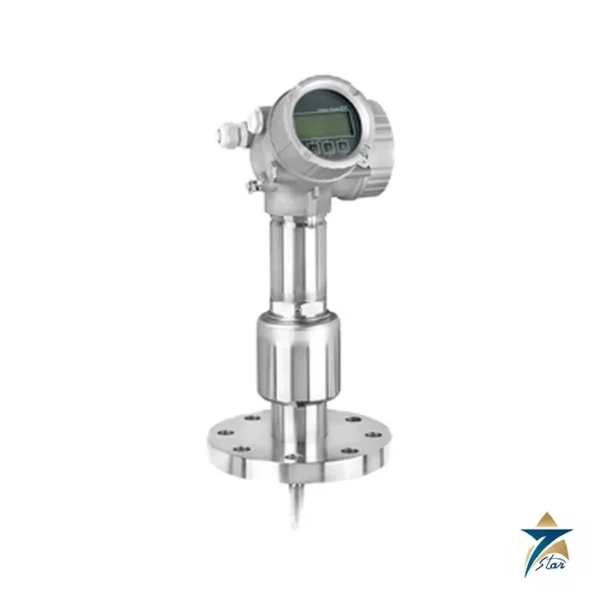
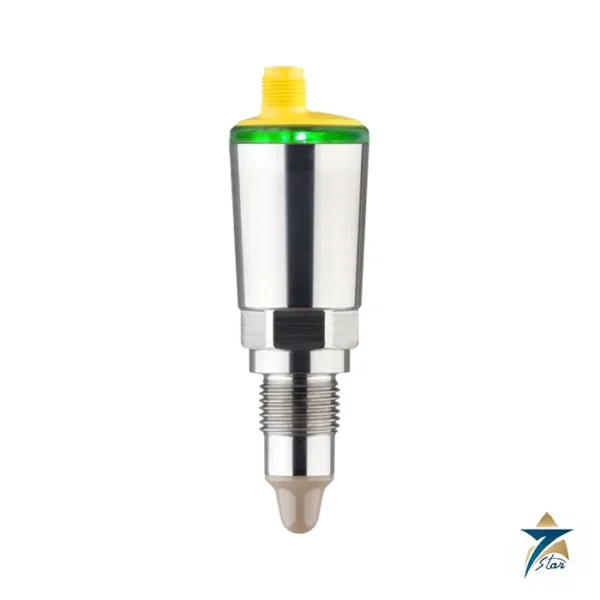
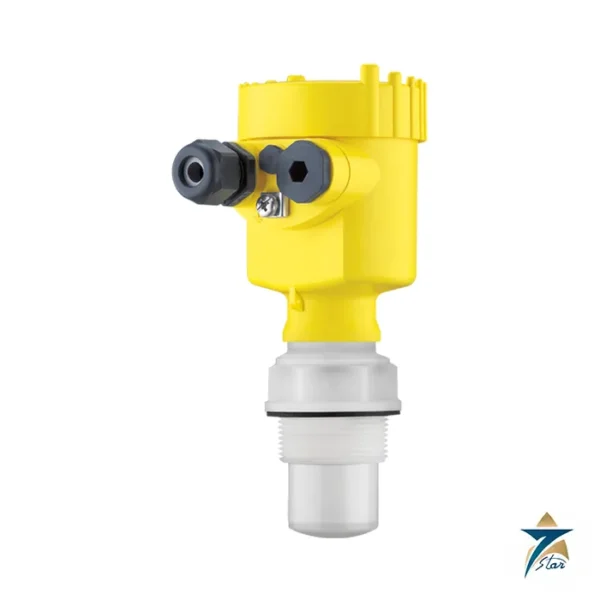
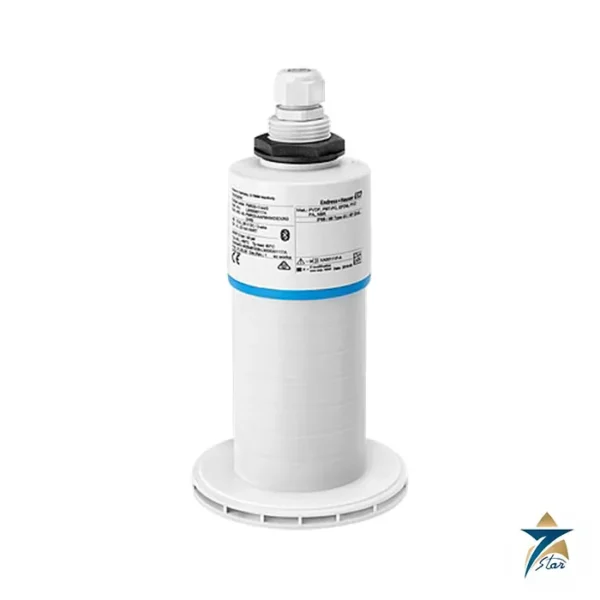
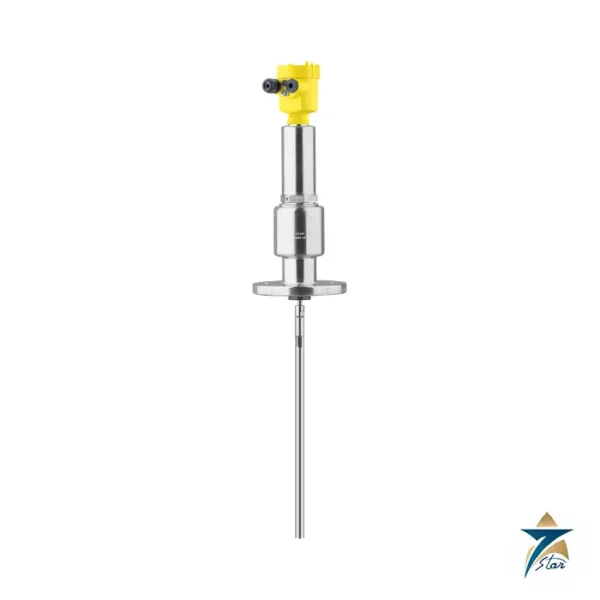
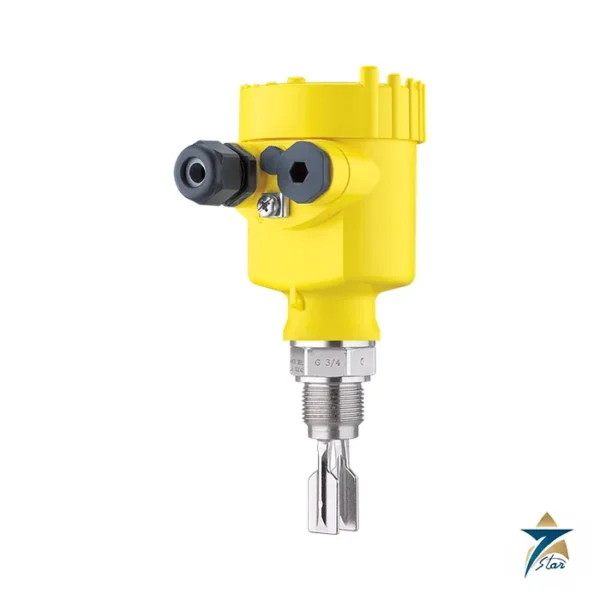
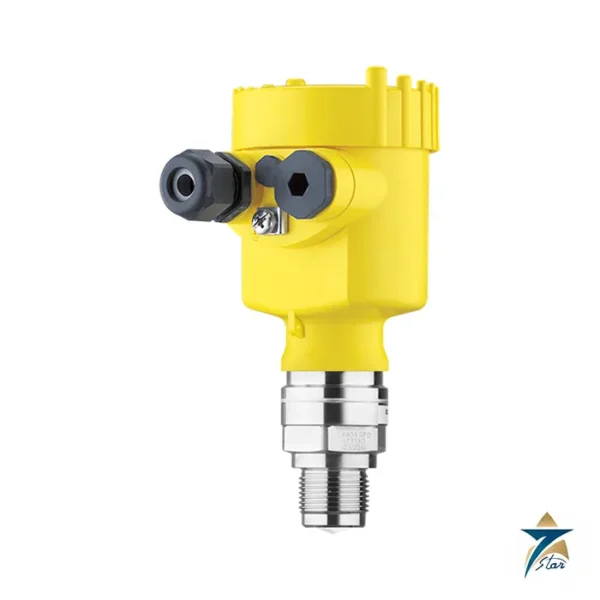
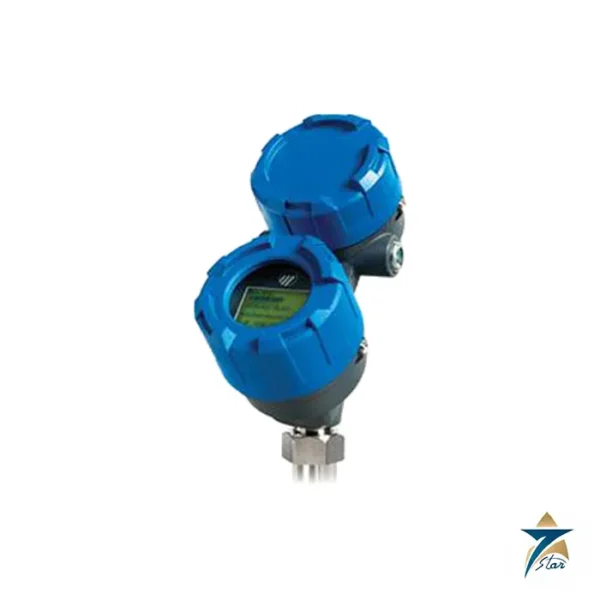
Keeping tank, silo, and vessel levels within safe limits is essential to both process efficiency and environmental safety, and Seven Star LLC supplies a comprehensive range of level transmitters to industrial customers across Oman and the GCC. Our Level Transmitter range includes VEGA VEGAPULS and VEGAPOINT radar and capacitive level instruments, Endress+Hauser Levelflex guided-wave radar and Micropilot non-contact radar transmitters, ABB level transmitters and switches, and additional level instrumentation from Emerson, Magnetrol, Anderson-Negele, and KROHNE.

Guided-wave and non-contact radar technologies now dominate modern level measurement because they are unaffected by changes in density, dielectric constant, or vapor space conditions that once made older methods unreliable, while capacitive point switches provide simple, robust high/low alarm points for silos and bulk-solid vessels. These instruments protect against tank overfill, dry-running pumps, and inventory-management errors across oil and gas storage, water treatment, and process manufacturing.

Seven Star LLC’s engineers help customers across Oman select the right level technology, process connection, and output signal for their tank, vessel, or silo application, backed by genuine manufacturer hardware and calibration support.
Frequently Asked Questions

What are the main technologies used in continuous level transmitters?
Continuous level measurement predominantly relies on radar (both guided wave and non-contact), ultrasonic, hydrostatic pressure, and capacitive technologies. The choice of technology depends on the vessel's internal structures, media characteristics, and operating conditions such as temperature and pressure.
How does Guided Wave Radar (GWR) differ from non-contact radar level transmitters?
GWR uses a physical probe to guide high-frequency microwave pulses directly to the media surface, providing highly reliable measurements unaffected by foam, vapors, or surface turbulence. Non-contact radar transmits microwaves through the air space, making it ideal for corrosive, highly viscous, or sanitary applications where direct contact must be avoided.
In what applications are hydrostatic level transmitters most effective?
Hydrostatic level transmitters measure the pressure exerted by the liquid column to determine its level, making them highly effective in vented tanks, deep wells, and open channels. They are particularly favored for clean liquids and applications where top-mounting radar or ultrasonic devices are impractical.
Can level transmitters measure the interface between two different liquids?
Yes, specialized technologies like Guided Wave Radar and capacitive transmitters can accurately measure the interface between two immiscible liquids with different dielectric constants, such as oil and water. This capability is essential in separation processes within the oil & gas and chemical industries.
What challenges do heavy vapors or dust present to ultrasonic level transmitters?
Heavy vapors, dust, and significant temperature gradients can alter the speed of sound or scatter the acoustic signal, leading to inaccurate readings or loss of echo in ultrasonic transmitters. In such volatile environments, engineers typically specify radar transmitters, which are immune to variations in the vapor space.