gas analyzer Systems

Gas Analyzer Systems

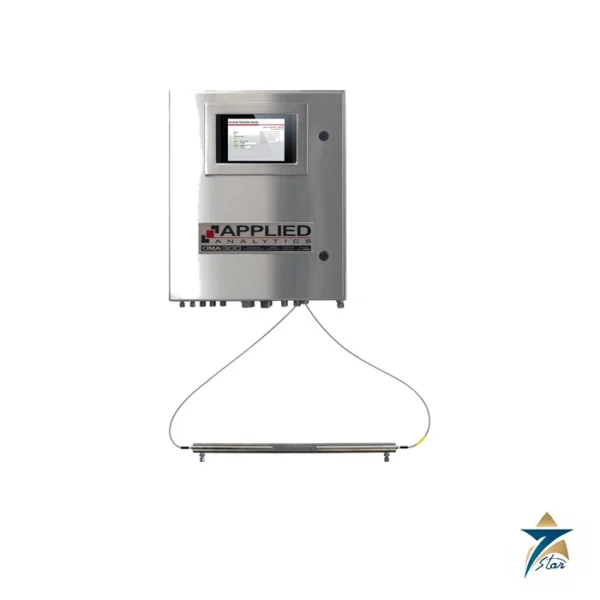
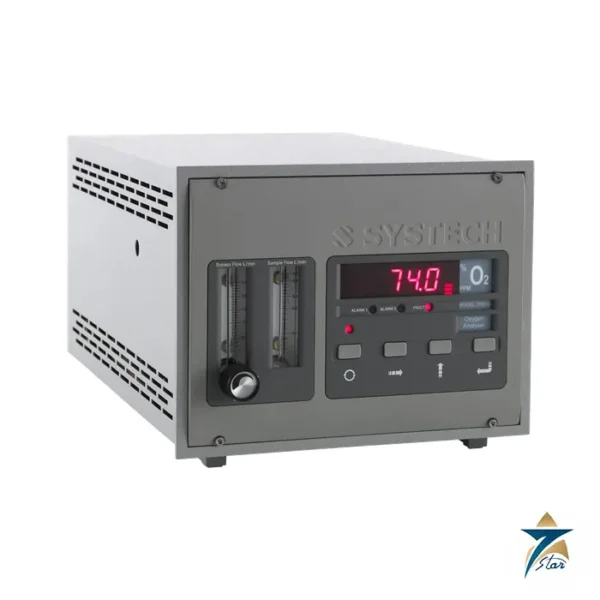
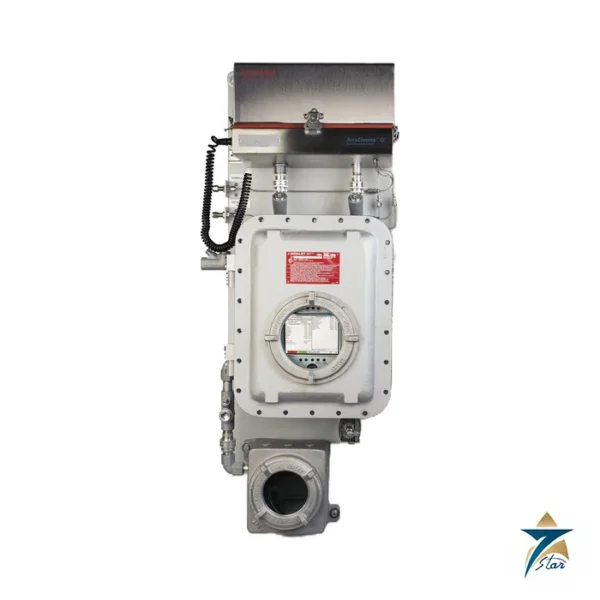
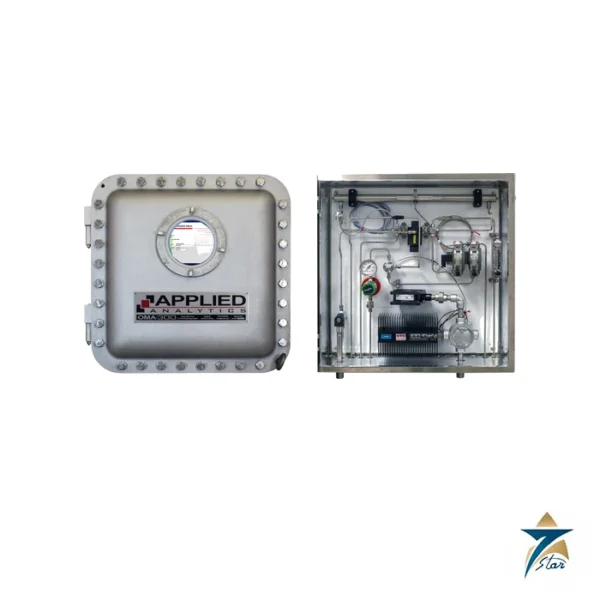
Seven Star LLC supplies complete gas analyzer systems to industrial and environmental customers across Oman and the GCC, covering continuous emissions monitoring, process gas composition analysis, and safety-critical gas measurement. Our Gas Analyzer Systems range includes Galvanic electrochemical and paramagnetic oxygen analyzers, Systech zirconia oxygen analyzers, Applied Analytics multi-stream process analyzers, and additional analyzer systems from ABB, Servomex, Southland Sensing, MICHELL Instruments, AMETEK, and BARTEC.

These systems combine sensing technology with the sample extraction, conditioning, and control components needed to deliver reliable, repeatable gas concentration data from process streams, exhaust stacks, and ambient monitoring points. They are widely deployed across oil and gas processing, refineries, petrochemical plants, power generation, cement production, and steel manufacturing, wherever accurate gas composition data drives process optimization, safety interlocks, or regulatory emissions reporting.

Seven Star LLC works with process and environmental engineers throughout Oman to specify the correct analyzer technology, measurement range, and sample-handling configuration, supplying genuine hardware and ongoing technical support to keep these systems accurate and compliant.
Frequently Asked Questions

What is the primary function of an industrial gas analyzer system?
An industrial gas analyzer system continuously monitors and quantifies the concentration of specific gases within a process stream or ambient environment. They are critical for ensuring process optimization, maintaining safety standards, and complying with stringent environmental emission regulations.
How do extractive gas analyzer systems differ from in-situ systems?
Extractive systems draw a sample from the process line, condition it to remove moisture or particulates, and transport it to a remote analyzer cabinet. In-situ systems mount the measurement sensor directly into the process pipe or stack, providing rapid real-time analysis without the need for complex sample conditioning.
What technologies are commonly used for Continuous Emission Monitoring Systems (CEMS)?
CEMS frequently utilize Non-Dispersive Infrared (NDIR), Chemiluminescence, and Tunable Diode Laser Absorption Spectroscopy (TDLAS) to accurately measure gases like NOx, SO2, and CO. These advanced optical technologies provide high sensitivity, rapid response times, and exceptional long-term stability.
Why is sample conditioning crucial for extractive gas analyzers?
Sample conditioning protects the sensitive analytical instrumentation by removing corrosive components, excessive moisture, and abrasive particulates from the raw process gas. Proper conditioning ensures accurate, repeatable measurements and significantly extends the operational lifespan of the analyzer.
How are gas analyzer systems calibrated in industrial environments?
Calibration typically involves introducing certified reference gas mixtures of known concentrations to establish the analyzer's zero and span points. Modern systems often feature automated calibration routines that periodically validate and adjust the sensor to compensate for long-term drift.