Seven Star L.L.C

Flow Computers

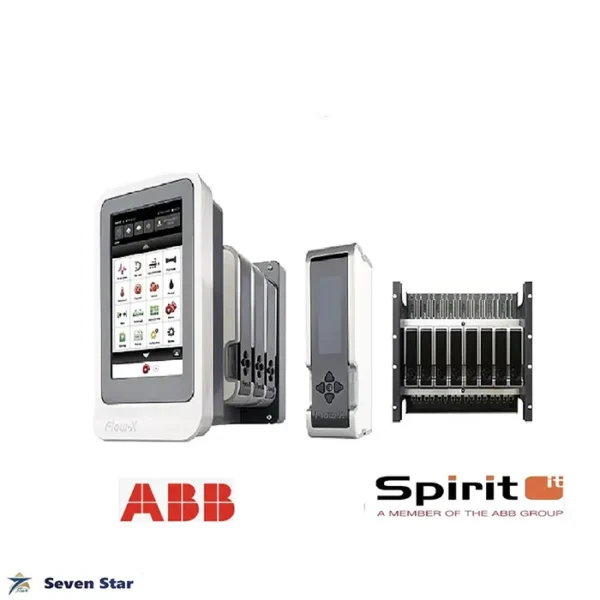
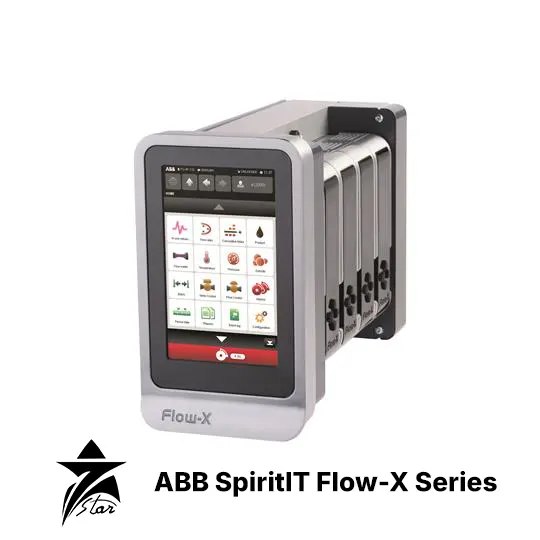
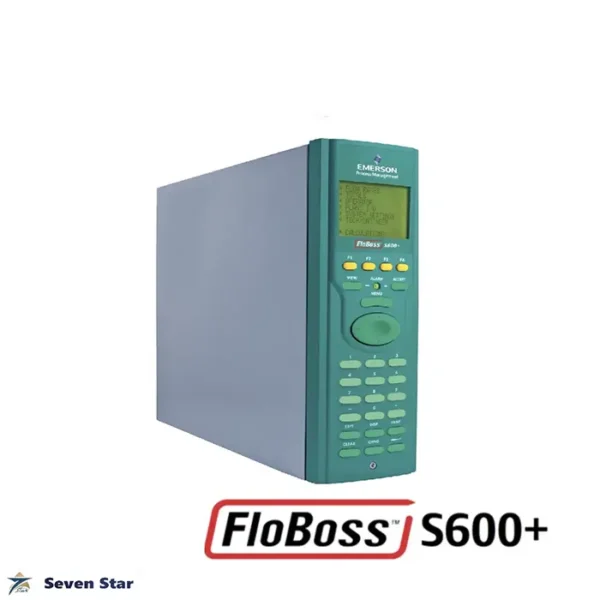
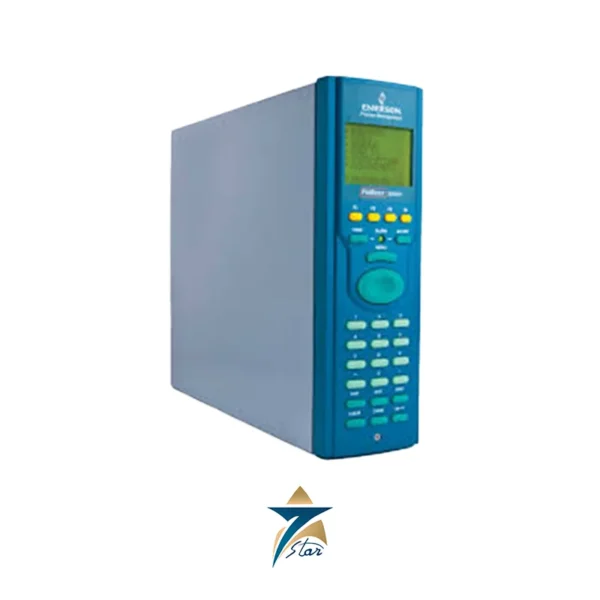
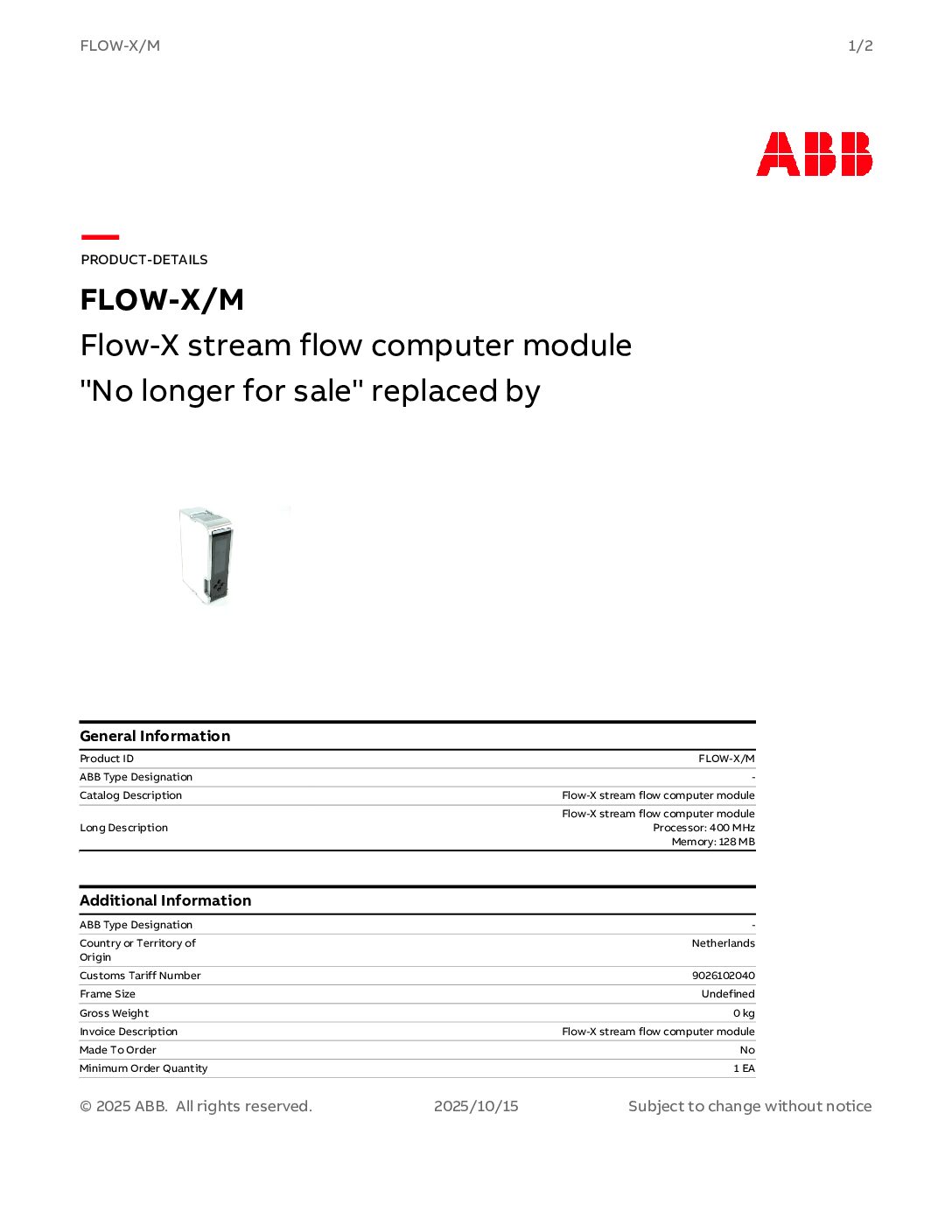
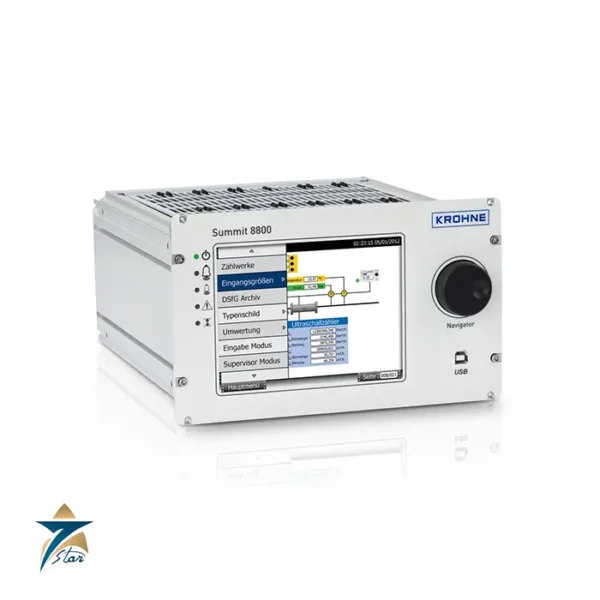
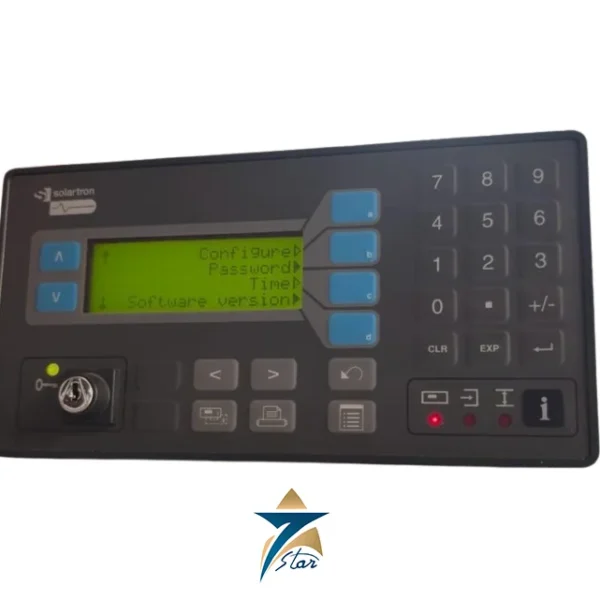
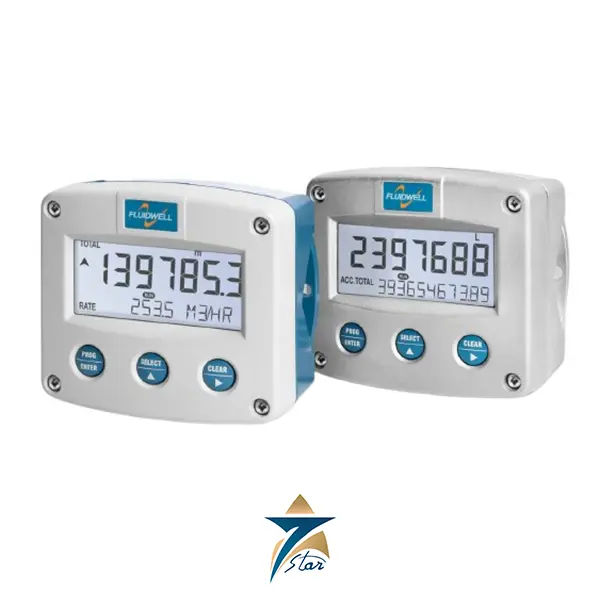
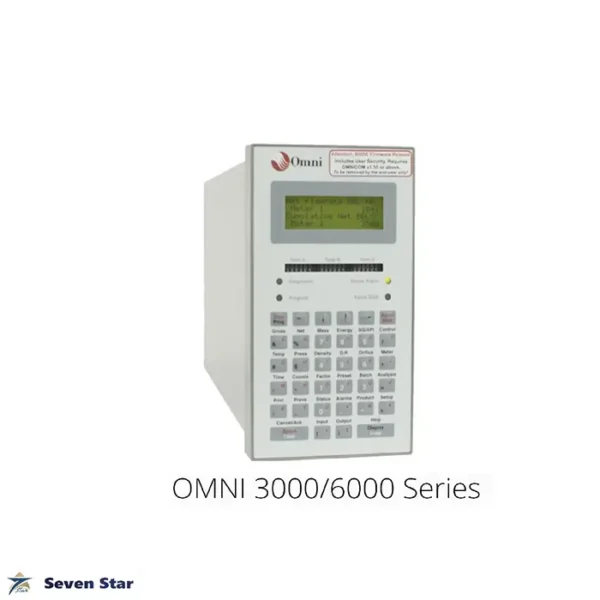
A flow computer takes raw signals from a flowmeter, thermometer, and pressure transmitter and turns them into the corrected, custody-transfer-grade flow totals that oil and gas operators rely on, and Seven Star LLC supplies this equipment across Oman and the GCC. Our Flow Computers range includes OMNI 6000 and 7000 flow computers, Cameron NuFlo MC-III local flow analyzers/totalizers, ABB and Elster flow computers, Emerson flow computing hardware, and Fluidwell ratio monitors and totalizers.

These instruments apply live pressure, temperature, and density compensation to a flowmeter’s raw pulse or analog signal, producing accurate volumetric or mass totals for gas and liquid custody transfer, allocation metering, and process accounting. The OMNI series, well represented in our range, is widely deployed across the region’s gas metering stations for exactly this purpose, while compact totalizers like the Fluidwell F114 serve simpler ratio-monitoring duties on smaller skids.

Seven Star LLC’s engineers support metering and instrumentation teams across Oman in specifying the correct flow computer model, input configuration, and communication protocol for their custody-transfer or process-accounting application.

Frequently Asked Questions

Why are specialized flow computers necessary instead of standard PLCs for custody transfer applications?
Flow computers are engineered with highly accurate analog-to-digital converters and execute complex, industry-standard algorithms (like AGA or API) at rapid intervals. Unlike standard PLCs, they provide immutable audit trails and extreme precision critical for legal and financial custody transfer of hydrocarbons.
How do flow computers compensate for temperature and pressure variations in gas measurement?
These devices continuously ingest real-time data from dynamic temperature and pressure transmitters along the pipeline. They utilize this live telemetry to dynamically calculate the compressibility factor, converting measured volumetric flow into standardized mass or base volume flow rates.
What communication protocols are standard for integrating flow computers into a DCS?
Industrial flow computers predominantly utilize Modbus RTU/TCP, DNP3, or specialized telemetry protocols to ensure secure and deterministic data transmission. This standardization allows seamless integration with both local Human Machine Interfaces (HMIs) and remote SCADA networks.
How do flow computers ensure data integrity and security during power failures?
They are equipped with non-volatile memory and internal battery backups that preserve critical accumulation totals, configuration parameters, and alarm logs. This ensures that no measurement data is lost and the system can resume accurate calculation immediately upon power restoration.
What calibration procedures are required for flow computers in high-accuracy environments?
Calibration involves verifying the precision of the analog input channels using certified reference standards and validating the mathematical algorithms against established physical properties. Routine field proving of the primary meters is also essential to maintain overall system uncertainty within acceptable tolerances.