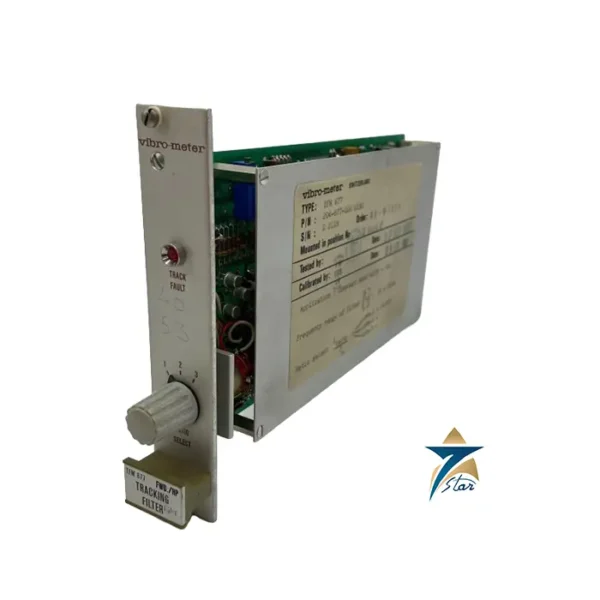
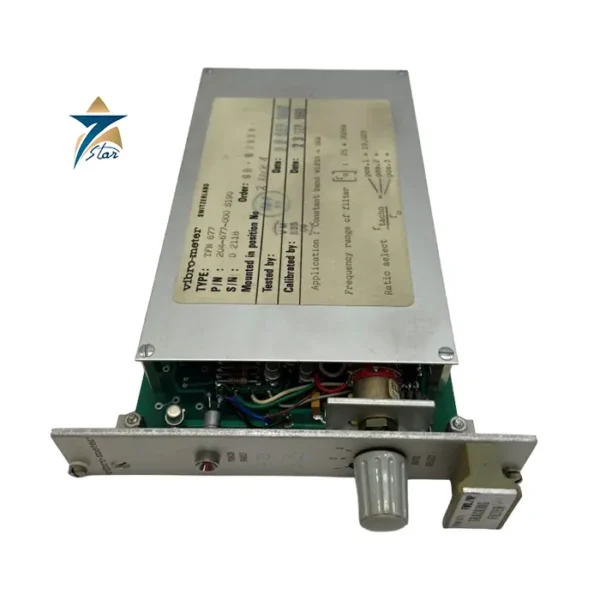
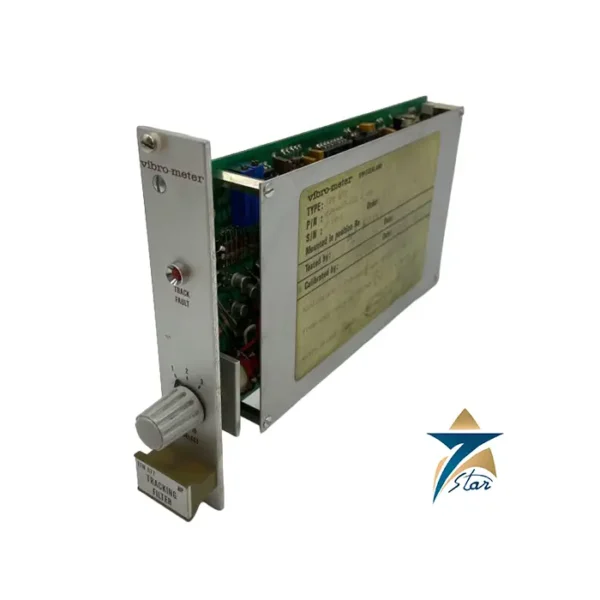
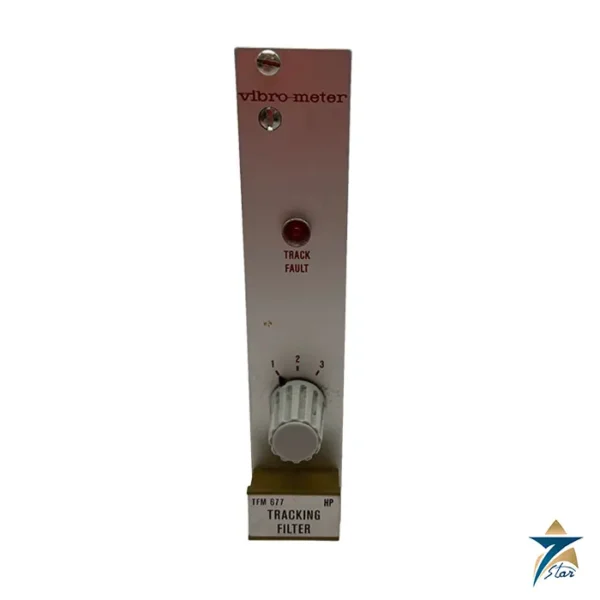
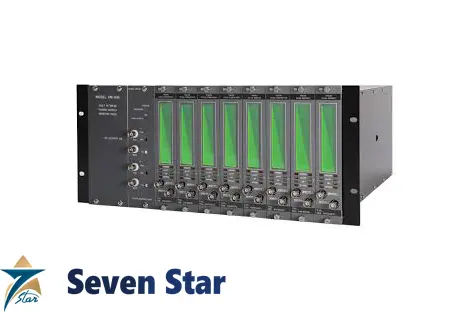
Vibration

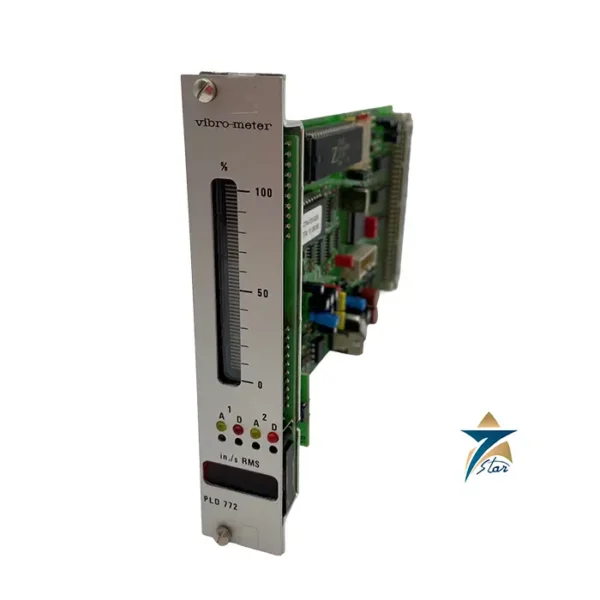
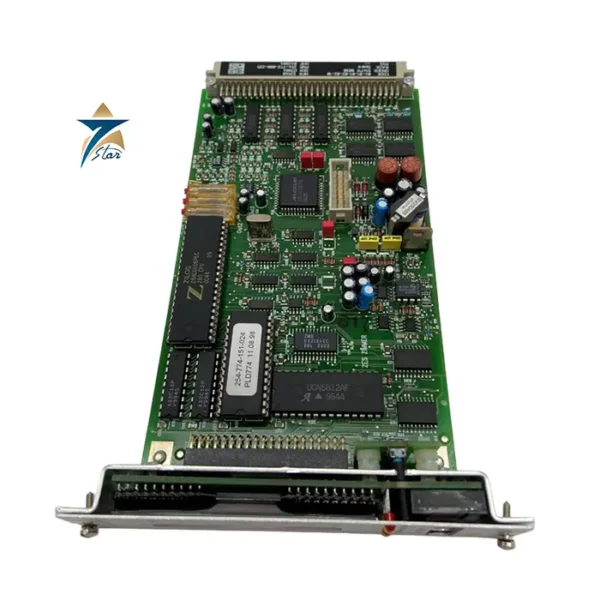
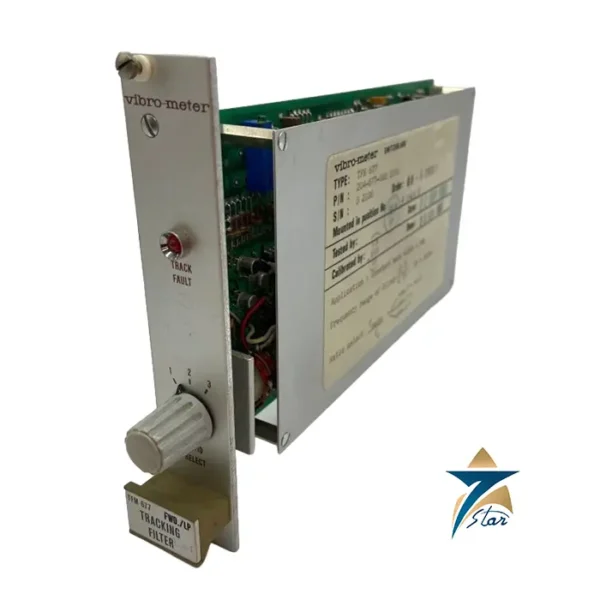
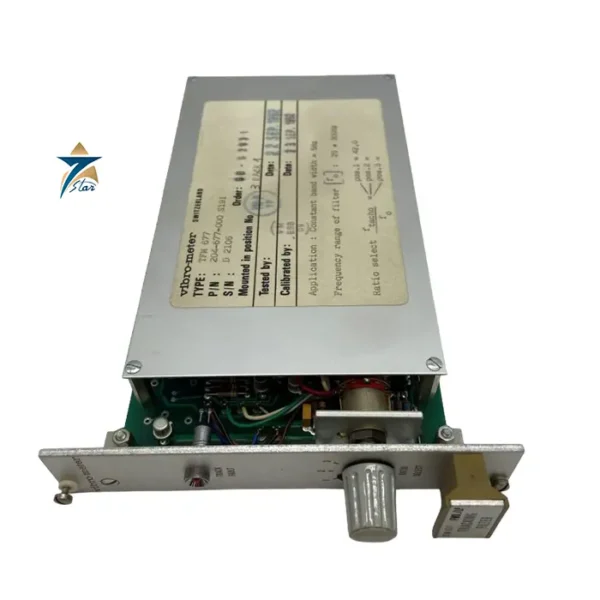
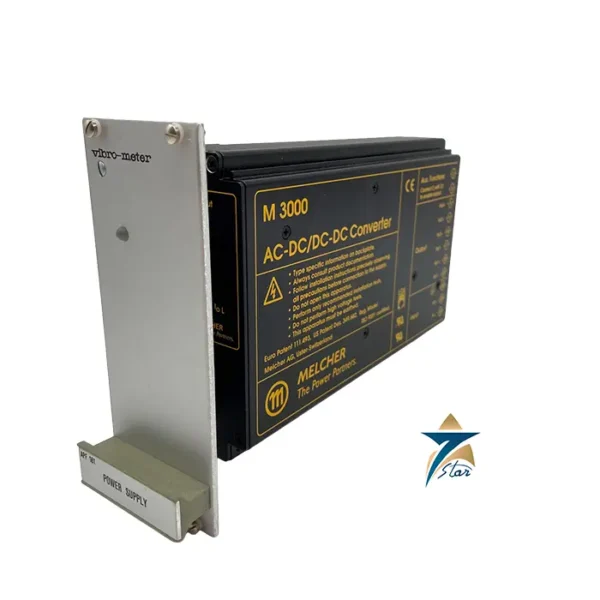
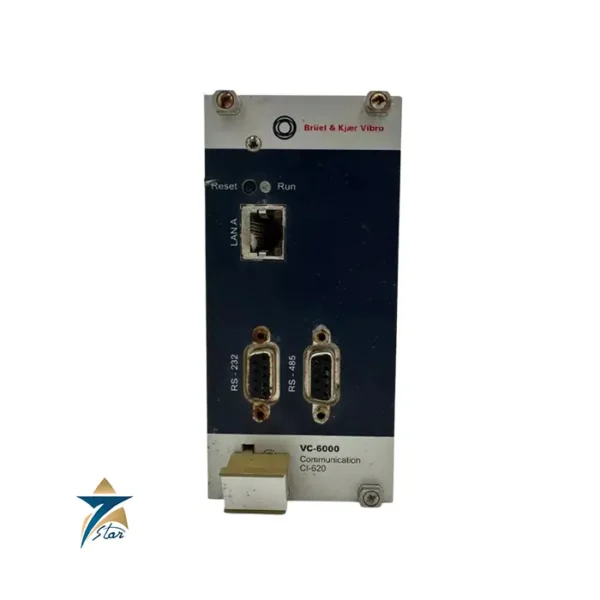
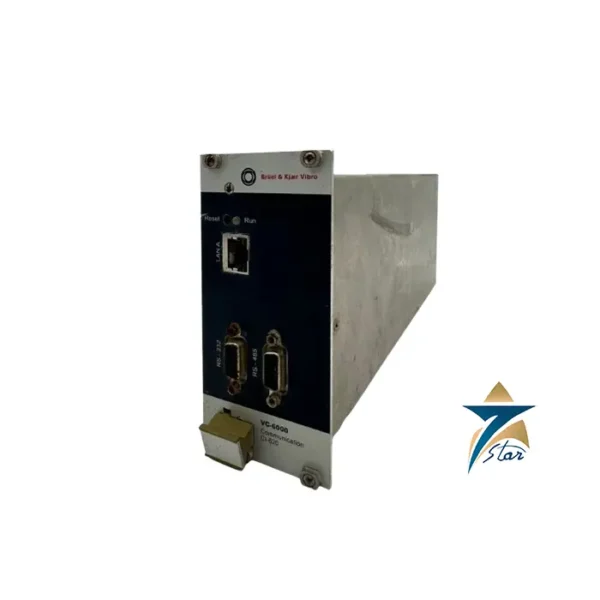
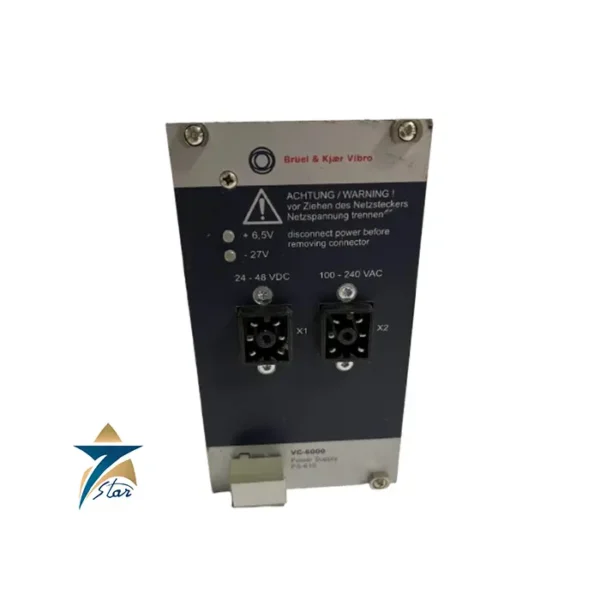
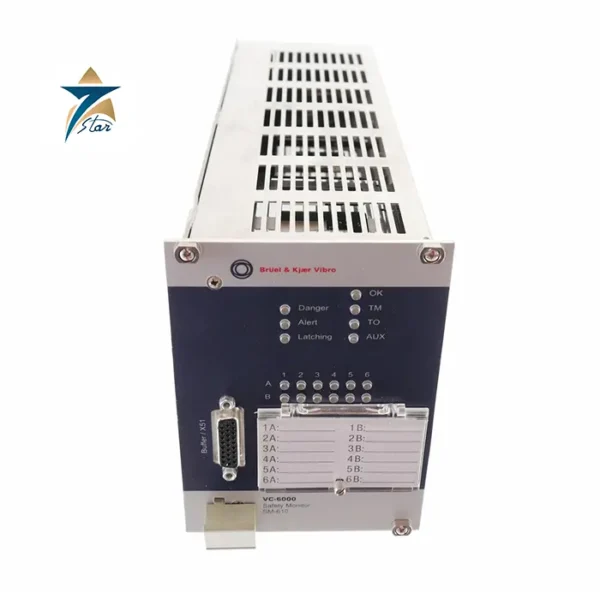
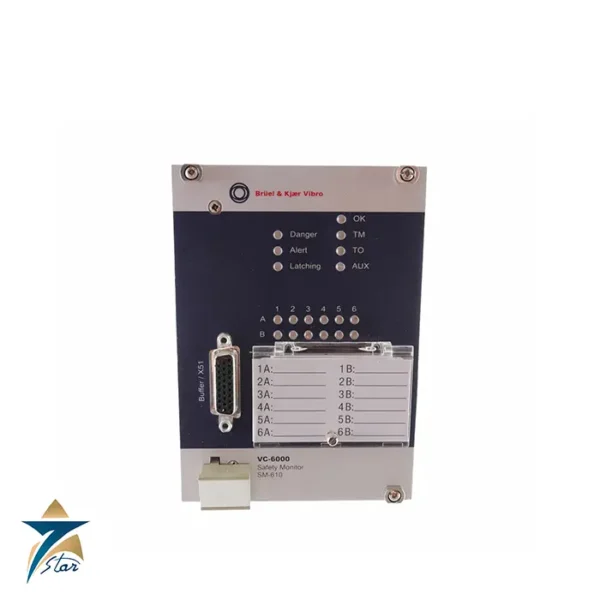
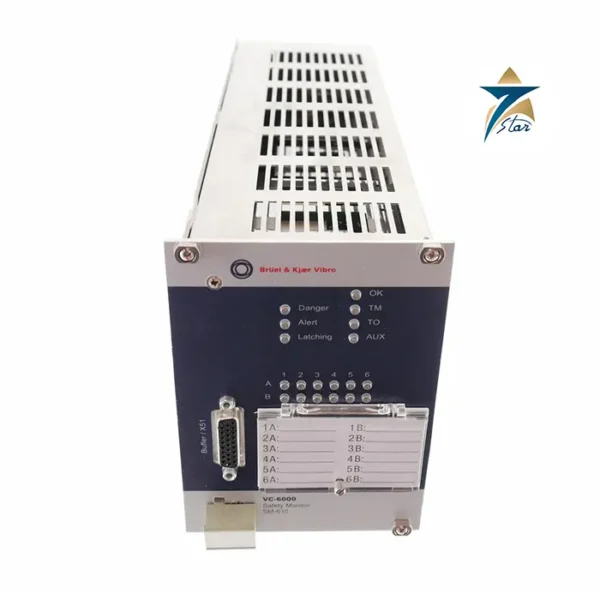
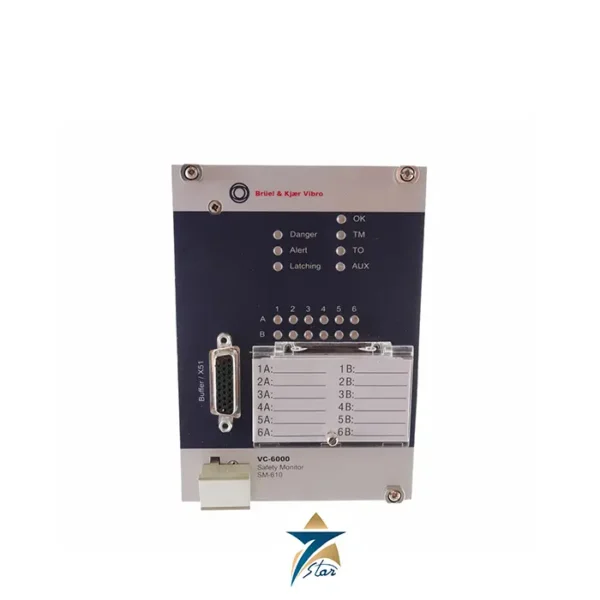
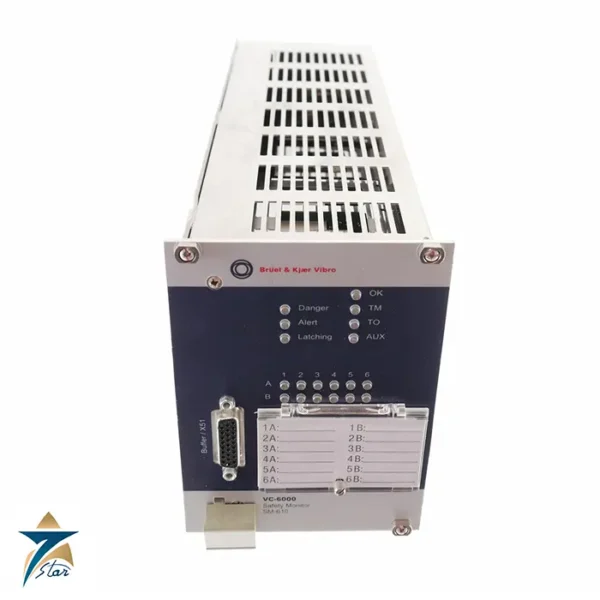
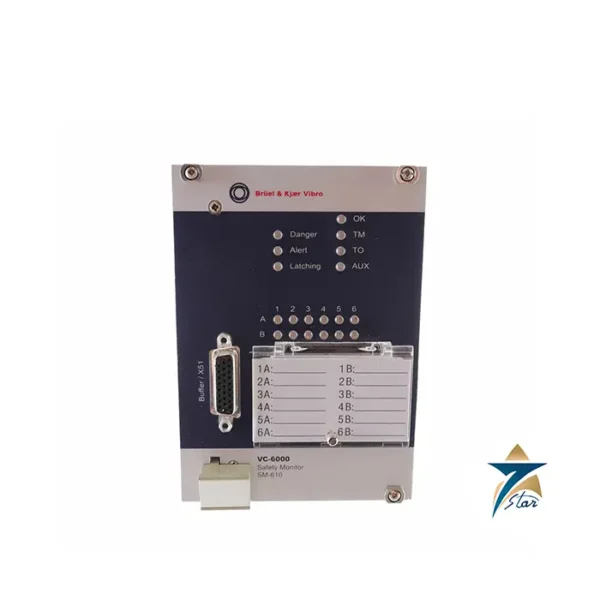
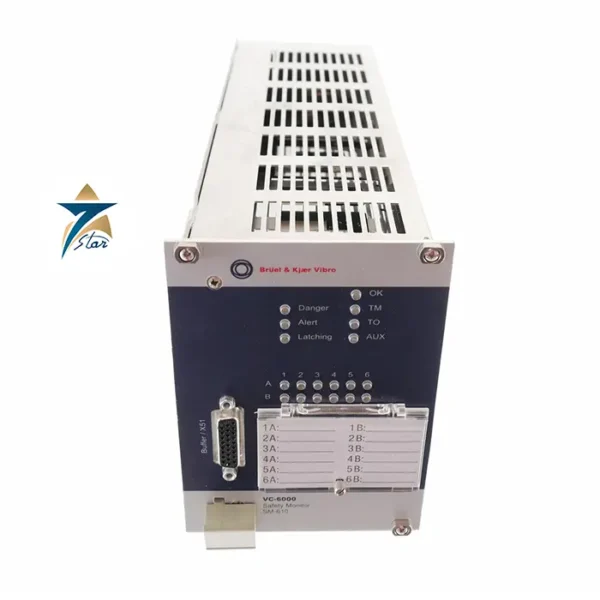
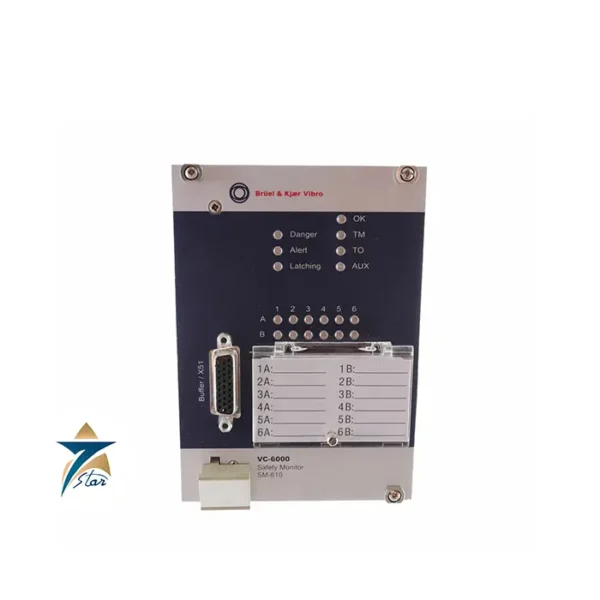
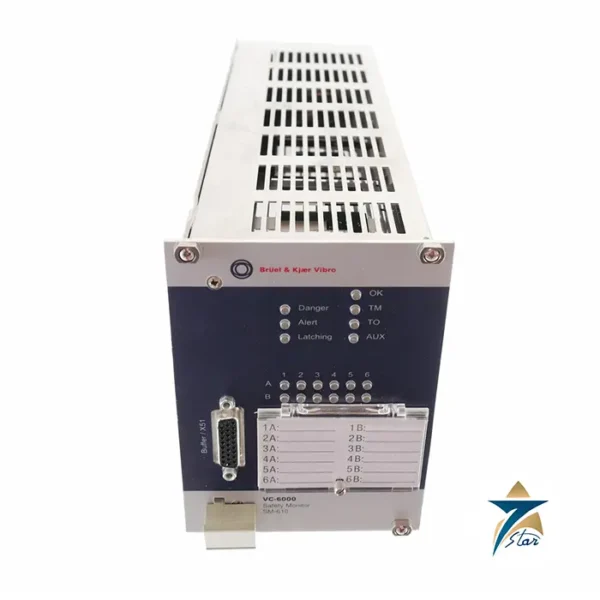
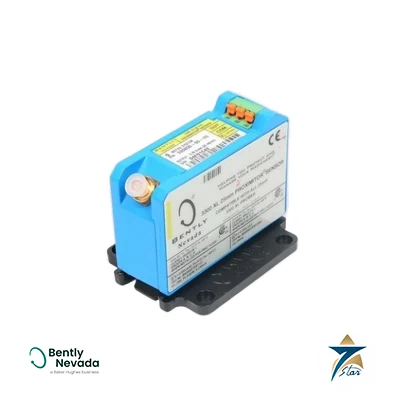
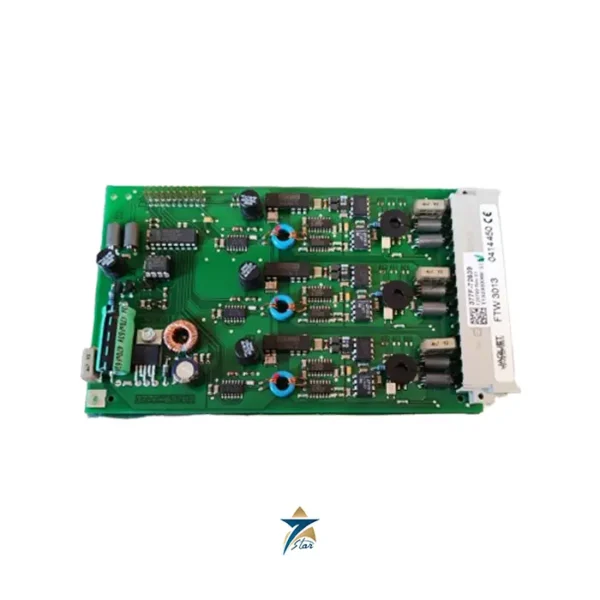
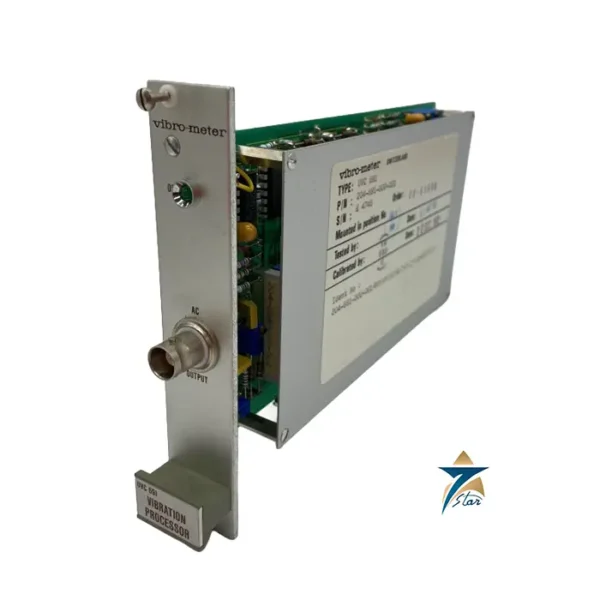
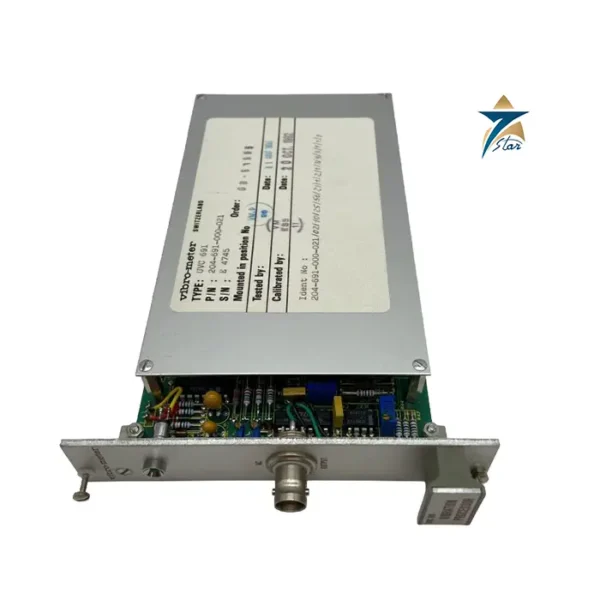
Industrial vibration monitoring solutions for rotating equipment such as pumps, motors, fans, compressors, and turbines. Our portfolio includes accelerometers, velocity sensors, transmitters, and condition-monitoring modules that enable early detection of imbalance, misalignment, bearing wear, and looseness. Designed for harsh environments, these systems integrate with PLC/SCADA for trending, alarms, and predictive maintenance—reducing unplanned downtime and extending asset life.
Frequently Asked Questions

How does continuous vibration monitoring predict catastrophic machinery failure?
By analyzing shifts in vibration amplitude and frequency spectra over time, engineers can identify specific mechanical faults, such as bearing wear, rotor unbalance, or shaft misalignment, long before they cause a functional breakdown. This predictive maintenance approach allows for planned repairs rather than emergency downtime.
What are the primary differences between velocity sensors and accelerometers?
Accelerometers are ideal for detecting high-frequency dynamic forces typical of gear mesh issues or early-stage bearing defects, due to their wide frequency response. Velocity sensors, often integrated with accelerometers, provide a more accurate representation of overall mechanical fatigue and energy dissipation at lower running speeds.

How do environmental conditions affect the installation of vibration sensors?
Sensors deployed in corrosive or high-temperature zones must feature hermetically sealed stainless steel housings and specialized high-temperature cabling. Additionally, rigid mounting techniques, such as stud mounting rather than magnetic bases, are crucial to ensure high-frequency resonance is accurately transmitted.
What role does Fast Fourier Transform (FFT) analysis play in vibration diagnostics?
FFT algorithms convert complex, time-domain vibration waveforms into a discrete frequency spectrum, isolating individual frequency peaks. This allows analysts to correlate specific harmonic frequencies directly to the physical geometry and rotational speed of individual machine components.
How are vibration monitoring systems integrated into plant protection strategies?
Critical machinery is often equipped with dedicated vibration protection racks that continuously monitor signals against predefined alarm and danger thresholds. If a severe mechanical anomaly is detected, these systems can autonomously trigger a hardwired trip relay to shut down the equipment instantly.