Rugged industrial computers, panel PCs and hazardous-area tablets

Industrial Computer

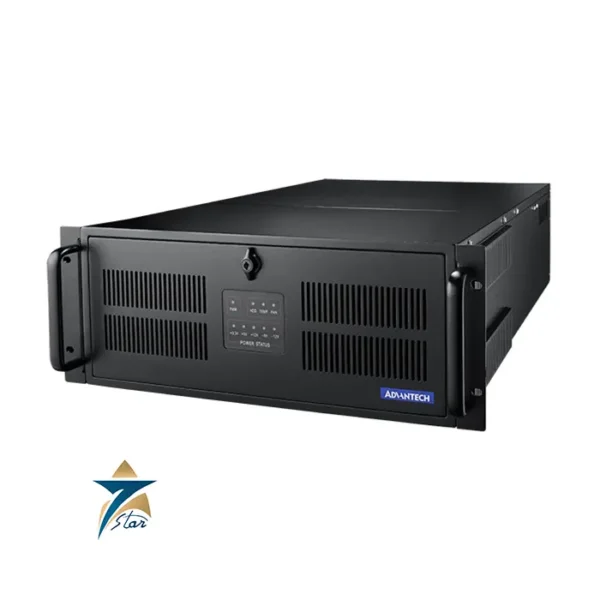
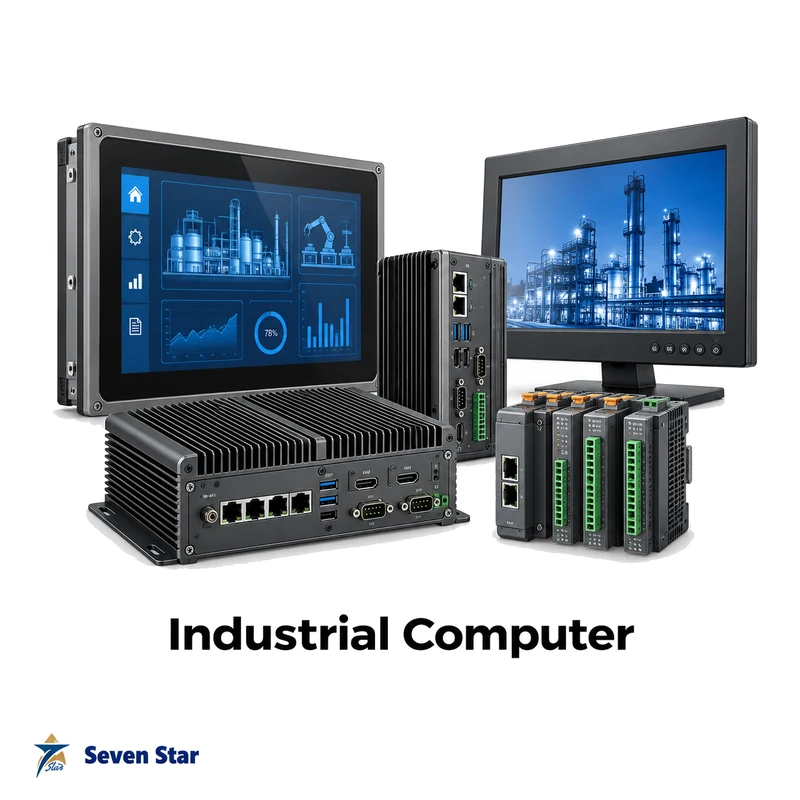
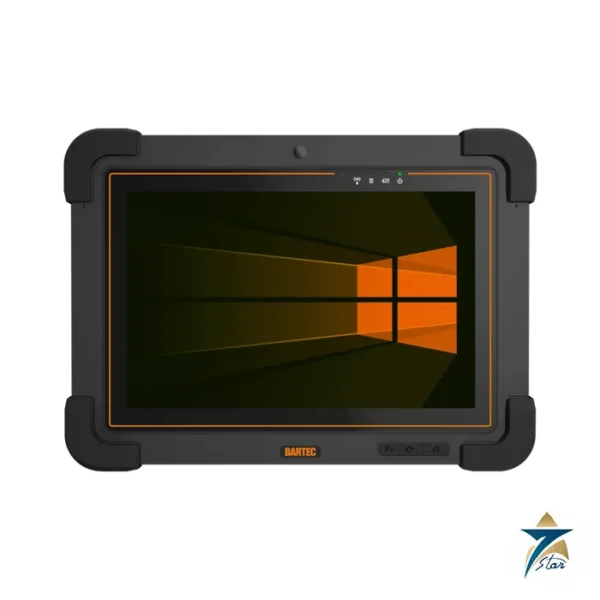
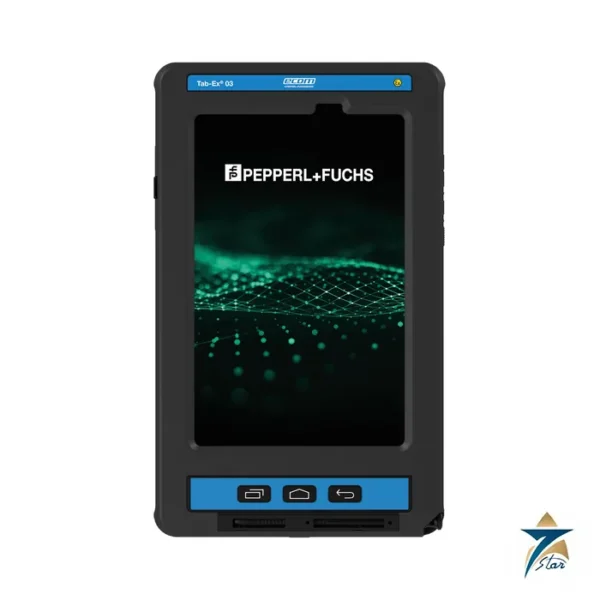
Standard office computers cannot survive the dust, vibration, and hazardous atmospheres found on a process plant floor, and Seven Star LLC supplies ruggedized and intrinsically safe industrial computers to customers across Oman and the GCC. Our Industrial Computer range includes Ecom Instruments and Bartec Zone 1 hazardous-area tablets and smartphones, Pepperl+Fuchs Smart-Ex intrinsically safe mobile devices, ADLINK single-board computers, and Advantech industrial rackmount chassis.

These products range from fully intrinsically safe tablets and phones certified for Zone 1/21 and Zone 2/22 hazardous areas, used by field technicians who need to check readings or log data directly inside a classified plant area, to fanless embedded computers and rackmount chassis used for HMI, SCADA, and edge-computing duties in a control room or equipment cabinet. Solid-state storage and extended operating temperature ranges keep these systems stable in demanding plant-floor conditions.

Seven Star LLC helps automation and HSE teams across Oman select the correct hazardous-area rating, form factor, and computing platform for their field or control-room application, supplying genuine, certified hardware.
Frequently Asked Questions

How do fanless industrial computers maintain thermal stability in high-temperature environments?
Fanless architectures utilize heavy-duty extruded aluminum chassis that act as massive passive heatsinks, drawing thermal energy away from critical components like the CPU. By eliminating mechanical fans, they also prevent the ingress of conductive dust and corrosive airborne contaminants.
What distinguishes an industrial PC (IPC) from a commercial-grade computer?
IPCs are engineered with extended-temperature-rated components, conformal-coated motherboards, and robust shock/vibration isolation for reliable continuous operation. They also guarantee long-term availability of identical hardware configurations, which is crucial for standardizing OEM equipment deployments.
Why are solid-state drives (SSDs) preferred in industrial computing applications?
Industrial SSDs lack moving mechanical parts, rendering them highly resilient to the severe vibrations and mechanical shocks typical on factory floors. Furthermore, industrial-grade flash memory offers superior read/write endurance and wider operating temperature ranges compared to commercial alternatives.
How do industrial computers interface with legacy manufacturing equipment?
IPCs often feature specialized expansion slots (like PCI or PCIe) and a wide array of legacy I/O ports, including multiple RS-232/422/485 serial interfaces. This versatility allows them to connect directly to older PLCs, CNC machines, and specialized proprietary hardware without complex adapters.
What role do industrial computers play in Edge computing architectures?
Positioned near the data source, Edge IPCs perform real-time data aggregation, local analytics, and machine learning inference to reduce latency. This localized processing minimizes the bandwidth required to transmit data to central cloud servers while ensuring continuous operation even during network outages.