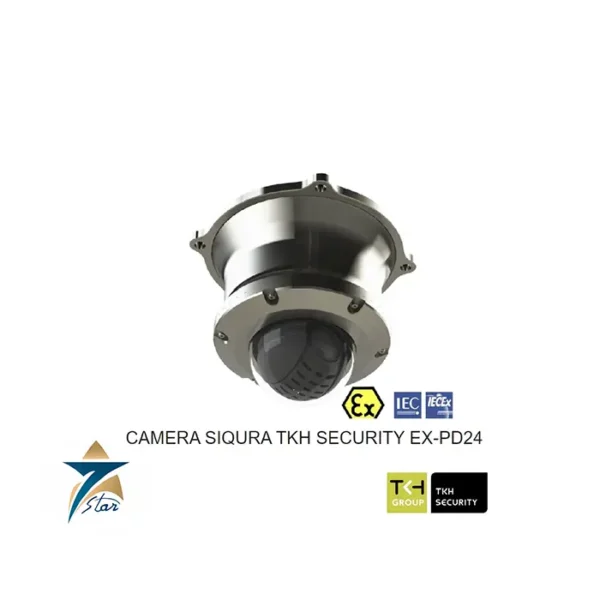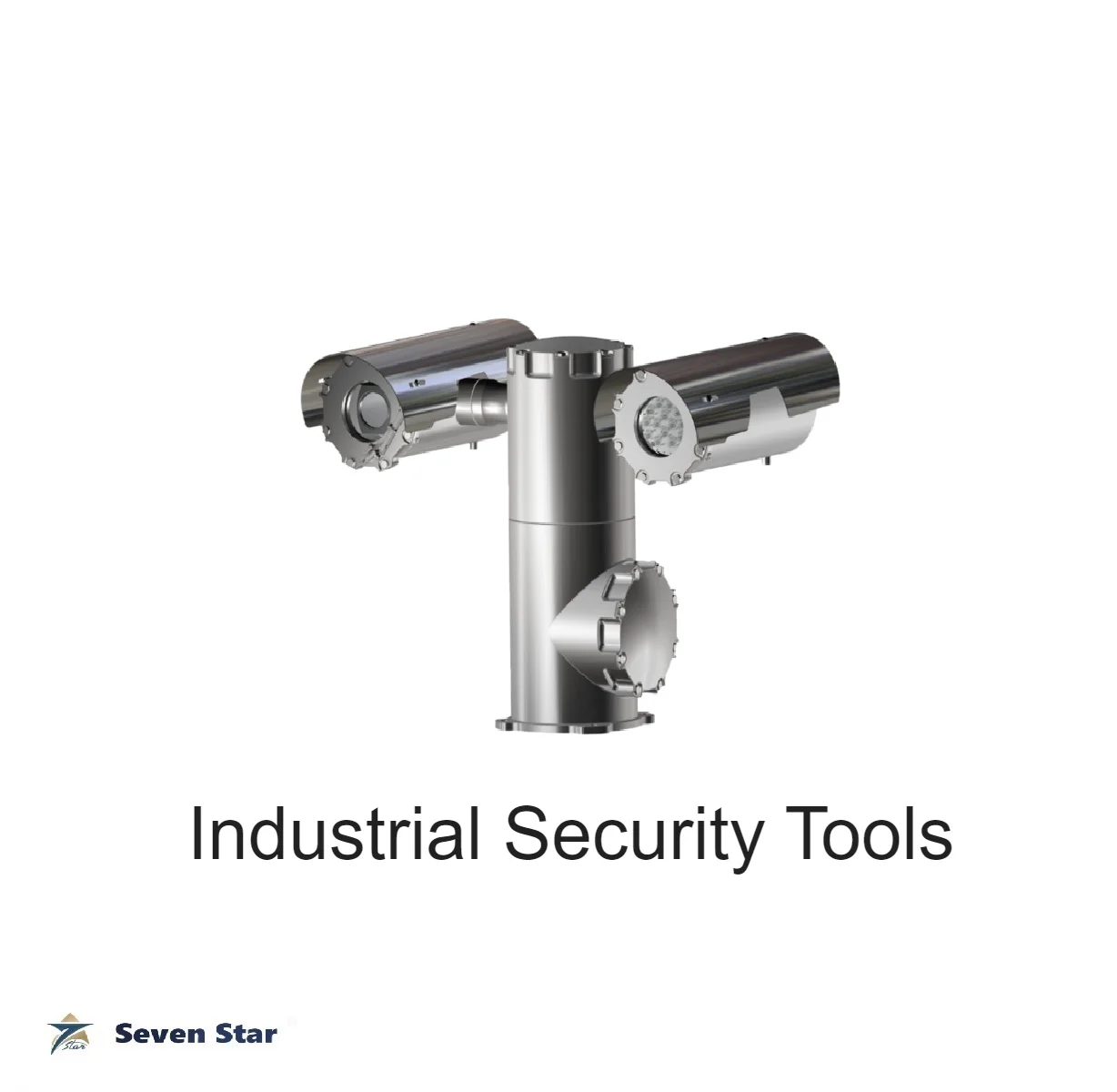
Security Tools

Industrial security tools for protecting automation assets—secure access, network segmentation, and policy enforcement. Designed to reduce risk and support compliance without disrupting control-system performance.

Frequently Asked Questions

What architectural principles govern the integration of physical security tools with industrial control system (ICS) networks?
Integrating physical security tools requires strict network segmentation utilizing industrial firewalls and unidirectional gateways to ensure that the physical security network is entirely isolated from the critical ICS process control network. This defense-in-depth architecture prevents a compromise in the IP camera or access control systems from providing a lateral attack vector into the sensitive automated manufacturing or utility control systems.
How do advanced video analytics enhance perimeter intrusion detection systems (PIDS) in critical infrastructure facilities?
Advanced video analytics deploy deep learning algorithms to continuously analyze high-definition and thermal camera feeds, distinguishing genuine human or vehicular intrusions from nuisance alarms caused by wildlife, weather, or moving foliage. This intelligent filtering drastically reduces false positive rates, enabling security personnel to maintain a high level of situational awareness and respond rapidly to verified, critical threats.
What are the engineering criteria for deploying robust biometric access control systems in harsh industrial environments?
Biometric scanners deployed in industrial settings must feature ruggedized, IP65-rated or higher enclosures to protect sensitive optical or capacitive sensors from pervasive dust, moisture, and extreme temperature fluctuations. Furthermore, the system must utilize advanced liveness detection and multi-factor authentication protocols to ensure high accuracy and prevent spoofing attempts, even when workers are wearing protective equipment.
How do security information and event management (SIEM) tools correlate anomalies across distributed industrial security platforms?
SIEM platforms ingest, normalize, and analyze immense volumes of log data generated by firewalls, access control panels, intrusion detection sensors, and endpoint protection agents across the enterprise. By applying sophisticated correlation rules and behavioral analytics, the SIEM can identify complex, multi-stage cyber-physical attacks that would remain undetected if analyzing individual security tool alerts in isolation.
What redundancy measures are critical for ensuring the continuous availability of enterprise-level physical security management systems?
High availability necessitates deploying the central security management software on high-availability server clusters with automated failover capabilities and continuous database replication to an offsite disaster recovery location. Additionally, edge security devices, such as card readers and controllers, must possess sufficient local memory to cache credentials and log events autonomously during temporary network disconnections from the central server.